

374
KJELL JOHANSEN
Gills
Tissues
L Heort I
n
Gills
Heort
Gi
ues
ues
I!%
- II
.
c
; Heart I
L _._.__. 2
1 Oxygen rich
- Oxygen pool
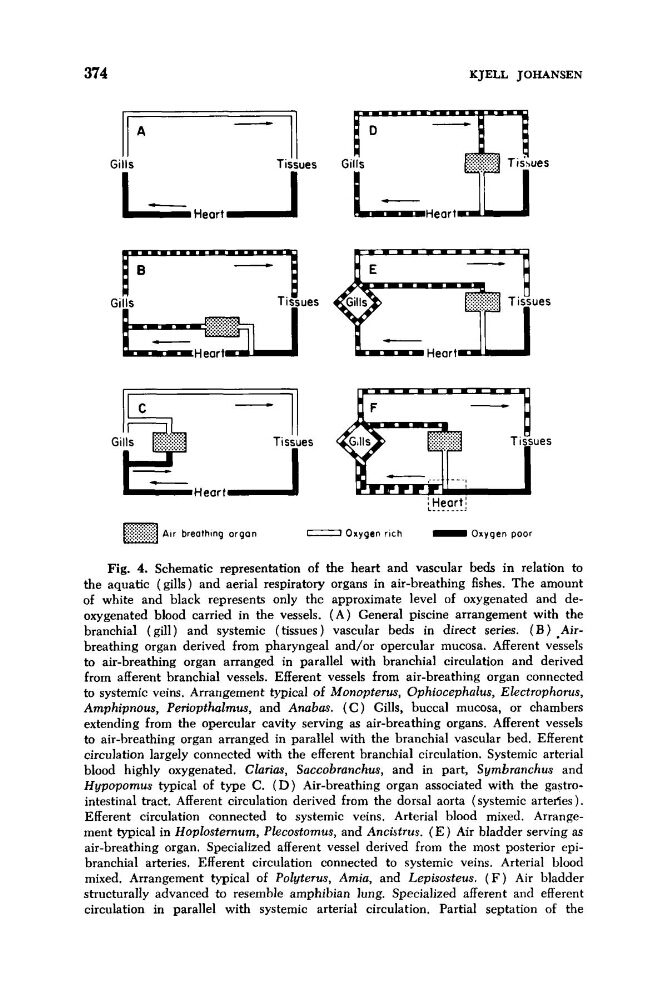
Fig. 4. Schematic representation of the heart and vascular beds in relation to
the aquatic (gills) and aerial respiratory organs in air-breathing fishes. The amount
of white and black represents only the approximate level of oxygenated and deoxygenated blood carried in the vessels. ( A ) General piscine arrangement with the
branchial ( gill) and systemic (tissues) vascular beds in direct series. ( B ) *Airbreathing organ derived from pharyngeal and/or opercular mucosa. Afferent vessels
to air-breathing organ arranged in parallel with branchial circulation and derived
from afferent branchial vessels. Efferent vessels from air-breathing organ connected
to systemic veins. Arrangement typical of Monopterus, Ophiocephalus, Electrophorus,
Amphipnous, Periopthalmus, and Anabas. ( C ) Gills, buccal mucosa, or chambers
extending from the opercular cavity serving as air-breathing organs. Afferent vessels
to air-breathing organ arranged in parallel with the branchial vascular bed. Efferent
circulation largely connected with the efferent branchial circulation. Systemic arterial
blood highly oxygenated. Clarias, Saccobranchus, and in part, Symbranchus and
Hypopornus typical of type C. ( D ) Air-breathing organ associated with the gastrointestinal tract. Afferent circulation derived from the dorsal aorta (systemic artedes ).
Efferent circulation connected to systemic veins. Arterial blood mixed. Arrangement typical in Hoplosternum, Pkcostomus, and Ancistrus. ( E ) Air bladder serving as
air-breathing organ. Specialized afferent vessel derived from the most posterior epibranchial arteries. Efferent circulation connected to systemic veins. Arterial blood
mixed. Arrangement typical of Polyterus, Amia, and Lepisosteus. ( F ) Air bladder
structurally advanced to resemble amphibian lung. Specialized afferent and efferent
circulation in parallel with systemic arterial circulation. Partial septation of the
KJELL JOHANSEN
Gills
Tissues
L Heort I
n
Gills
Heort
Gi
ues
ues
I!%
- II
.
c
; Heart I
L _._.__. 2
1 Oxygen rich
- Oxygen pool
Fig. 4. Schematic representation of the heart and vascular beds in relation to
the aquatic (gills) and aerial respiratory organs in air-breathing fishes. The amount
of white and black represents only the approximate level of oxygenated and deoxygenated blood carried in the vessels. ( A ) General piscine arrangement with the
branchial ( gill) and systemic (tissues) vascular beds in direct series. ( B ) *Airbreathing organ derived from pharyngeal and/or opercular mucosa. Afferent vessels
to air-breathing organ arranged in parallel with branchial circulation and derived
from afferent branchial vessels. Efferent vessels from air-breathing organ connected
to systemic veins. Arrangement typical of Monopterus, Ophiocephalus, Electrophorus,
Amphipnous, Periopthalmus, and Anabas. ( C ) Gills, buccal mucosa, or chambers
extending from the opercular cavity serving as air-breathing organs. Afferent vessels
to air-breathing organ arranged in parallel with the branchial vascular bed. Efferent
circulation largely connected with the efferent branchial circulation. Systemic arterial
blood highly oxygenated. Clarias, Saccobranchus, and in part, Symbranchus and
Hypopornus typical of type C. ( D ) Air-breathing organ associated with the gastrointestinal tract. Afferent circulation derived from the dorsal aorta (systemic artedes ).
Efferent circulation connected to systemic veins. Arterial blood mixed. Arrangement typical in Hoplosternum, Pkcostomus, and Ancistrus. ( E ) Air bladder serving as
air-breathing organ. Specialized afferent vessel derived from the most posterior epibranchial arteries. Efferent circulation connected to systemic veins. Arterial blood
mixed. Arrangement typical of Polyterus, Amia, and Lepisosteus. ( F ) Air bladder
structurally advanced to resemble amphibian lung. Specialized afferent and efferent
circulation in parallel with systemic arterial circulation. Partial septation of the