

9. AIR BREATHING IN FISHES
373
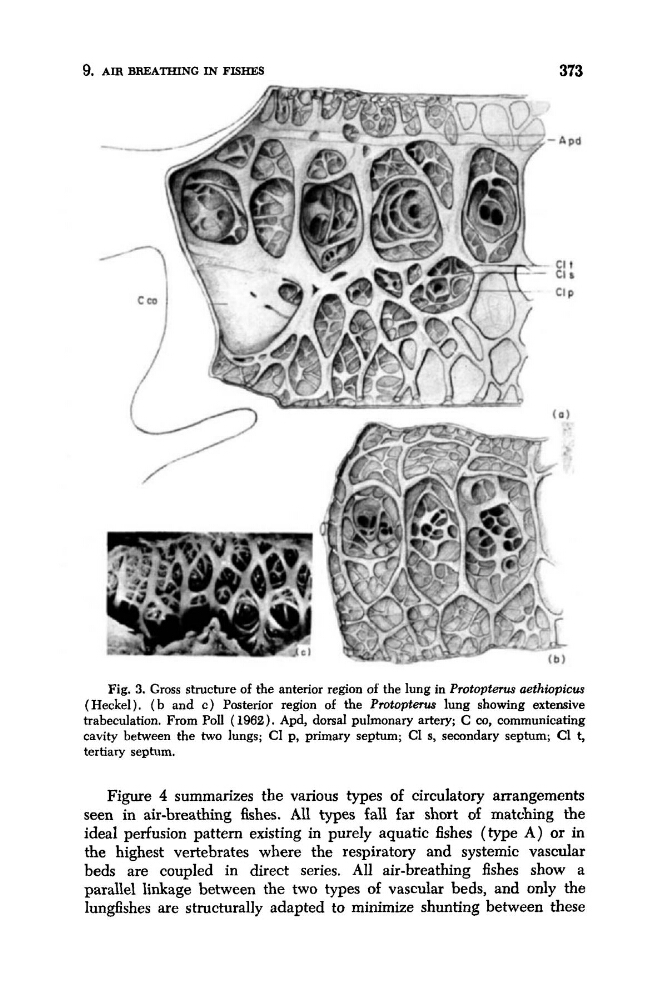
Fig. 3. Gross structure of the anterior region of the lung in Protoptaus aethiopicus
(Heckel). ( b and c ) Posterior region of the Protoptaus lung showing extensive
trabeculation. From Poll ( 1962). Apd, dorsal pulmonary artery; C co, communicating
cavity between the two lungs; C1 p, primary septum; C1 s, secondary septum; C1 t,
tertiary septum.
Figure 4 summarizes the various types of circulatory arrangements
seen in air-breathing fishes. All types fall far short of matching the
ideal perfusion pattern existing in purely aquatic fishes (type A ) or in
the highest vertebrates where the respiratory and systemic vascular
beds are coupled in direct series. All air-breathing fishes show a
parallel linkage between the two types of vascular beds, and only the
lungfishes are structurally adapted to minimize shunting between these
373
Fig. 3. Gross structure of the anterior region of the lung in Protoptaus aethiopicus
(Heckel). ( b and c ) Posterior region of the Protoptaus lung showing extensive
trabeculation. From Poll ( 1962). Apd, dorsal pulmonary artery; C co, communicating
cavity between the two lungs; C1 p, primary septum; C1 s, secondary septum; C1 t,
tertiary septum.
Figure 4 summarizes the various types of circulatory arrangements
seen in air-breathing fishes. All types fall far short of matching the
ideal perfusion pattern existing in purely aquatic fishes (type A ) or in
the highest vertebrates where the respiratory and systemic vascular
beds are coupled in direct series. All air-breathing fishes show a
parallel linkage between the two types of vascular beds, and only the
lungfishes are structurally adapted to minimize shunting between these