

THE BIOLOQY OF WOOD-BORINQ TEREDINID MOLLUSCS
349
FIU. 2. An underwater photograph of the displayed siphons of Teredo megotava
(= Psiloteredo megotara).
shell valves gape widely both in front and behind for the projection of
the foot and the extension of the body respectively. The edges of the
shell are not brought together because of the modified contact on the
dorsal and ventral articulations.
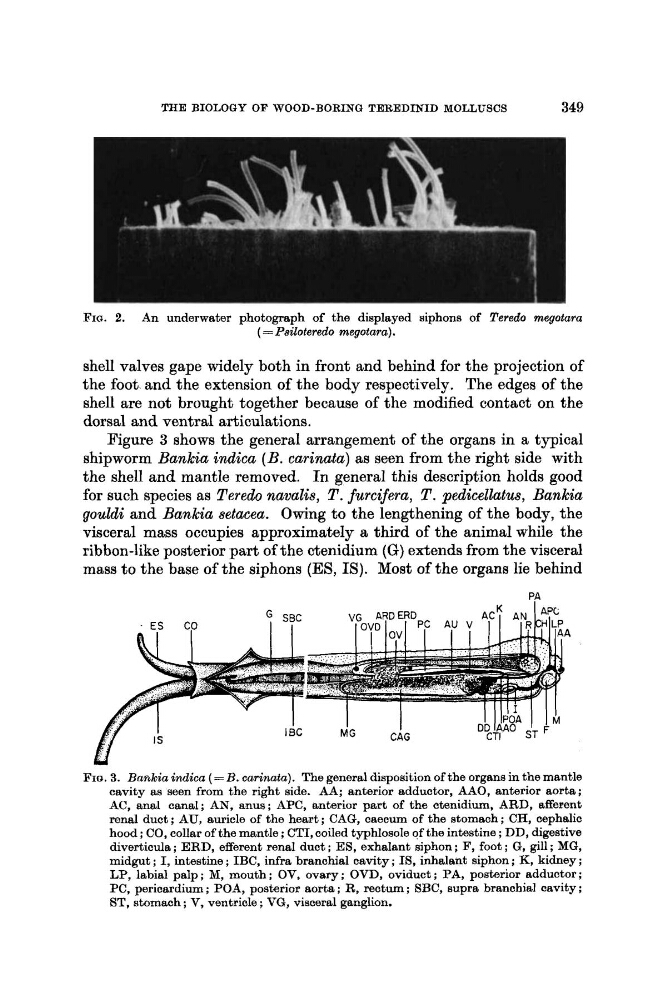
Figure 3 shows the general arrangement of the organs in a typical
shipworm Bankia indica ( B . carinata) as seen from the right side with
the shell and mantle removed. In general this description holds good
for such species as Teredo navalis, T . furcifera, T . pedicellatus, Bankia
gouldi and Bankia setacea. Owing to the lengthening of the body, the
visceral mass occupies approximately a third of the animal while the
ribbon-like posterior part of the ctenidium (G) extends from the visceral
mass to the base of the siphons (ES, IS). Most of the organs lie behind
PA
Fro. 3. Bankia indica (=B. carinata). The general disposition of the organs in the mantle
cavity as seen from the right side. AA; anterior adductor, AAO, anterior aorta;
AC, anal canal; AN, anus; APC, anterior part of the ctenidium, ARD, afferent
renal duct ; AU, auricle of the heart ; CAC, caecum of the stomach ; CH, cephalic
hood ; CO, collar of the mantle ; CTI, coiled typhlosole of the intestine ; DD, digestive
diverticula; ERD, efferent renal duct ; ES, exhalant siphon; F, foot ; G, gill; MG,
midgut; I, intestine; IBC, infra branchial cavity; IS, inhalant siphon; K, kidney;
LP, labial palp ; M, mouth ; OV, ovary ; OVD, oviduct ; PA, posterior adductor;
PC, pericardium; POA, posterior aorta; R, rectum; SBC, supra branchial cavity;
ST, stomach; V, ventricle; VG, visceral ganglion.
349
FIU. 2. An underwater photograph of the displayed siphons of Teredo megotava
(= Psiloteredo megotara).
shell valves gape widely both in front and behind for the projection of
the foot and the extension of the body respectively. The edges of the
shell are not brought together because of the modified contact on the
dorsal and ventral articulations.
Figure 3 shows the general arrangement of the organs in a typical
shipworm Bankia indica ( B . carinata) as seen from the right side with
the shell and mantle removed. In general this description holds good
for such species as Teredo navalis, T . furcifera, T . pedicellatus, Bankia
gouldi and Bankia setacea. Owing to the lengthening of the body, the
visceral mass occupies approximately a third of the animal while the
ribbon-like posterior part of the ctenidium (G) extends from the visceral
mass to the base of the siphons (ES, IS). Most of the organs lie behind
PA
Fro. 3. Bankia indica (=B. carinata). The general disposition of the organs in the mantle
cavity as seen from the right side. AA; anterior adductor, AAO, anterior aorta;
AC, anal canal; AN, anus; APC, anterior part of the ctenidium, ARD, afferent
renal duct ; AU, auricle of the heart ; CAC, caecum of the stomach ; CH, cephalic
hood ; CO, collar of the mantle ; CTI, coiled typhlosole of the intestine ; DD, digestive
diverticula; ERD, efferent renal duct ; ES, exhalant siphon; F, foot ; G, gill; MG,
midgut; I, intestine; IBC, infra branchial cavity; IS, inhalant siphon; K, kidney;
LP, labial palp ; M, mouth ; OV, ovary ; OVD, oviduct ; PA, posterior adductor;
PC, pericardium; POA, posterior aorta; R, rectum; SBC, supra branchial cavity;
ST, stomach; V, ventricle; VG, visceral ganglion.