

7. CHEMICAL COMPOSITION
219
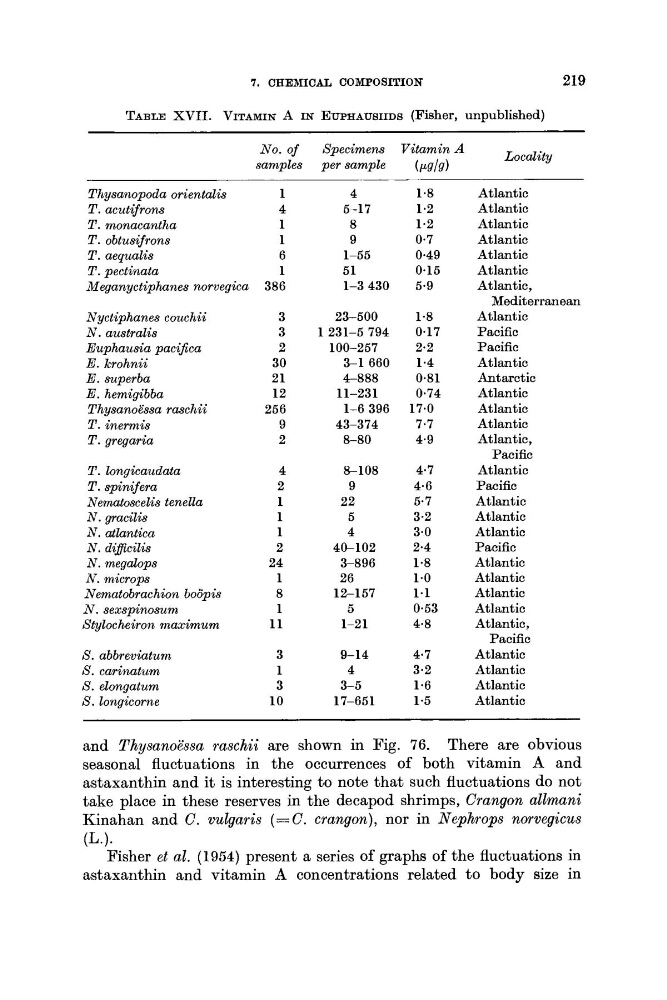
TABLE XVII. VITAMIN A IN EUPIIAUSIIDS (Fisher, unpublished)
Locality
No. of
Specimens Vitamin A
samples per sample
(pg/g)
Thysanopoda orientalis
T . acutifrons
T . monacantha
T . obtusifrons
T . aequalis
T . pectinata
Meganyctiphanes norvegica
Nyctiphanes couchii
N . australis
Euphausia pacifica
E. krohnii
E . superba
E . hemigibba
Thysanoessa raschii
T . inermis
T . gregaria
T . longicaudata
T . spinifera
Nematoscelis tenella
N. gracilis
N . atlantica
N. dificilis
N. megalops
N . microps
Nematobrachion boopis
N . sexspinosum
Stylocheiron maximum
S. abbreviatum
S. carinatum
S. elongatum
S. longicorne
1
4
1
1
6
1
386
3
3
2
30
21
12
256
9
2
4
2
1
1
1
2
24
1
8
1
11
3
1
3
10
4
5-17
8
9
1-55
51
1-3 430
23-500
1231-5 794
100-257
3-1 660
4-888
11-231
1-6 396
43-374
8-80
8-108
9
22
5
4
40-102
3-896
26
12-157
5
1-21
9-14
4
3-5
17-651
1.8
1.2
1.2
0.7
0.49
0-15
5.9
1.8
0.17
2.2
1.4
0.81
0.74
17.0
7.7
4.9
4.7
4.6
5.7
3-2
3.0
2.4
1.8
1.0
1.1
0.53
4.8
4.7
3.2
1.6
1-5
Atlantic
Atlantic
Atlantic
Atlantic
Atlantic
Atlantic
Atlantic,
Atlantic
Pacific
Pacific
Atlantic
Antarctic
Atlantic
Atlantic
Atlantic
Atlantic,
Pacific
Atlantic
Pacific
Atlantic
Atlantic
Atlantic
Pacific
Atlantic
Atlantic
Atlantic
Atlantic
Atlantic,
Pacific
Atlantic
Atlantic
Atlantic
Atlantic
Mediterranean
and ThysanoZssa raschii are shown in Fig. 76. There are obvious
seasonal fluctuations in the occurrences of both vitamin A and
astaxanthin and it is interesting to note that such fluctuations do not
take place in these reserves in the decapod shrimps, Crangon allmani
Kinahan and C. vulgaris (=C. crangon), nor in Nephrops norvegicus
Fisher et al. (1954) present a series of graphs of the fluctuations in
astaxanthin and vitamin A concentrations related to body size in
F.1.
219
TABLE XVII. VITAMIN A IN EUPIIAUSIIDS (Fisher, unpublished)
Locality
No. of
Specimens Vitamin A
samples per sample
(pg/g)
Thysanopoda orientalis
T . acutifrons
T . monacantha
T . obtusifrons
T . aequalis
T . pectinata
Meganyctiphanes norvegica
Nyctiphanes couchii
N . australis
Euphausia pacifica
E. krohnii
E . superba
E . hemigibba
Thysanoessa raschii
T . inermis
T . gregaria
T . longicaudata
T . spinifera
Nematoscelis tenella
N. gracilis
N . atlantica
N. dificilis
N. megalops
N . microps
Nematobrachion boopis
N . sexspinosum
Stylocheiron maximum
S. abbreviatum
S. carinatum
S. elongatum
S. longicorne
1
4
1
1
6
1
386
3
3
2
30
21
12
256
9
2
4
2
1
1
1
2
24
1
8
1
11
3
1
3
10
4
5-17
8
9
1-55
51
1-3 430
23-500
1231-5 794
100-257
3-1 660
4-888
11-231
1-6 396
43-374
8-80
8-108
9
22
5
4
40-102
3-896
26
12-157
5
1-21
9-14
4
3-5
17-651
1.8
1.2
1.2
0.7
0.49
0-15
5.9
1.8
0.17
2.2
1.4
0.81
0.74
17.0
7.7
4.9
4.7
4.6
5.7
3-2
3.0
2.4
1.8
1.0
1.1
0.53
4.8
4.7
3.2
1.6
1-5
Atlantic
Atlantic
Atlantic
Atlantic
Atlantic
Atlantic
Atlantic,
Atlantic
Pacific
Pacific
Atlantic
Antarctic
Atlantic
Atlantic
Atlantic
Atlantic,
Pacific
Atlantic
Pacific
Atlantic
Atlantic
Atlantic
Pacific
Atlantic
Atlantic
Atlantic
Atlantic
Atlantic,
Pacific
Atlantic
Atlantic
Atlantic
Atlantic
Mediterranean
and ThysanoZssa raschii are shown in Fig. 76. There are obvious
seasonal fluctuations in the occurrences of both vitamin A and
astaxanthin and it is interesting to note that such fluctuations do not
take place in these reserves in the decapod shrimps, Crangon allmani
Kinahan and C. vulgaris (=C. crangon), nor in Nephrops norvegicus
Fisher et al. (1954) present a series of graphs of the fluctuations in
astaxanthin and vitamin A concentrations related to body size in
F.1.