

FAUNA AND FLORA OF MANGROVE SWAMPS
111
R. npiculata and others of R. mucronata. Vu van Cuong (1964) reports
that R. apiculata is the most important and most abundant tree in the
mangals of Cambodia and Viet Nam.
I n Queensland and eastern Africa the soil in the rhizophora forests
is usually soft. It is aerated by the activities of alpheid prawns when
it is semi-fluid and by thalassiiiidean prawns such as species of Upogebia
when it is more solid.
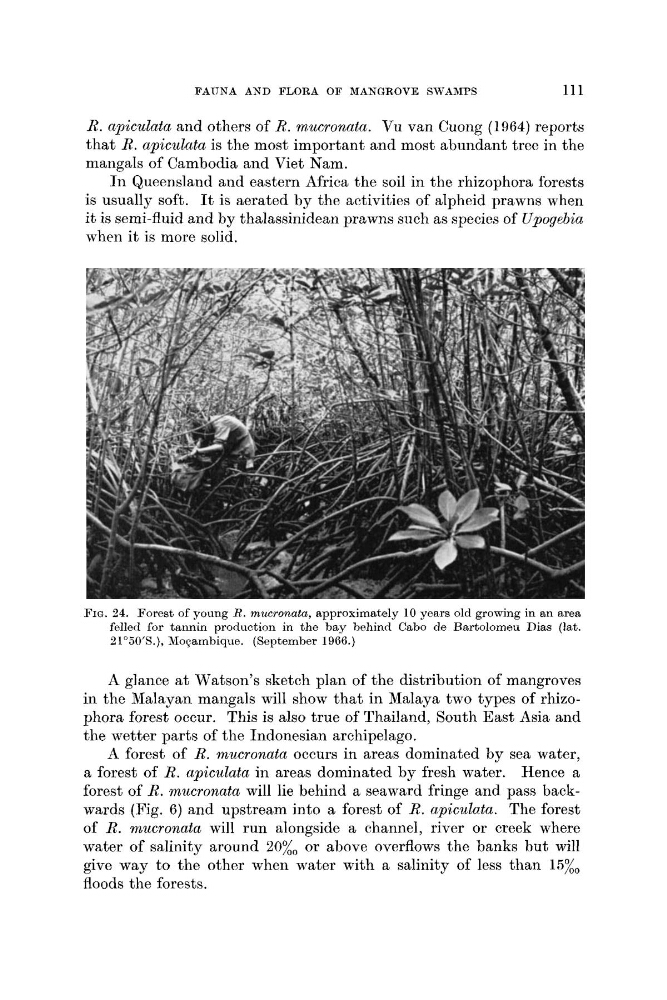
FIG. 24. Forest of young R. rnucronata, approximately 10 years old growing in an area
felled for tannin production in the bay behind Cabo de Bartolomeu Dias (lat.
21"50'S.), Mopmbique. (September 1966.)
A glance a t Watson's sketch plan of the distribution of mangroves
in the Malayan mangals will show that in Malaya two types of rhizophora forest occur. This is also true of Thailand, South East Asia and
the wetter parts of the Indonesian archipelago.
A forest of R. mucronata occurs in areas dominated by sea water,
a forest of R. apiculata in areas dominated by fresh water. Hence a
forest of R. nzucronata will lie behind a seaward fringe and pass backwards (Fig. 6) and upstream into a forest of R. apiculata. The forest
of R. mucronata will run alongside a channel, river or creek where
water of salinity around ZO%, or above overflows the banks but will
give way to the other when water with a salinity of less than 15%,
floods the forests.
111
R. npiculata and others of R. mucronata. Vu van Cuong (1964) reports
that R. apiculata is the most important and most abundant tree in the
mangals of Cambodia and Viet Nam.
I n Queensland and eastern Africa the soil in the rhizophora forests
is usually soft. It is aerated by the activities of alpheid prawns when
it is semi-fluid and by thalassiiiidean prawns such as species of Upogebia
when it is more solid.
FIG. 24. Forest of young R. rnucronata, approximately 10 years old growing in an area
felled for tannin production in the bay behind Cabo de Bartolomeu Dias (lat.
21"50'S.), Mopmbique. (September 1966.)
A glance a t Watson's sketch plan of the distribution of mangroves
in the Malayan mangals will show that in Malaya two types of rhizophora forest occur. This is also true of Thailand, South East Asia and
the wetter parts of the Indonesian archipelago.
A forest of R. mucronata occurs in areas dominated by sea water,
a forest of R. apiculata in areas dominated by fresh water. Hence a
forest of R. nzucronata will lie behind a seaward fringe and pass backwards (Fig. 6) and upstream into a forest of R. apiculata. The forest
of R. mucronata will run alongside a channel, river or creek where
water of salinity around ZO%, or above overflows the banks but will
give way to the other when water with a salinity of less than 15%,
floods the forests.