

FAUNA AND FLORA O F MANGROVE SWAMPS
99
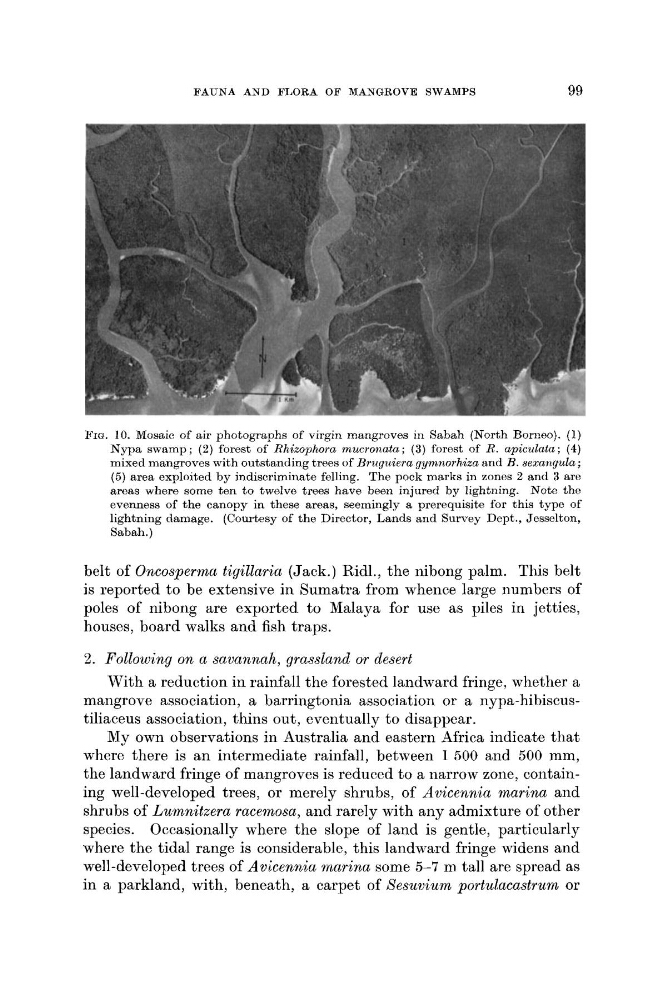
FIG. 10. Mosair of air photographs of virgin mangroves in Sabah (North Borneo). (1)
Nypa swamp; (2) forest of Rhizophora mucronata; (3) forest of R. apiculata; (4)
mixed mangroves with outstanding trees of Bruguiera gyrnnorhiza and B. sexangula ;
(5) area exploited by indiscriminate felling. The pock marks in zones 2 and 3 are
areas where some ten t o twelve trees have been injured by lightning. Note the
evenness of the canopy in these areas, seemingly a prerequisite for this type of
lightning damage. (Courtesy of the Director, Lands and Survey Dept., Jesselton,
Sabah.)
belt of Oncosperma tigillaria (Jack.) Ridl., the nibong palm. This belt
is reported to be extensive in Sumatra from whence large numbers of
poles of nibong are exported to Malaya for use as piles in jetties,
houses, board walks and fish traps.
2 . Following on a savannah, grassland or desert
With a reduction in rainfall the forested landward fringe, whether a
mangrove association, a barriiigtonia association or a nypa-hibiscustiliaceus association, thins out, eventually to disappear.
My own observations in Australia and eastern Africa indicate that
where there is an intermediate rainfall, between 1500 and 500 mm,
the landward fringe of mangroves is reduced to a narrow zone, containing well-developed trees, or merely shrubs, of Avicennia marina and
shrubs of Lurnnitxera racemosa, and rarely with any admixture of other
species. Occasionally where the slope of land is gentle, particularly
where the tidal range is considerable, this landward fringe widens and
well-developed trees of Awicennia marina some 5-7 m tall are spread as
in a parkland, with, beneath, a carpet of Xesuvium portulacastrum or
99
FIG. 10. Mosair of air photographs of virgin mangroves in Sabah (North Borneo). (1)
Nypa swamp; (2) forest of Rhizophora mucronata; (3) forest of R. apiculata; (4)
mixed mangroves with outstanding trees of Bruguiera gyrnnorhiza and B. sexangula ;
(5) area exploited by indiscriminate felling. The pock marks in zones 2 and 3 are
areas where some ten t o twelve trees have been injured by lightning. Note the
evenness of the canopy in these areas, seemingly a prerequisite for this type of
lightning damage. (Courtesy of the Director, Lands and Survey Dept., Jesselton,
Sabah.)
belt of Oncosperma tigillaria (Jack.) Ridl., the nibong palm. This belt
is reported to be extensive in Sumatra from whence large numbers of
poles of nibong are exported to Malaya for use as piles in jetties,
houses, board walks and fish traps.
2 . Following on a savannah, grassland or desert
With a reduction in rainfall the forested landward fringe, whether a
mangrove association, a barriiigtonia association or a nypa-hibiscustiliaceus association, thins out, eventually to disappear.
My own observations in Australia and eastern Africa indicate that
where there is an intermediate rainfall, between 1500 and 500 mm,
the landward fringe of mangroves is reduced to a narrow zone, containing well-developed trees, or merely shrubs, of Avicennia marina and
shrubs of Lurnnitxera racemosa, and rarely with any admixture of other
species. Occasionally where the slope of land is gentle, particularly
where the tidal range is considerable, this landward fringe widens and
well-developed trees of Awicennia marina some 5-7 m tall are spread as
in a parkland, with, beneath, a carpet of Xesuvium portulacastrum or