

44
M. J. W E U S
VII. ECHINODERMS
Starfish and sea-urchins have no centralized grouping of sense
organs, and no obvious " brain.'' Movement can be in any direction
and although individuals commonly have a preferred radius, they can
readily be reversed and are apparently as well equipped to respond in
one direction as another. Starfish can right themselves if turned upside down and individuals achieve this end in a variety of ways that
may differ widely from trial to trial. The things echinoderms can most
30
0
0
u)
n
2 20
c
al
1
c
v) al
c
. E 10
r"
E
c 0
Starfish IV
L
4
i
5
1 0
15
20 25 30 35
1 0
20 30 40 50 60 70
40
30
20
10
Starfish V I
Trials starting with a
move in the wrong direction
-
5
1 0
15 20 25 30
1 0
20 30 40 50 60
Trials at 1-6 per day
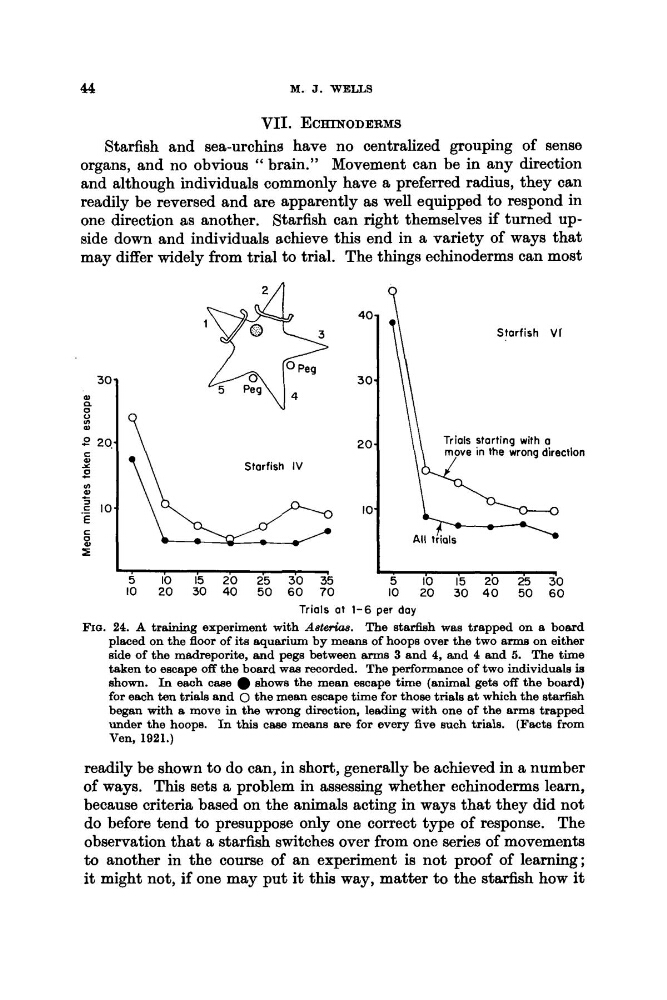
FIG. 24. A training experiment with A&&.
The stariish was trapped on a board
placed on the floor of its aquarium by means of hoops over the two arms on either
side of the madreporite, and pegs between arms 3 and 4, and 4 and 5. The time
taken to escape off the board was recorded. The performance of two individuals iS
shown. In eech case
shows the mean escape time (animal gets off the board)
for each ten trials and 0 the mean escape time for those trials at which the stafish
began with a move in the wrong direction, leading with one of the arms trapped
under the hoops. In this caw means are for every five such trials. (Facts from
Ven, 1921.)
readily be shown to do can, in short, generally be achieved in a number
of ways. This sets a problem in assessing whether echinoderms learn,
because criteria based on the animals acting in ways that they did not
do before tend to presuppose only one correct type of response. The
observation that a starfish switches over from one series of movements
to another in the course of an experiment is not proof of learning;
it might not, if one may put it this way, matter to the starfish how it
M. J. W E U S
VII. ECHINODERMS
Starfish and sea-urchins have no centralized grouping of sense
organs, and no obvious " brain.'' Movement can be in any direction
and although individuals commonly have a preferred radius, they can
readily be reversed and are apparently as well equipped to respond in
one direction as another. Starfish can right themselves if turned upside down and individuals achieve this end in a variety of ways that
may differ widely from trial to trial. The things echinoderms can most
30
0
0
u)
n
2 20
c
al
1
c
v) al
c
. E 10
r"
E
c 0
Starfish IV
L
4
i
5
1 0
15
20 25 30 35
1 0
20 30 40 50 60 70
40
30
20
10
Starfish V I
Trials starting with a
move in the wrong direction
-
5
1 0
15 20 25 30
1 0
20 30 40 50 60
Trials at 1-6 per day
FIG. 24. A training experiment with A&&.
The stariish was trapped on a board
placed on the floor of its aquarium by means of hoops over the two arms on either
side of the madreporite, and pegs between arms 3 and 4, and 4 and 5. The time
taken to escape off the board was recorded. The performance of two individuals iS
shown. In eech case
shows the mean escape time (animal gets off the board)
for each ten trials and 0 the mean escape time for those trials at which the stafish
began with a move in the wrong direction, leading with one of the arms trapped
under the hoops. In this caw means are for every five such trials. (Facts from
Ven, 1921.)
readily be shown to do can, in short, generally be achieved in a number
of ways. This sets a problem in assessing whether echinoderms learn,
because criteria based on the animals acting in ways that they did not
do before tend to presuppose only one correct type of response. The
observation that a starfish switches over from one series of movements
to another in the course of an experiment is not proof of learning;
it might not, if one may put it this way, matter to the starfish how it