

176
N. A . IIOLME
In spits of the limitations, both qualitative and quantitative, of
these dredgings, there can I)r little doubt that the Victorian naturalists,
with their small craft, hempen ropes and limited resources, were more
sensitive to tho working of the dredge on the bottom than we are
today. In particular, we probably tend to dredge too fast, ample
reserves of etrength in the steel towing cable being available should
the dredge foul an obstruction. To quote Thomson again (1873,
p. 245) : “ The boat should move very slowly, probably not faster than
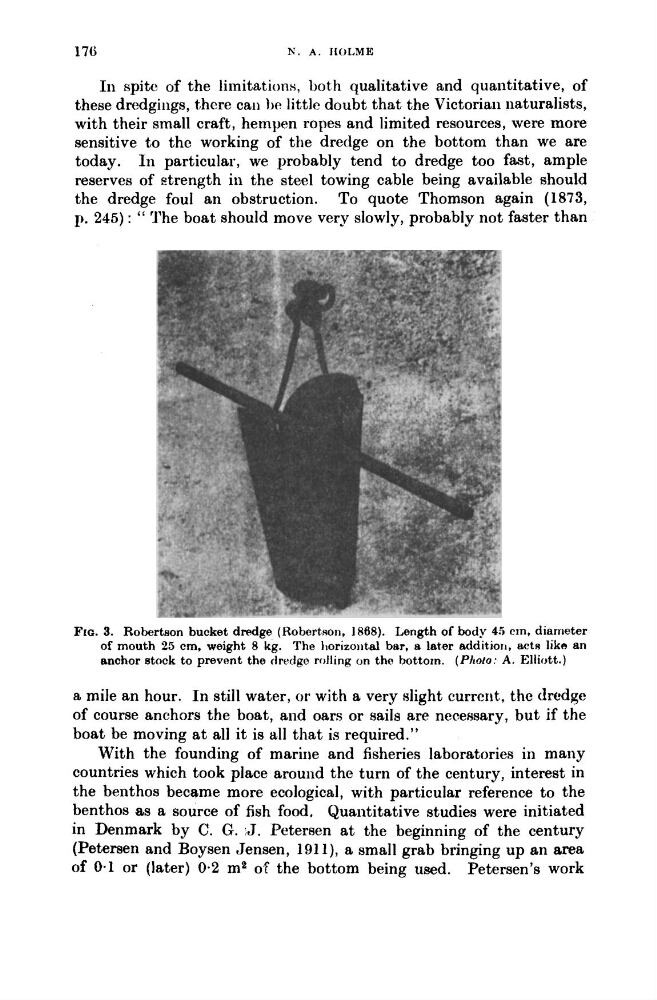
FIG. 3. Robertson bucket dredge (Robertnon, 1868). Length of body 45 cm, diameter
of mouth 25 cm, weight 8 kg. The horizontal bar, a later additioii, CtCtu like an
anchor stock to prevent the tlretlgc rolling on the bottom. (Phofo: A. Elliott.)
a mile an hour. I n still water, or with a very slight currcnt, thc dredge
of course anchors the boat, and oars or sails are necessary, but if the
boat be moving a t all it is all that is required.”
With the founding of marine and fisheries laboratories in many
countries which took place around the turn of the century, interest in
the benthos becltme more ecological, with particular reference to the
benthos as a source of fish food. Quantitative studies were initiated
in Denmark by C. G . J. Petersen a t the beginning of the century
(Petersen and Boysen Jensen, 1911), a small grab bringing up an area
of 0.1 or (later) 0-2 m2 of the bottom being used. Petersen’s work
N. A . IIOLME
In spits of the limitations, both qualitative and quantitative, of
these dredgings, there can I)r little doubt that the Victorian naturalists,
with their small craft, hempen ropes and limited resources, were more
sensitive to tho working of the dredge on the bottom than we are
today. In particular, we probably tend to dredge too fast, ample
reserves of etrength in the steel towing cable being available should
the dredge foul an obstruction. To quote Thomson again (1873,
p. 245) : “ The boat should move very slowly, probably not faster than
FIG. 3. Robertson bucket dredge (Robertnon, 1868). Length of body 45 cm, diameter
of mouth 25 cm, weight 8 kg. The horizontal bar, a later additioii, CtCtu like an
anchor stock to prevent the tlretlgc rolling on the bottom. (Phofo: A. Elliott.)
a mile an hour. I n still water, or with a very slight currcnt, thc dredge
of course anchors the boat, and oars or sails are necessary, but if the
boat be moving a t all it is all that is required.”
With the founding of marine and fisheries laboratories in many
countries which took place around the turn of the century, interest in
the benthos becltme more ecological, with particular reference to the
benthos as a source of fish food. Quantitative studies were initiated
in Denmark by C. G . J. Petersen a t the beginning of the century
(Petersen and Boysen Jensen, 1911), a small grab bringing up an area
of 0.1 or (later) 0-2 m2 of the bottom being used. Petersen’s work