

344
C . M. YONUE
demonstrated that the much greater calcification in sunlight is duc to
the presence of zooxanthellao, the stimulatory effect of light on calcification disappearing in their absence. There was, moreover, greater
calcification in darkness if zooxanthellae were present than there was
in light if they were absent. This indicates that even when not photosynthesising, zooxanthellae may assist calcification by some general
effect on metabolism. This could be by provision of some " growth
factor " as already suggested by Goreau. But the effect of light on
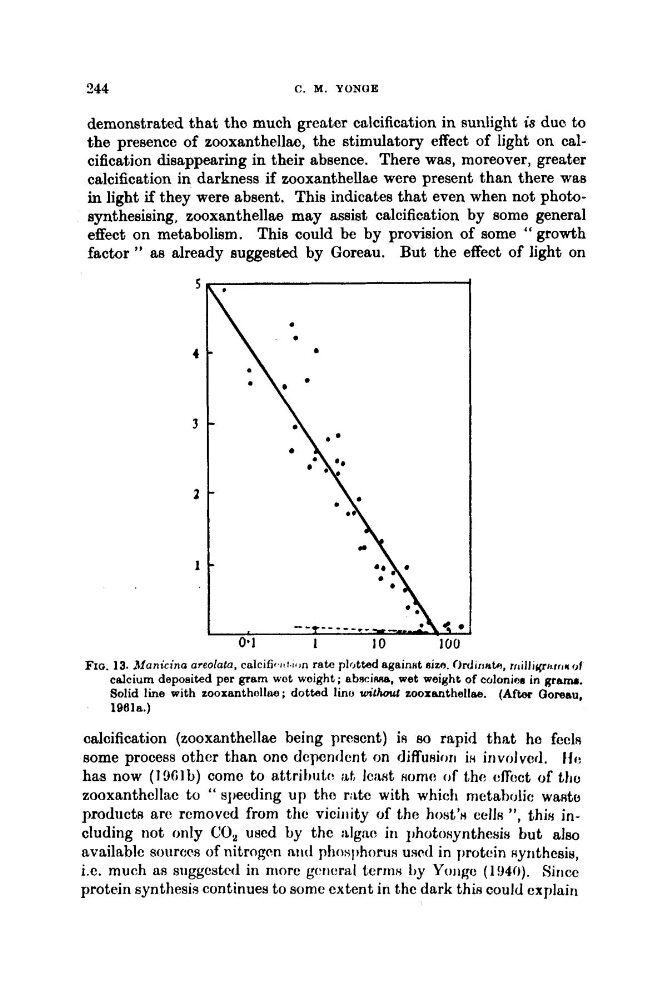
FIG. 13. Manicino areolalo, colcific 1 1 1 ion rato plotted againnt aim. Or~Jiwik, rrrilliyrrrrrtr of
calcium deposited per gram wet weight; abscinntr, wet weight of colonias in gram.
Solid line with zooxanthollua ; dotted linu without zooxsnthellae. (After Ooreau,
19618.)
calcification (zooxanthellae being present) i
R so rapid that he feel8
some process othcr than ono dcpendcnt on diffuaiorr i~ involved. f f f ?
has now (19Olb) come to sttrihutc* at h s t soma of thc cffcct of tho
zooxanthellae to " specding u p t h o r:& with which metabolic waHtu
prodiict8 arc removcd from the viciiiity of the host'ti celh ", this including not only CO, used by tho :dgao in Ijhotosynthcsis but also
available sourccs of nitrogen arid phosphorus used in protein Hyrithesis,
i.e. much as suggcstctl in niorc gcricrd t e r m by Yoligc (1!14O). Sirice
protein synthesis continues to some extent in tho dark this could explain
C . M. YONUE
demonstrated that the much greater calcification in sunlight is duc to
the presence of zooxanthellao, the stimulatory effect of light on calcification disappearing in their absence. There was, moreover, greater
calcification in darkness if zooxanthellae were present than there was
in light if they were absent. This indicates that even when not photosynthesising, zooxanthellae may assist calcification by some general
effect on metabolism. This could be by provision of some " growth
factor " as already suggested by Goreau. But the effect of light on
FIG. 13. Manicino areolalo, colcific 1 1 1 ion rato plotted againnt aim. Or~Jiwik, rrrilliyrrrrrtr of
calcium deposited per gram wet weight; abscinntr, wet weight of colonias in gram.
Solid line with zooxanthollua ; dotted linu without zooxsnthellae. (After Ooreau,
19618.)
calcification (zooxanthellae being present) i
R so rapid that he feel8
some process othcr than ono dcpendcnt on diffuaiorr i~ involved. f f f ?
has now (19Olb) come to sttrihutc* at h s t soma of thc cffcct of tho
zooxanthellae to " specding u p t h o r:& with which metabolic waHtu
prodiict8 arc removcd from the viciiiity of the host'ti celh ", this including not only CO, used by tho :dgao in Ijhotosynthcsis but also
available sourccs of nitrogen arid phosphorus used in protein Hyrithesis,
i.e. much as suggcstctl in niorc gcricrd t e r m by Yoligc (1!14O). Sirice
protein synthesis continues to some extent in tho dark this could explain