

BLASTOGENESIS AND MORPHOGENESIS
171
A. Morphallaxis
The organogenic action of the somatic cells, which have become blastogenic by dedifferentiation or by the intervention of their respective
replacement cells, is thus necessarily associated with the former tissues
contained in the bud. These former tissues then undergo a more or less
drastic remodeling to be united with embryonic elements. Morgan (1901)
has called this "morphallaxis."
This is what happens in scissiparity when the former organs of the
parent must be adjusted to the regenerated and newly formed organs.
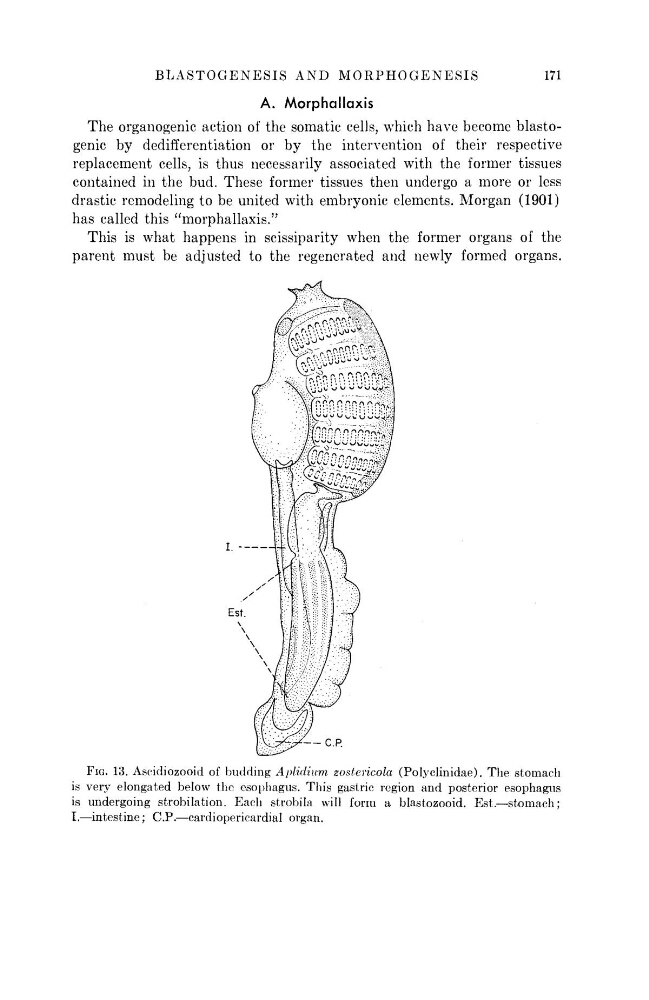
FIG. 13. Ascidiozooid of budding Aplidium zostericola (Polyclinidae). The stomach
is very elongated below the esophagus. This gastric region and posterior esophagus
is undergoing strobilation. Each strobila will form a blastozooid. Est.—stomach;
I.—intestine; C.P.—cardiopericardial organ.
I. -Est.
\
171
A. Morphallaxis
The organogenic action of the somatic cells, which have become blastogenic by dedifferentiation or by the intervention of their respective
replacement cells, is thus necessarily associated with the former tissues
contained in the bud. These former tissues then undergo a more or less
drastic remodeling to be united with embryonic elements. Morgan (1901)
has called this "morphallaxis."
This is what happens in scissiparity when the former organs of the
parent must be adjusted to the regenerated and newly formed organs.
FIG. 13. Ascidiozooid of budding Aplidium zostericola (Polyclinidae). The stomach
is very elongated below the esophagus. This gastric region and posterior esophagus
is undergoing strobilation. Each strobila will form a blastozooid. Est.—stomach;
I.—intestine; C.P.—cardiopericardial organ.
I. -Est.
\