

ULTRASTRUCTURE OF DEVELOPING AMPHIBIAN EGG 153
oocytes from Rana cfamitans. He believes that this dense material is of
nucleolar origin and that it has passed through the nuclear envelope via
its discontinuities. Balinsky and Devis (1963), in somewhat older oocytes,
found the granular material between the mitochondria that lie near the
nuclear envelope. They suggest that this material may serve to bind the
A
C
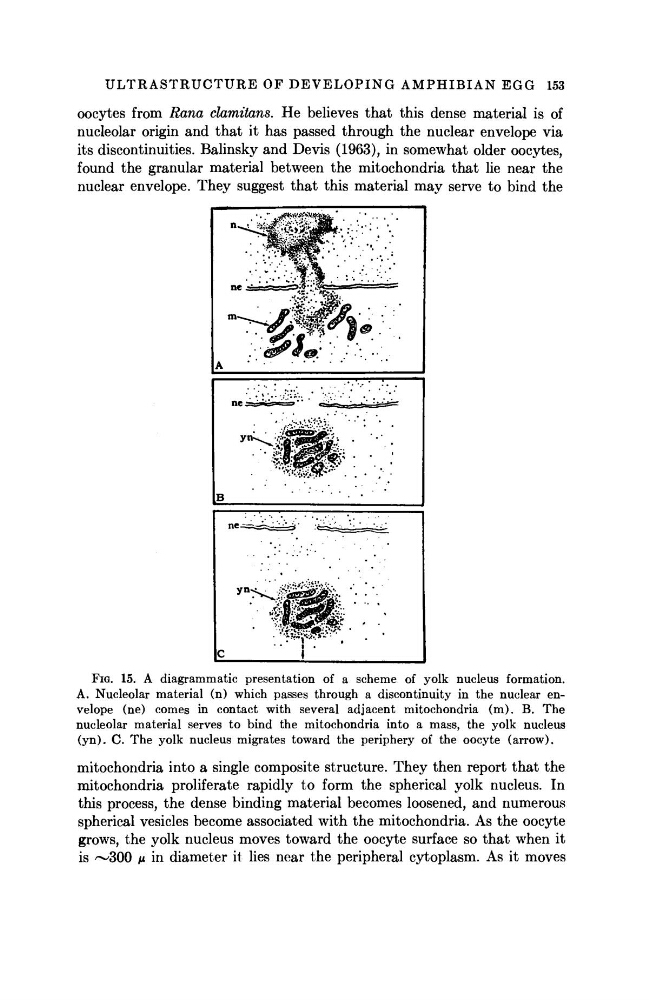
FIG. 15. A diagrammatic presentation of a scheme of yolk nucleus formation.
A. Nucleolar material (n) which passes through a discontinuity in the nuclear envelope (ne) comes in contact with several adjacent mitochondria (m). B. The
nucleolar material serves to bind the mitochondria into a mass, the yolk nucleus
(yn). C. The yolk nucleus migrates toward the periphery of the oocyte (arrow).
mitochondria into a single composite structure. They then report that the
mitochondria proliferate rapidly to form the spherical yolk nucleus. In
this process, the dense binding material becomes loosened, and numerous
spherical vesicles become associated with the mitochondria. As the oocyte
grows, the yolk nucleus moves toward the oocyte surface so that when it
is ^300 μ in diameter it lies near the peripheral cytoplasm. As it moves
oocytes from Rana cfamitans. He believes that this dense material is of
nucleolar origin and that it has passed through the nuclear envelope via
its discontinuities. Balinsky and Devis (1963), in somewhat older oocytes,
found the granular material between the mitochondria that lie near the
nuclear envelope. They suggest that this material may serve to bind the
A
C
FIG. 15. A diagrammatic presentation of a scheme of yolk nucleus formation.
A. Nucleolar material (n) which passes through a discontinuity in the nuclear envelope (ne) comes in contact with several adjacent mitochondria (m). B. The
nucleolar material serves to bind the mitochondria into a mass, the yolk nucleus
(yn). C. The yolk nucleus migrates toward the periphery of the oocyte (arrow).
mitochondria into a single composite structure. They then report that the
mitochondria proliferate rapidly to form the spherical yolk nucleus. In
this process, the dense binding material becomes loosened, and numerous
spherical vesicles become associated with the mitochondria. As the oocyte
grows, the yolk nucleus moves toward the oocyte surface so that when it
is ^300 μ in diameter it lies near the peripheral cytoplasm. As it moves