

AMPHIBIAN AND INVERTEBRATE DEVELOPMENT 93
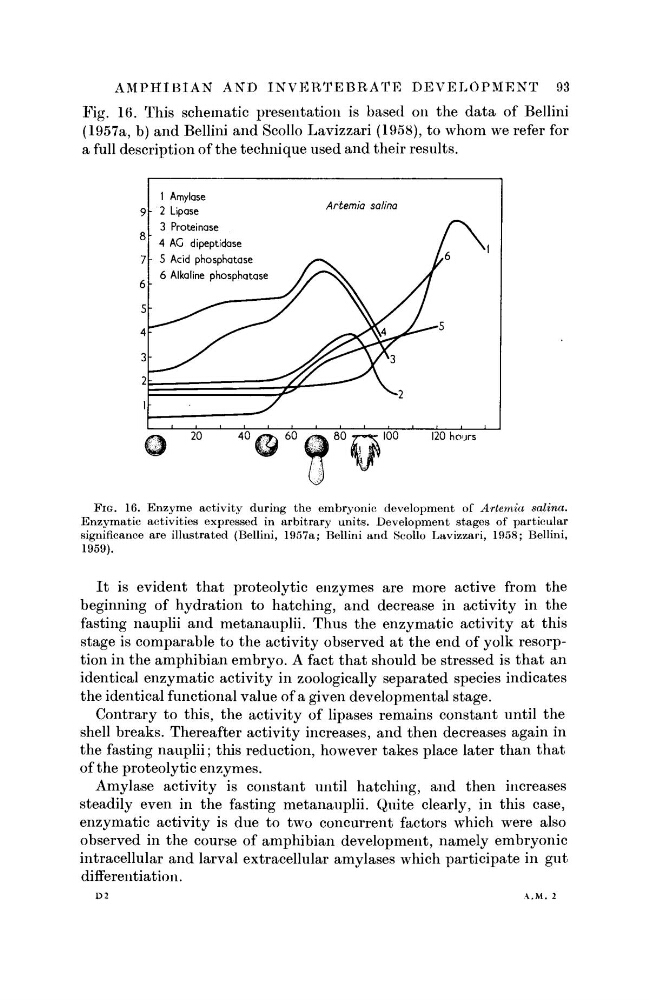
Fig. 16. This schematic presentation is based on the data of Bellini
(1957a, b) and Bellini and Scollo Lavizzari (1958), to whom we refer for
a full description of the technique used and their results.
FIG. 16. Enzyme activity during the embryonic development of Artemia salina.
Enzymatic activities expressed in arbitrary units. Development stages of particular
significance are illustrated (Bellini, 1957a; Bellini and Scollo Lavizzari, 1958; Bellini,
1959).
I t is evident that proteolytic enzymes are more active from the
beginning of hydration to hatching, and decrease in activity in the
fasting nauplii and metanauplii. Thus the enzymatic activity at this
stage is comparable to the activity observed at the end of yolk resorption in the amphibian embryo. A fact that should be stressed is that an
identical enzymatic activity in zoologically separated species indicates
the identical functional value of a given developmental stage.
Contrary to this, the activity of lipases remains constant until the
shell breaks. Thereafter activity increases, and then decreases again in
the fasting nauplii; this reduction, however takes place later than that
of the proteolytic enzymes.
Amylase activity is constant until hatching, and then increases
steadily even in the fasting metanauplii. Quite clearly, in this case,
enzymatic activity is due to two concurrent factors which were also
observed in the course of amphibian development, namely embryonic
intracellular and larval extracellular amylases which participate in gut
differentiation.
Ό2
A.M. 2
Fig. 16. This schematic presentation is based on the data of Bellini
(1957a, b) and Bellini and Scollo Lavizzari (1958), to whom we refer for
a full description of the technique used and their results.
FIG. 16. Enzyme activity during the embryonic development of Artemia salina.
Enzymatic activities expressed in arbitrary units. Development stages of particular
significance are illustrated (Bellini, 1957a; Bellini and Scollo Lavizzari, 1958; Bellini,
1959).
I t is evident that proteolytic enzymes are more active from the
beginning of hydration to hatching, and decrease in activity in the
fasting nauplii and metanauplii. Thus the enzymatic activity at this
stage is comparable to the activity observed at the end of yolk resorption in the amphibian embryo. A fact that should be stressed is that an
identical enzymatic activity in zoologically separated species indicates
the identical functional value of a given developmental stage.
Contrary to this, the activity of lipases remains constant until the
shell breaks. Thereafter activity increases, and then decreases again in
the fasting nauplii; this reduction, however takes place later than that
of the proteolytic enzymes.
Amylase activity is constant until hatching, and then increases
steadily even in the fasting metanauplii. Quite clearly, in this case,
enzymatic activity is due to two concurrent factors which were also
observed in the course of amphibian development, namely embryonic
intracellular and larval extracellular amylases which participate in gut
differentiation.
Ό2
A.M. 2