

E X P E R I M E N T S ON EMBRYONIC AORTIC ARCHES 347
C. Simultaneous Suppression of Four or Five Aortic Arches
Stephan (1952) examined 6 embryos and reported on 4 of the 21
possible combinations shown in Table 1; another combination can be
diagnosed in his material. Rychter (1961a) used 136 embryos in covering
all possible combinations.
1. Four-clip Combinations
If one right and one left ventricular aortic arch were left to develop,
an arcus aortae was always found, i.e., a dissociation never occurred.
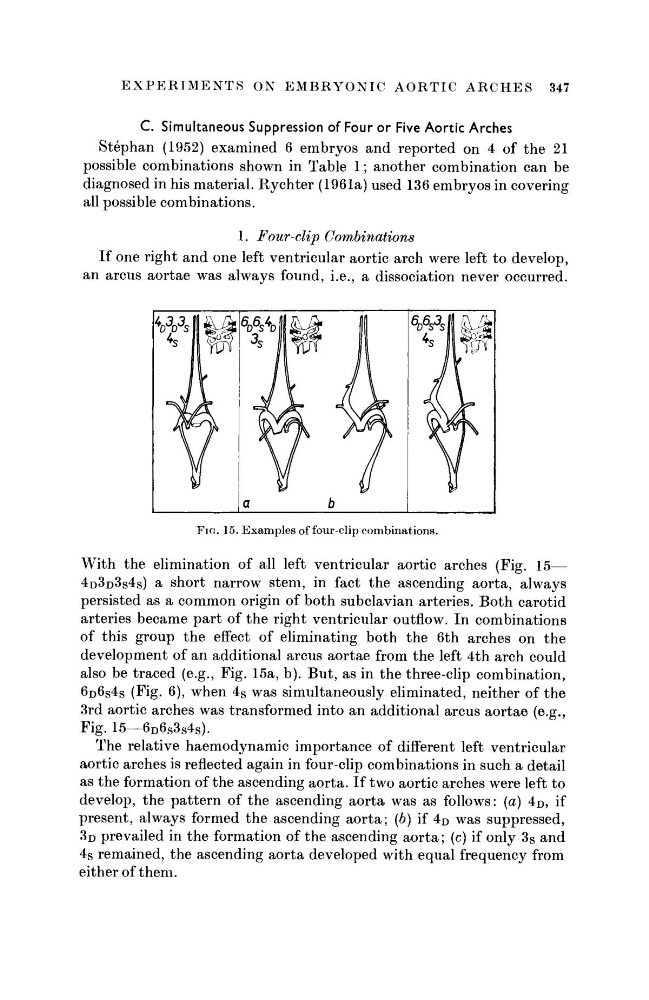
FIG. 15. Examples of four-clip combinations.
With the elimination of all left ventricular aortic arches (Fig. 15—
4D3D3S4S) a short narrow stem, in fact the ascending aorta, always
persisted as a common origin of both subclavian arteries. Both carotid
arteries became part of the right ventricular outflow. In combinations
of this group the effect of eliminating both the 6th arches on the
development of an additional arcus aortae from the left 4th arch could
also be traced (e.g., Fig. 15a, b). But, as in the three-clip combination,
6D6S4 S (Fig. 6), when 4 S was simultaneously eliminated, neither of the
3rd aortic arches was transformed into an additional arcus aortae (e.g.,
Fig. 15—6 D 6 S 3 S 4 S ).
The relative haemodynamic importance of different left ventricular
aortic arches is reflected again in four-clip combinations in such a detail
as the formation of the ascending aorta. If two aortic arches were left to
develop, the pattern of the ascending aorta was as follows: (a) 4 D , if
present, always formed the ascending aorta; (b) if 4 D was suppressed,
3D prevailed in the formation of the ascending aorta; (c) if only 3s and
4 S remained, the ascending aorta developed with equal frequency from
either of them.
C. Simultaneous Suppression of Four or Five Aortic Arches
Stephan (1952) examined 6 embryos and reported on 4 of the 21
possible combinations shown in Table 1; another combination can be
diagnosed in his material. Rychter (1961a) used 136 embryos in covering
all possible combinations.
1. Four-clip Combinations
If one right and one left ventricular aortic arch were left to develop,
an arcus aortae was always found, i.e., a dissociation never occurred.
FIG. 15. Examples of four-clip combinations.
With the elimination of all left ventricular aortic arches (Fig. 15—
4D3D3S4S) a short narrow stem, in fact the ascending aorta, always
persisted as a common origin of both subclavian arteries. Both carotid
arteries became part of the right ventricular outflow. In combinations
of this group the effect of eliminating both the 6th arches on the
development of an additional arcus aortae from the left 4th arch could
also be traced (e.g., Fig. 15a, b). But, as in the three-clip combination,
6D6S4 S (Fig. 6), when 4 S was simultaneously eliminated, neither of the
3rd aortic arches was transformed into an additional arcus aortae (e.g.,
Fig. 15—6 D 6 S 3 S 4 S ).
The relative haemodynamic importance of different left ventricular
aortic arches is reflected again in four-clip combinations in such a detail
as the formation of the ascending aorta. If two aortic arches were left to
develop, the pattern of the ascending aorta was as follows: (a) 4 D , if
present, always formed the ascending aorta; (b) if 4 D was suppressed,
3D prevailed in the formation of the ascending aorta; (c) if only 3s and
4 S remained, the ascending aorta developed with equal frequency from
either of them.