

660
H O N O R
B .
F E L L
A N D
L .
M .
R I N A L D I N I
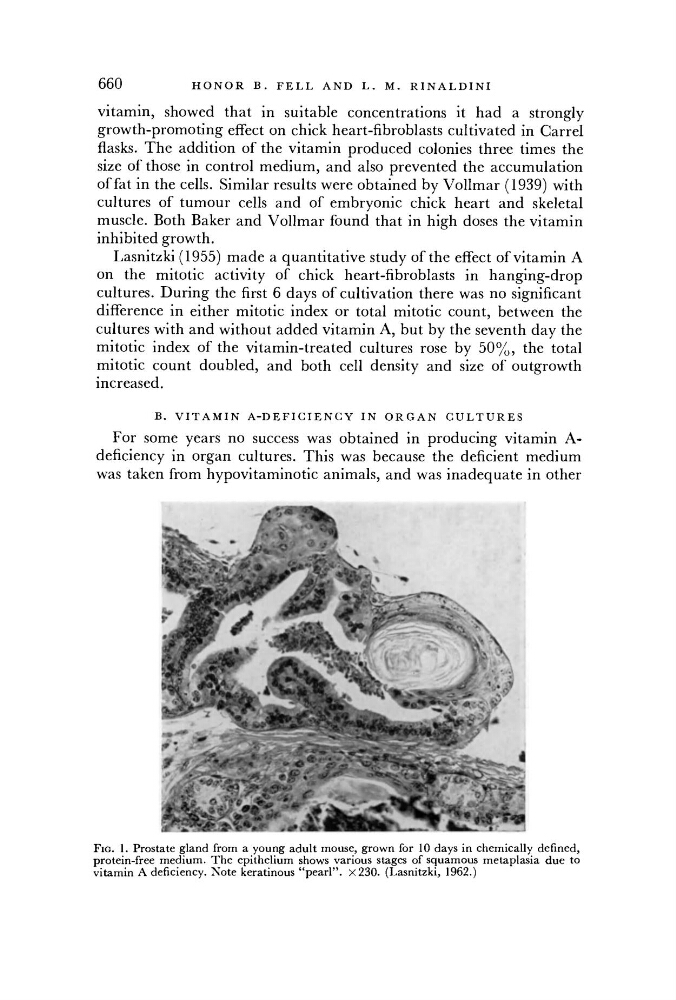
FIG. 1. Prostate gland from a young adult mouse, grown for 10 days in chemically defined,
protein-free medium. The epithelium shows various stages of squamous metaplasia due to
vitamin A deficiency. Note keratinous "pearl". x230. (Lasnitzki, 1962.)
vitamin, showed that in suitable concentrations it had a strongly
growth-promoting effect on chick heart-fibroblasts cultivated in Carrel
flasks. The addition of the vitamin produced colonies three times the
size of those in control medium, and also prevented the accumulation
of fat in the cells. Similar results were obtained by Vollmar (1939) with
cultures of tumour cells and of embryonic chick heart and skeletal
muscle. Both Baker and Vollmar found that in high doses the vitamin
inhibited growth.
Lasnitzki (1955) made a quantitative study ofthe effect of vitamin A
on the mitotic activity of chick heart-fibroblasts in hanging-drop
cultures. During the first 6 days of cultivation there was no significant
difference in either mitotic index or total mitotic count, between the
cultures with and without added vitamin A, but by the seventh day the
mitotic index of the vitamin-treated cultures rose by 50%, the total
mitotic count doubled, and both cell density and size of outgrowth
increased.
B . V I T A M I N
A - D E F I C I E N C Y I N O R G A N
C U L T U R E S
For some years no success was obtained in producing vitamin Adeficiency in organ cultures. This was because the deficient medium
was taken from hypovitaminotic animals, and was inadequate in other