

X. METHODS IN CAMPYLOBACTER
439
bacter can be expected because the testes are not infected. In bovine campylobacteriosis samples of faeces are the most frequently investigated, and
after abortion specimens from placenta, chorion, or fetal stomach contents.
Samples for diagnosis of Campylobacter infection in man are listed according to frequency of hitherto existing isolation (Ullmann, 1976): blood
cultures, cerebrospinal fluid, pus from abscess, synovial fluid, placental
tissue, bile, pleural fluid, swabs from pericardium, content of ovarian cysts,
fetus, swabs from cervix, urine, and faeces in cases of gastroenteritis.
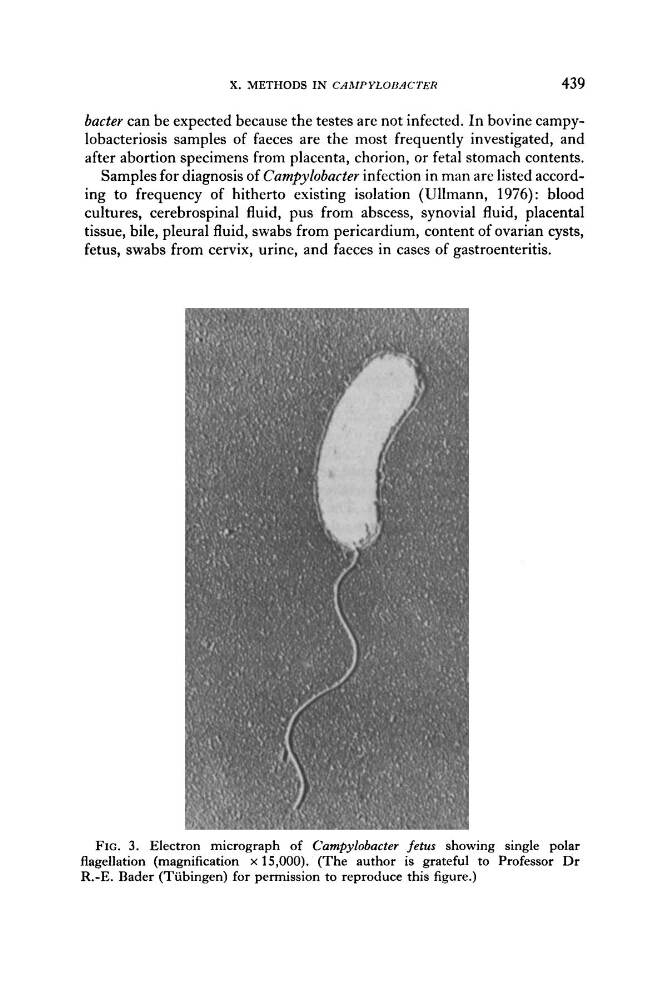
FIG. 3. Electron micrograph of Campylobacter fetus showing single polar
flagellation (magnification x 15,000). (The author is grateful to Professor Dr
R.-E. Rader (Tubingen) for permission to reproduce this figure.)
439
bacter can be expected because the testes are not infected. In bovine campylobacteriosis samples of faeces are the most frequently investigated, and
after abortion specimens from placenta, chorion, or fetal stomach contents.
Samples for diagnosis of Campylobacter infection in man are listed according to frequency of hitherto existing isolation (Ullmann, 1976): blood
cultures, cerebrospinal fluid, pus from abscess, synovial fluid, placental
tissue, bile, pleural fluid, swabs from pericardium, content of ovarian cysts,
fetus, swabs from cervix, urine, and faeces in cases of gastroenteritis.
FIG. 3. Electron micrograph of Campylobacter fetus showing single polar
flagellation (magnification x 15,000). (The author is grateful to Professor Dr
R.-E. Rader (Tubingen) for permission to reproduce this figure.)