

V. NEW APPROACH TO WATER RELATIONS OF DESERT PLANTS
245
Dates
May
June June
June June June
20
2
7
15
21
28
-10
E -15
σ
I -20
o
a.
u
I -
25
O
-30
-35
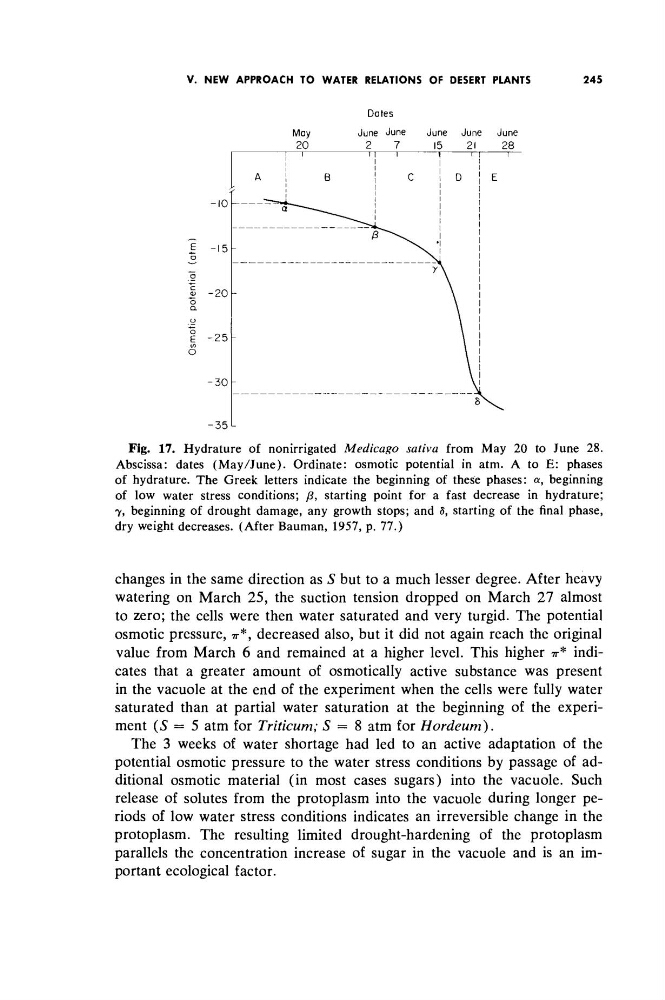
Fig. 17. Hydrature of nonirrigated Medicago sativa from May 20 to June 28.
Abscissa: dates (May/June). Ordinate: osmotic potential in atm. A to E: phases
of hydrature. The Greek letters indicate the beginning of these phases: a, beginning
of low water stress conditions; ß, starting point for a fast decrease in hydrature;
7, beginning of drought damage, any growth stops; and δ, starting of the final phase,
dry weight decreases. (After Bauman, 1957, p. 77.)
changes in the same direction as S but to a much lesser degree. After heavy
watering on March 25, the suction tension dropped on March 27 almost
to zero; the cells were then water saturated and very turgid. The potential
osmotic pressure, ?r*, decreased also, but it did not again reach the original
value from March 6 and remained at a higher level. This higher ?r* indicates that a greater amount of osmotically active substance was present
in the vacuole at the end of the experiment when the cells were fully water
saturated than at partial water saturation at the beginning of the experiment ( 5 = 5 atm for Triticwn; S = 8 atm for H or de urn).
The 3 weeks of water shortage had led to an active adaptation of the
potential osmotic pressure to the water stress conditions by passage of additional osmotic material (in most cases sugars) into the vacuole. Such
release of solutes from the protoplasm into the vacuole during longer periods of low water stress conditions indicates an irreversible change in the
protoplasm. The resulting limited drought-hardening of the protoplasm
parallels the concentration increase of sugar in the vacuole and is an important ecological factor.
245
Dates
May
June June
June June June
20
2
7
15
21
28
-10
E -15
σ
I -20
o
a.
u
I -
25
O
-30
-35
Fig. 17. Hydrature of nonirrigated Medicago sativa from May 20 to June 28.
Abscissa: dates (May/June). Ordinate: osmotic potential in atm. A to E: phases
of hydrature. The Greek letters indicate the beginning of these phases: a, beginning
of low water stress conditions; ß, starting point for a fast decrease in hydrature;
7, beginning of drought damage, any growth stops; and δ, starting of the final phase,
dry weight decreases. (After Bauman, 1957, p. 77.)
changes in the same direction as S but to a much lesser degree. After heavy
watering on March 25, the suction tension dropped on March 27 almost
to zero; the cells were then water saturated and very turgid. The potential
osmotic pressure, ?r*, decreased also, but it did not again reach the original
value from March 6 and remained at a higher level. This higher ?r* indicates that a greater amount of osmotically active substance was present
in the vacuole at the end of the experiment when the cells were fully water
saturated than at partial water saturation at the beginning of the experiment ( 5 = 5 atm for Triticwn; S = 8 atm for H or de urn).
The 3 weeks of water shortage had led to an active adaptation of the
potential osmotic pressure to the water stress conditions by passage of additional osmotic material (in most cases sugars) into the vacuole. Such
release of solutes from the protoplasm into the vacuole during longer periods of low water stress conditions indicates an irreversible change in the
protoplasm. The resulting limited drought-hardening of the protoplasm
parallels the concentration increase of sugar in the vacuole and is an important ecological factor.