

140
CLAUDE J. GRENOT
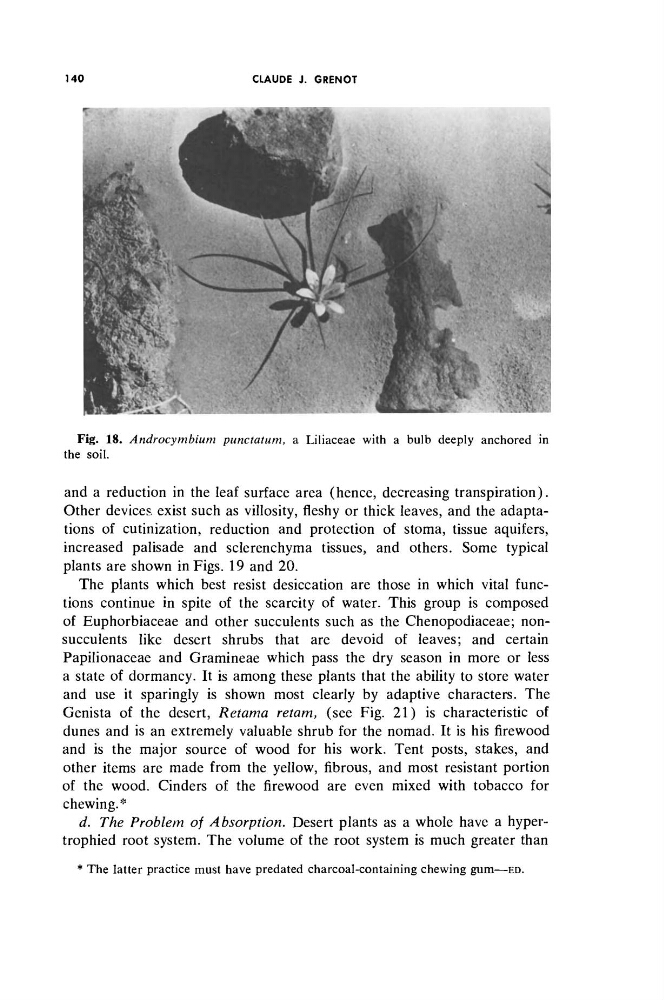
Fig. 18. Androcymbium punctatum, a Liliaceae with a bulb deeply anchored in
the soil.
and a reduction in the leaf surface area (hence, decreasing transpiration).
Other devices, exist such as villosity, fleshy or thick leaves, and the adaptations of cutinization, reduction and protection of stoma, tissue aquifers,
increased palisade and sclerenchyma tissues, and others. Some typical
plants are shown in Figs. 19 and 20.
The plants which best resist desiccation are those in which vital functions continue in spite of the scarcity of water. This group is composed
of Euphorbiaceae and other succulents such as the Chenopodiaceae; nonsucculents like desert shrubs that are devoid of leaves; and certain
Papilionaceae and Gramineae which pass the dry season in more or less
a state of dormancy. It is among these plants that the ability to store water
and use it sparingly is shown most clearly by adaptive characters. The
Genista of the desert, Rétama retam, (see Fig. 21) is characteristic of
dunes and is an extremely valuable shrub for the nomad. It is his firewood
and is the major source of wood for his work. Tent posts, stakes, and
other items are made from the yellow, fibrous, and most resistant portion
of the wood. Cinders of the firewood are even mixed with tobacco for
chewing.*
d. The Problem of Absorption. Desert plants as a whole have a hypertrophied root system. The volume of the root system is much greater than
* The latter practice must have predated charcoal-containing chewing gum—ED.
CLAUDE J. GRENOT
Fig. 18. Androcymbium punctatum, a Liliaceae with a bulb deeply anchored in
the soil.
and a reduction in the leaf surface area (hence, decreasing transpiration).
Other devices, exist such as villosity, fleshy or thick leaves, and the adaptations of cutinization, reduction and protection of stoma, tissue aquifers,
increased palisade and sclerenchyma tissues, and others. Some typical
plants are shown in Figs. 19 and 20.
The plants which best resist desiccation are those in which vital functions continue in spite of the scarcity of water. This group is composed
of Euphorbiaceae and other succulents such as the Chenopodiaceae; nonsucculents like desert shrubs that are devoid of leaves; and certain
Papilionaceae and Gramineae which pass the dry season in more or less
a state of dormancy. It is among these plants that the ability to store water
and use it sparingly is shown most clearly by adaptive characters. The
Genista of the desert, Rétama retam, (see Fig. 21) is characteristic of
dunes and is an extremely valuable shrub for the nomad. It is his firewood
and is the major source of wood for his work. Tent posts, stakes, and
other items are made from the yellow, fibrous, and most resistant portion
of the wood. Cinders of the firewood are even mixed with tobacco for
chewing.*
d. The Problem of Absorption. Desert plants as a whole have a hypertrophied root system. The volume of the root system is much greater than
* The latter practice must have predated charcoal-containing chewing gum—ED.