

283
Causes of Glaciation
Other Factors
Variations in Earth’ s orbit correlate closely
with the timing of glacial–interglacial
cycles. However, the variations in solar
energy reaching Earth’ s surface caused by
these orbital changes do not adequately
explain the magnitude of the temperature
changes that occurred during the most
recent Ice Age. Other factors must also
have contributed. One factor involves variA.
B.
C.
Maximum tilt 231 /2 °
Plane of Earth’s orbit
Precession
Precession
Vega
North
Star
22 °
241 /2 °
231 /2 °
Today’s tilt
Minimum tilt
Circular
orbit
Elliptical
orbit
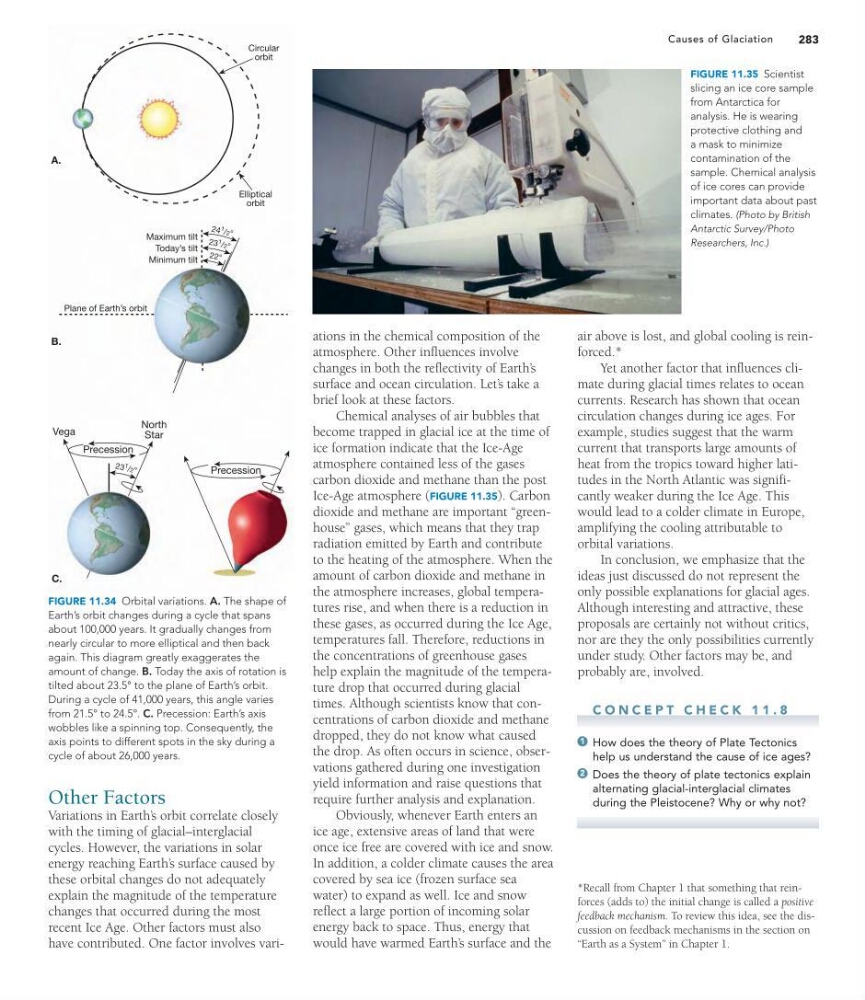
FIGURE 11.34 Orbital variations. A. The shape of
Earth’s orbit changes during a cycle that spans
about 100,000 years. It gradually changes from
nearly circular to more elliptical and then back
again. This diagram greatly exaggerates the
amount of change. B. Today the axis of rotation is
tilted about 23.5° to the plane of Earth’s orbit.
During a cycle of 41,000 years, this angle varies
from 21.5° to 24.5°. C. Precession: Earth’s axis
wobbles like a spinning top. Consequently, the
axis points to different spots in the sky during a
cycle of about 26,000 years.
FIGURE 11.35 Scientist
slicing an ice core sample
from Antarctica for
analysis. He is wearing
protective clothing and
a mask to minimize
contamination of the
sample. Chemical analysis
of ice cores can provide
important data about past
climates. (Photo by British
Antarctic Survey/Photo
Researchers, Inc.)
*Recall from Chapter 1 that something that reinforces (adds to) the initial change is called a positive
feedback mechanism. To review this idea, see the discussion on feedback mechanisms in the section on
“Earth as a System” in Chapter 1.
ations in the chemical composition of the
atmosphere. Other influences involve
changes in both the reflectivity of Earth’ s
surface and ocean circulation. Let’ s take a
brief look at these factors.
Chemical analyses of air bubbles that
become trapped in glacial ice at the time of
ice formation indicate that the Ice-Age
atmosphere contained less of the gases
carbon dioxide and methane than the post
Ice-Age atmosphere (FIGURE 11.35). Carbon
dioxide and methane are important “greenhouse” gases, which means that they trap
radiation emitted by Earth and contribute
to the heating of the atmosphere. When the
amount of carbon dioxide and methane in
the atmosphere increases, global temperatures rise, and when there is a reduction in
these gases, as occurred during the Ice Age,
temperatures fall. Therefore, reductions in
the concentrations of greenhouse gases
help explain the magnitude of the temperature drop that occurred during glacial
times. Although scientists know that concentrations of carbon dioxide and methane
dropped, they do not know what caused
the drop. As often occurs in science, observations gathered during one investigation
yield information and raise questions that
require further analysis and explanation.
Obviously, whenever Earth enters an
ice age, extensive areas of land that were
once ice free are covered with ice and snow.
In addition, a colder climate causes the area
covered by sea ice (frozen surface sea
water) to expand as well. Ice and snow
reflect a large portion of incoming solar
energy back to space. Thus, energy that
would have warmed Earth’ s surface and the
air above is lost, and global cooling is reinforced.*
Yet another factor that influences climate during glacial times relates to ocean
currents. Research has shown that ocean
circulation changes during ice ages. For
example, studies suggest that the warm
current that transports large amounts of
heat from the tropics toward higher latitudes in the North Atlantic was significantly weaker during the Ice Age. This
would lead to a colder climate in Europe,
amplifying the cooling attributable to
orbital variations.
In conclusion, we emphasize that the
ideas just discussed do not represent the
only possible explanations for glacial ages.
Although interesting and attractive, these
proposals are certainly not without critics,
nor are they the only possibilities currently
under study. Other factors may be, and
probably are, involved.
C O N C E P T C H E C K 1 1 . 8
How does the theory of Plate Tectonics
help us understand the cause of ice ages?
Does the theory of plate tectonics explain
alternating glacial-interglacial climates
during the Pleistocene? Why or why not?
2
1
Causes of Glaciation
Other Factors
Variations in Earth’ s orbit correlate closely
with the timing of glacial–interglacial
cycles. However, the variations in solar
energy reaching Earth’ s surface caused by
these orbital changes do not adequately
explain the magnitude of the temperature
changes that occurred during the most
recent Ice Age. Other factors must also
have contributed. One factor involves variA.
B.
C.
Maximum tilt 231 /2 °
Plane of Earth’s orbit
Precession
Precession
Vega
North
Star
22 °
241 /2 °
231 /2 °
Today’s tilt
Minimum tilt
Circular
orbit
Elliptical
orbit
FIGURE 11.34 Orbital variations. A. The shape of
Earth’s orbit changes during a cycle that spans
about 100,000 years. It gradually changes from
nearly circular to more elliptical and then back
again. This diagram greatly exaggerates the
amount of change. B. Today the axis of rotation is
tilted about 23.5° to the plane of Earth’s orbit.
During a cycle of 41,000 years, this angle varies
from 21.5° to 24.5°. C. Precession: Earth’s axis
wobbles like a spinning top. Consequently, the
axis points to different spots in the sky during a
cycle of about 26,000 years.
FIGURE 11.35 Scientist
slicing an ice core sample
from Antarctica for
analysis. He is wearing
protective clothing and
a mask to minimize
contamination of the
sample. Chemical analysis
of ice cores can provide
important data about past
climates. (Photo by British
Antarctic Survey/Photo
Researchers, Inc.)
*Recall from Chapter 1 that something that reinforces (adds to) the initial change is called a positive
feedback mechanism. To review this idea, see the discussion on feedback mechanisms in the section on
“Earth as a System” in Chapter 1.
ations in the chemical composition of the
atmosphere. Other influences involve
changes in both the reflectivity of Earth’ s
surface and ocean circulation. Let’ s take a
brief look at these factors.
Chemical analyses of air bubbles that
become trapped in glacial ice at the time of
ice formation indicate that the Ice-Age
atmosphere contained less of the gases
carbon dioxide and methane than the post
Ice-Age atmosphere (FIGURE 11.35). Carbon
dioxide and methane are important “greenhouse” gases, which means that they trap
radiation emitted by Earth and contribute
to the heating of the atmosphere. When the
amount of carbon dioxide and methane in
the atmosphere increases, global temperatures rise, and when there is a reduction in
these gases, as occurred during the Ice Age,
temperatures fall. Therefore, reductions in
the concentrations of greenhouse gases
help explain the magnitude of the temperature drop that occurred during glacial
times. Although scientists know that concentrations of carbon dioxide and methane
dropped, they do not know what caused
the drop. As often occurs in science, observations gathered during one investigation
yield information and raise questions that
require further analysis and explanation.
Obviously, whenever Earth enters an
ice age, extensive areas of land that were
once ice free are covered with ice and snow.
In addition, a colder climate causes the area
covered by sea ice (frozen surface sea
water) to expand as well. Ice and snow
reflect a large portion of incoming solar
energy back to space. Thus, energy that
would have warmed Earth’ s surface and the
air above is lost, and global cooling is reinforced.*
Yet another factor that influences climate during glacial times relates to ocean
currents. Research has shown that ocean
circulation changes during ice ages. For
example, studies suggest that the warm
current that transports large amounts of
heat from the tropics toward higher latitudes in the North Atlantic was significantly weaker during the Ice Age. This
would lead to a colder climate in Europe,
amplifying the cooling attributable to
orbital variations.
In conclusion, we emphasize that the
ideas just discussed do not represent the
only possible explanations for glacial ages.
Although interesting and attractive, these
proposals are certainly not without critics,
nor are they the only possibilities currently
under study. Other factors may be, and
probably are, involved.
C O N C E P T C H E C K 1 1 . 8
How does the theory of Plate Tectonics
help us understand the cause of ice ages?
Does the theory of plate tectonics explain
alternating glacial-interglacial climates
during the Pleistocene? Why or why not?
2
1