

CHAPTER 11 Glaciers and Glaciation
274
Glacial Deposits
Glaciers and Glaciation
Reviewing Glacial Features
Glaciers pick up and transport huge loads of debris as they slowly advance across the land.
Ultimately these materials are deposited when the ice melts. In regions where glacial sediment is deposited, it can play a truly significant role in forming the physical landscape. For
example, in many areas once covered by the ice sheets of the recent Ice Age, the bedrock is
rarely exposed because glacial deposits that are tens or even hundreds of meters thick
completely mantle the terrain. The general effect of these deposits is to reduce the local
relief and thus level the topography. Indeed, rural country scenes that are familiar to many
of us—rocky pastures in New England, wheat fields in the Dakotas, rolling farmland in the
Midwest—result directly from glacial deposition.
Types of Glacial Drift
Long before the theory of an extensive Ice Age was proposed, much of the soil and rock
debris covering portions of Europe was recognized as coming from elsewhere. At the time,
these foreign materials were believed to have been “drifted” into their present positions by
floating ice during an ancient flood. As a consequence, the term drift was applied to this
sediment. Although rooted in a concept that was not correct, this term was so well established by the time the true glacial origin of the debris became widely recognized that it
remained in the basic glacial vocabulary. Today, glacial drift is an all-embracing term for
sediments of glacial origin, no matter how, where, or
in what form they were deposited.
Glacial drift is divided into two distinct types:
(1) materials deposited directly by the glacier, which
are known as till, and (2) sediments laid down by
glacial meltwater, called stratified drift. Here is the
difference: Till is deposited as glacial ice melts and
drops its load of rock fragments. Unlike moving
water and wind, ice cannot sort the sediment it carries. Therefore, deposits of till are characteristically
GEODe
ESSENTIALS
OF GEOLOGY
unsorted mixtures of many particle sizes
(FIGURE 11.22). A close examination of this
sediment often shows that many of the
pieces are scratched and polished as a
result of being dragged along by the glacier.
Stratified drift is sorted according to the
size and weight of the fragments. Because
ice is not capable of such sorting activity,
these sediments are not deposited directly
by the glacier. Rather, they reflect the sorting action of glacial meltwater.
Some deposits of stratified drift are
made by streams issuing directly from the
glacier. Other stratified deposits involve
sediment that was originally laid down as
till and later picked up, transported, and
redeposited by meltwater beyond the
margin of the ice. Accumulations of stratified drift often consist largely of sand and
gravel, because the meltwater is not capable
of moving larger material and because the
finer rock flour remains suspended and is
commonly carried far from the glacier. An
indication that stratified drift consists primarily of sand and gravel can be seen in
many areas where these deposits are
actively mined as aggregate for road work
and other construction projects.
D I D Y O U K N O W ?
The Arctic Ocean surrounds
the North Pole, so the ice in
this region is sea ice (frozen
seawater), not glacial ice.
Remember, glaciers form on
land from the accumulation
of snow.
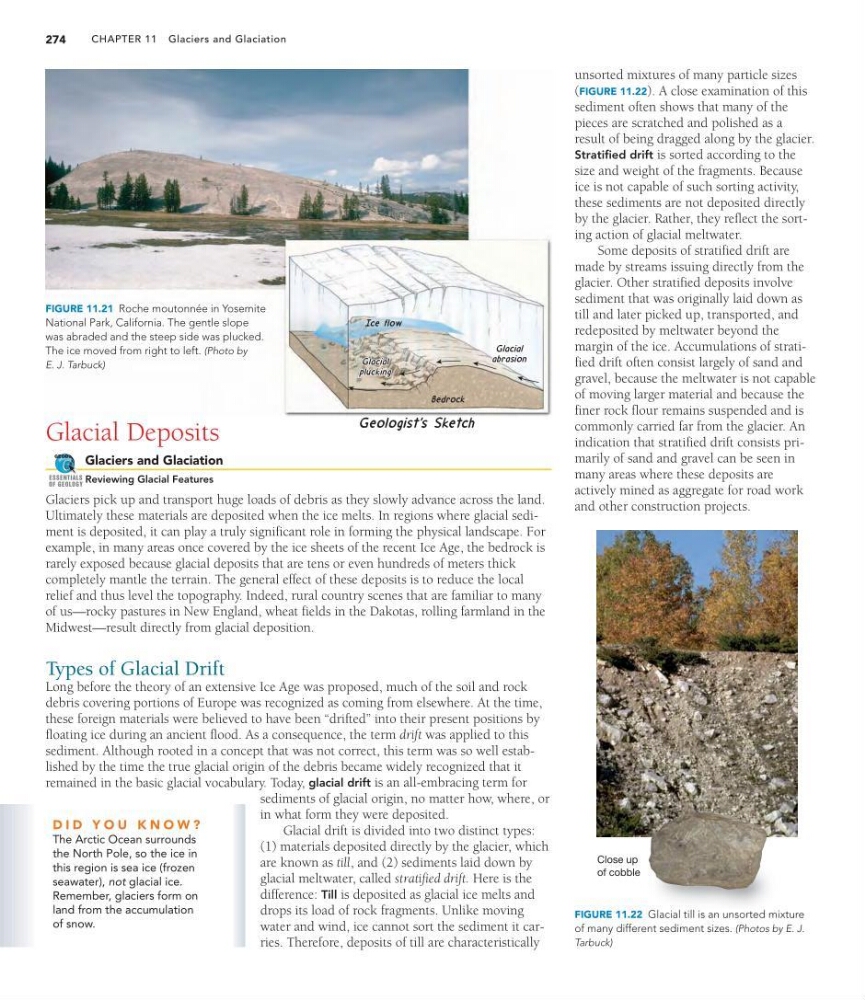
FIGURE 11.21 Roche moutonnée in Yosemite
National Park, California. The gentle slope
was abraded and the steep side was plucked.
The ice moved from right to left. (Photo by
E. J. Tarbuck)
Close up
of cobble
FIGURE 11.22 Glacial till is an unsorted mixture
of many different sediment sizes. (Photos by E. J.
Tarbuck)
274
Glacial Deposits
Glaciers and Glaciation
Reviewing Glacial Features
Glaciers pick up and transport huge loads of debris as they slowly advance across the land.
Ultimately these materials are deposited when the ice melts. In regions where glacial sediment is deposited, it can play a truly significant role in forming the physical landscape. For
example, in many areas once covered by the ice sheets of the recent Ice Age, the bedrock is
rarely exposed because glacial deposits that are tens or even hundreds of meters thick
completely mantle the terrain. The general effect of these deposits is to reduce the local
relief and thus level the topography. Indeed, rural country scenes that are familiar to many
of us—rocky pastures in New England, wheat fields in the Dakotas, rolling farmland in the
Midwest—result directly from glacial deposition.
Types of Glacial Drift
Long before the theory of an extensive Ice Age was proposed, much of the soil and rock
debris covering portions of Europe was recognized as coming from elsewhere. At the time,
these foreign materials were believed to have been “drifted” into their present positions by
floating ice during an ancient flood. As a consequence, the term drift was applied to this
sediment. Although rooted in a concept that was not correct, this term was so well established by the time the true glacial origin of the debris became widely recognized that it
remained in the basic glacial vocabulary. Today, glacial drift is an all-embracing term for
sediments of glacial origin, no matter how, where, or
in what form they were deposited.
Glacial drift is divided into two distinct types:
(1) materials deposited directly by the glacier, which
are known as till, and (2) sediments laid down by
glacial meltwater, called stratified drift. Here is the
difference: Till is deposited as glacial ice melts and
drops its load of rock fragments. Unlike moving
water and wind, ice cannot sort the sediment it carries. Therefore, deposits of till are characteristically
GEODe
ESSENTIALS
OF GEOLOGY
unsorted mixtures of many particle sizes
(FIGURE 11.22). A close examination of this
sediment often shows that many of the
pieces are scratched and polished as a
result of being dragged along by the glacier.
Stratified drift is sorted according to the
size and weight of the fragments. Because
ice is not capable of such sorting activity,
these sediments are not deposited directly
by the glacier. Rather, they reflect the sorting action of glacial meltwater.
Some deposits of stratified drift are
made by streams issuing directly from the
glacier. Other stratified deposits involve
sediment that was originally laid down as
till and later picked up, transported, and
redeposited by meltwater beyond the
margin of the ice. Accumulations of stratified drift often consist largely of sand and
gravel, because the meltwater is not capable
of moving larger material and because the
finer rock flour remains suspended and is
commonly carried far from the glacier. An
indication that stratified drift consists primarily of sand and gravel can be seen in
many areas where these deposits are
actively mined as aggregate for road work
and other construction projects.
D I D Y O U K N O W ?
The Arctic Ocean surrounds
the North Pole, so the ice in
this region is sea ice (frozen
seawater), not glacial ice.
Remember, glaciers form on
land from the accumulation
of snow.
FIGURE 11.21 Roche moutonnée in Yosemite
National Park, California. The gentle slope
was abraded and the steep side was plucked.
The ice moved from right to left. (Photo by
E. J. Tarbuck)
Close up
of cobble
FIGURE 11.22 Glacial till is an unsorted mixture
of many different sediment sizes. (Photos by E. J.
Tarbuck)