

Net Primary Productivity (kgC/m
2 /year)
0
1
2
3
CHAPTER 6 Sedimentary Rocks
172
compounds as a source of energy and,
through the process of respiration, return
carbon dioxide to the atmosphere. (Plants
also return some CO 2 to the atmosphere via
respiration.) Further, when plants die and
decay or are burned, this biomass is
oxidized, and carbon dioxide is returned
to the atmosphere.
Not all dead plant material decays
immediately back to carbon dioxide. A
small percentage is deposited as sediment.
Over long spans of geologic time, considerable biomass is buried with sediment.
Under the right conditions, some of these
carbon-rich deposits are converted to fossil
fuels—coal, petroleum, or natural gas.
Eventually some of the fuels are recovered
(mined or pumped from a well) and
burned to run factories and to fuel our
transportation system. One result of fossilfuel combustion is the release of huge
quantities of CO 2 into the atmosphere.
Certainly, one of the most active parts of the carbon cycle is the
movement of CO 2 from the atmosphere to the biosphere and back again.
Carbon also moves from the geosphere and hydrosphere to the atmosphere
and back again. For example, volcanic activity early in Earth’ s history is thought to
be the source of much of the carbon dioxide found in the atmosphere. One way
that carbon dioxide makes its way back to the hydrosphere and then to the solid
Earth is by first combining with water to form carbonic acid (H 2 CO 3 ), which then attacks
the rocks that compose the geosphere. One product of this chemical weathering of solid
rock is the soluble bicarbonate ion (2HCO 3
–
), which is carried by groundwater and streams
to the ocean. Here water-dwelling organisms extract this dissolved material to produce hard
parts of calcium carbonate (CaCO 3 ). When the organisms die, these skeletal remains settle to
the ocean floor as biochemical sediment and become sedimentary rock. In fact, the
geosphere is by far Earth’ s largest depository of carbon, where it is a constituent of a variety
of rocks, the most abundant being limestone. Eventually the limestone may be exposed at
Earth’ s surface, where chemical weathering will cause the carbon stored in the rock to be
released to the atmosphere as CO 2 .
In summary, carbon moves among all four of Earth’ s major spheres. It is essential to
every living thing in the biosphere. In the atmosphere, carbon dioxide is an important
greenhouse gas. In the hydrosphere, carbon dioxide is dissolved in lakes, rivers, and the
ocean. In the geosphere, carbon is contained in carbonate sediments and sedimentary rocks
and is stored as organic matter dispersed through sedimentary rocks and deposits of coal
and petroleum.
C O N C E P T C H E C K 6 . 1 2
Describe how chemical weathering and the formation of biochemical sediment
removes carbon from the atmosphere and stores it in the geosphere.
1
C H A P T E R
S I X
Sedimentary Rocks
in Review
Sedimentary rocks account for about 5 to 10 percent of Earth’ s
outer 16 kilometers (10 miles). Because they are concentrated at
Earth’ s surface, the importance of this group is much greater than
this percentage implies. Sedimentary rocks contain much of the
basic information needed to reconstruct Earth history. In addition, this group is associated with many important energy and
mineral resources.
Sedimentary rock consists of sediment that has been lithified
into solid rock. Sediment has two principal sources: (1) as
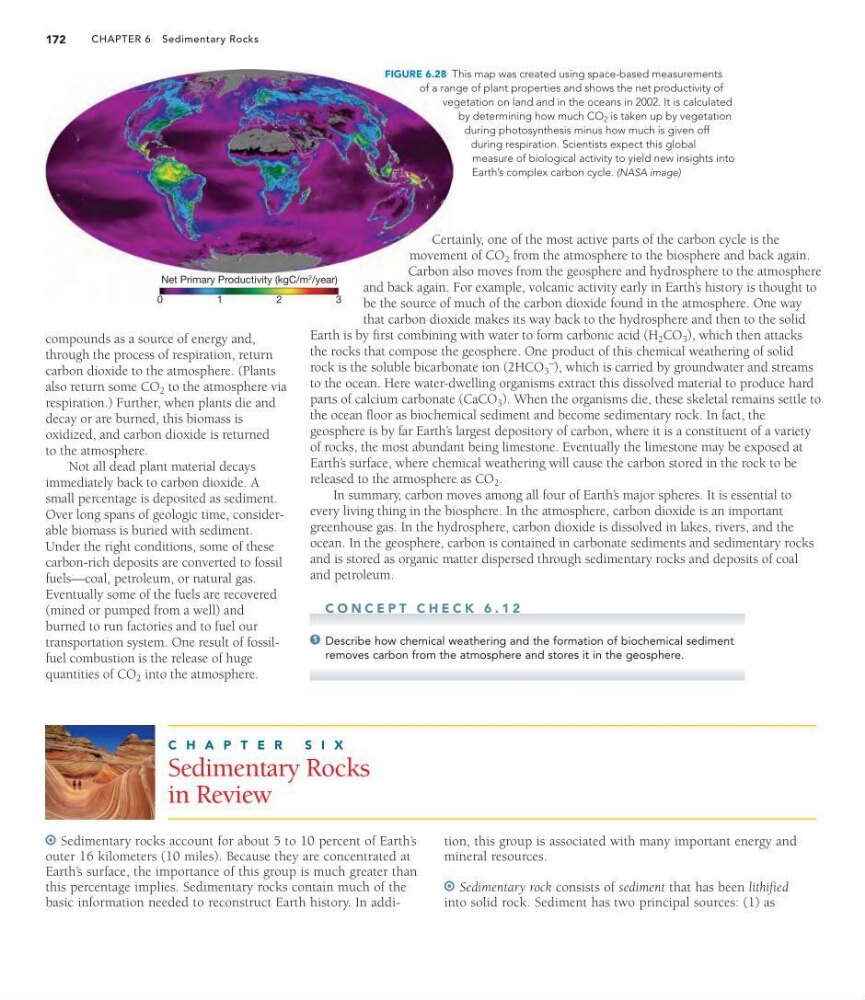
FIGURE 6.28 This map was created using space-based measurements
of a range of plant properties and shows the net productivity of
vegetation on land and in the oceans in 2002. It is calculated
by determining how much CO 2 is taken up by vegetation
during photosynthesis minus how much is given off
during respiration. Scientists expect this global
measure of biological activity to yield new insights into
Earth’s complex carbon cycle. (NASA image)
2 /year)
0
1
2
3
CHAPTER 6 Sedimentary Rocks
172
compounds as a source of energy and,
through the process of respiration, return
carbon dioxide to the atmosphere. (Plants
also return some CO 2 to the atmosphere via
respiration.) Further, when plants die and
decay or are burned, this biomass is
oxidized, and carbon dioxide is returned
to the atmosphere.
Not all dead plant material decays
immediately back to carbon dioxide. A
small percentage is deposited as sediment.
Over long spans of geologic time, considerable biomass is buried with sediment.
Under the right conditions, some of these
carbon-rich deposits are converted to fossil
fuels—coal, petroleum, or natural gas.
Eventually some of the fuels are recovered
(mined or pumped from a well) and
burned to run factories and to fuel our
transportation system. One result of fossilfuel combustion is the release of huge
quantities of CO 2 into the atmosphere.
Certainly, one of the most active parts of the carbon cycle is the
movement of CO 2 from the atmosphere to the biosphere and back again.
Carbon also moves from the geosphere and hydrosphere to the atmosphere
and back again. For example, volcanic activity early in Earth’ s history is thought to
be the source of much of the carbon dioxide found in the atmosphere. One way
that carbon dioxide makes its way back to the hydrosphere and then to the solid
Earth is by first combining with water to form carbonic acid (H 2 CO 3 ), which then attacks
the rocks that compose the geosphere. One product of this chemical weathering of solid
rock is the soluble bicarbonate ion (2HCO 3
–
), which is carried by groundwater and streams
to the ocean. Here water-dwelling organisms extract this dissolved material to produce hard
parts of calcium carbonate (CaCO 3 ). When the organisms die, these skeletal remains settle to
the ocean floor as biochemical sediment and become sedimentary rock. In fact, the
geosphere is by far Earth’ s largest depository of carbon, where it is a constituent of a variety
of rocks, the most abundant being limestone. Eventually the limestone may be exposed at
Earth’ s surface, where chemical weathering will cause the carbon stored in the rock to be
released to the atmosphere as CO 2 .
In summary, carbon moves among all four of Earth’ s major spheres. It is essential to
every living thing in the biosphere. In the atmosphere, carbon dioxide is an important
greenhouse gas. In the hydrosphere, carbon dioxide is dissolved in lakes, rivers, and the
ocean. In the geosphere, carbon is contained in carbonate sediments and sedimentary rocks
and is stored as organic matter dispersed through sedimentary rocks and deposits of coal
and petroleum.
C O N C E P T C H E C K 6 . 1 2
Describe how chemical weathering and the formation of biochemical sediment
removes carbon from the atmosphere and stores it in the geosphere.
1
C H A P T E R
S I X
Sedimentary Rocks
in Review
Sedimentary rocks account for about 5 to 10 percent of Earth’ s
outer 16 kilometers (10 miles). Because they are concentrated at
Earth’ s surface, the importance of this group is much greater than
this percentage implies. Sedimentary rocks contain much of the
basic information needed to reconstruct Earth history. In addition, this group is associated with many important energy and
mineral resources.
Sedimentary rock consists of sediment that has been lithified
into solid rock. Sediment has two principal sources: (1) as
FIGURE 6.28 This map was created using space-based measurements
of a range of plant properties and shows the net productivity of
vegetation on land and in the oceans in 2002. It is calculated
by determining how much CO 2 is taken up by vegetation
during photosynthesis minus how much is given off
during respiration. Scientists expect this global
measure of biological activity to yield new insights into
Earth’s complex carbon cycle. (NASA image)