

CHAPTER 5 Weathering and Soils
136
A.
B.
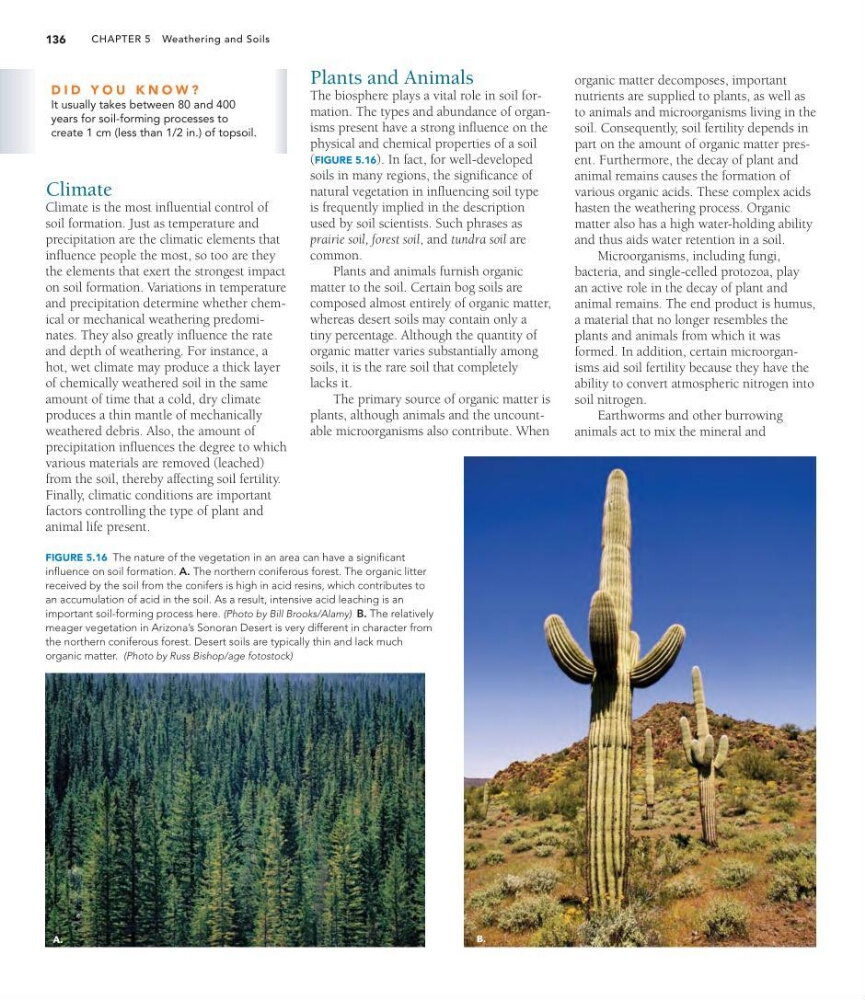
FIGURE 5.16 The nature of the vegetation in an area can have a significant
influence on soil formation. A. The northern coniferous forest. The organic litter
received by the soil from the conifers is high in acid resins, which contributes to
an accumulation of acid in the soil. As a result, intensive acid leaching is an
important soil-forming process here. (Photo by Bill Brooks/Alamy) B. The relatively
meager vegetation in Arizona’s Sonoran Desert is very different in character from
the northern coniferous forest. Desert soils are typically thin and lack much
organic matter. (Photo by Russ Bishop/age fotostock)
Climate
Climate is the most influential control of
soil formation. Just as temperature and
precipitation are the climatic elements that
influence people the most, so too are they
the elements that exert the strongest impact
on soil formation. Variations in temperature
and precipitation determine whether chemical or mechanical weathering predominates. They also greatly influence the rate
and depth of weathering. For instance, a
hot, wet climate may produce a thick layer
of chemically weathered soil in the same
amount of time that a cold, dry climate
produces a thin mantle of mechanically
weathered debris. Also, the amount of
precipitation influences the degree to which
various materials are removed (leached)
from the soil, thereby affecting soil fertility.
Finally, climatic conditions are important
factors controlling the type of plant and
animal life present.
Plants and Animals
The biosphere plays a vital role in soil formation. The types and abundance of organisms present have a strong influence on the
physical and chemical properties of a soil
(FIGURE 5.16). In fact, for well-developed
soils in many regions, the significance of
natural vegetation in influencing soil type
is frequently implied in the description
used by soil scientists. Such phrases as
prairie soil, forest soil, and tundra soil are
common.
Plants and animals furnish organic
matter to the soil. Certain bog soils are
composed almost entirely of organic matter,
whereas desert soils may contain only a
tiny percentage. Although the quantity of
organic matter varies substantially among
soils, it is the rare soil that completely
lacks it.
The primary source of organic matter is
plants, although animals and the uncountable microorganisms also contribute. When
organic matter decomposes, important
nutrients are supplied to plants, as well as
to animals and microorganisms living in the
soil. Consequently, soil fertility depends in
part on the amount of organic matter present. Furthermore, the decay of plant and
animal remains causes the formation of
various organic acids. These complex acids
hasten the weathering process. Organic
matter also has a high water-holding ability
and thus aids water retention in a soil.
Microorganisms, including fungi,
bacteria, and single-celled protozoa, play
an active role in the decay of plant and
animal remains. The end product is humus,
a material that no longer resembles the
plants and animals from which it was
formed. In addition, certain microorganisms aid soil fertility because they have the
ability to convert atmospheric nitrogen into
soil nitrogen.
Earthworms and other burrowing
animals act to mix the mineral and
D I D Y O U K N O W ?
It usually takes between 80 and 400
years for soil-forming processes to
create 1 cm (less than 1/2 in.) of topsoil.
136
A.
B.
FIGURE 5.16 The nature of the vegetation in an area can have a significant
influence on soil formation. A. The northern coniferous forest. The organic litter
received by the soil from the conifers is high in acid resins, which contributes to
an accumulation of acid in the soil. As a result, intensive acid leaching is an
important soil-forming process here. (Photo by Bill Brooks/Alamy) B. The relatively
meager vegetation in Arizona’s Sonoran Desert is very different in character from
the northern coniferous forest. Desert soils are typically thin and lack much
organic matter. (Photo by Russ Bishop/age fotostock)
Climate
Climate is the most influential control of
soil formation. Just as temperature and
precipitation are the climatic elements that
influence people the most, so too are they
the elements that exert the strongest impact
on soil formation. Variations in temperature
and precipitation determine whether chemical or mechanical weathering predominates. They also greatly influence the rate
and depth of weathering. For instance, a
hot, wet climate may produce a thick layer
of chemically weathered soil in the same
amount of time that a cold, dry climate
produces a thin mantle of mechanically
weathered debris. Also, the amount of
precipitation influences the degree to which
various materials are removed (leached)
from the soil, thereby affecting soil fertility.
Finally, climatic conditions are important
factors controlling the type of plant and
animal life present.
Plants and Animals
The biosphere plays a vital role in soil formation. The types and abundance of organisms present have a strong influence on the
physical and chemical properties of a soil
(FIGURE 5.16). In fact, for well-developed
soils in many regions, the significance of
natural vegetation in influencing soil type
is frequently implied in the description
used by soil scientists. Such phrases as
prairie soil, forest soil, and tundra soil are
common.
Plants and animals furnish organic
matter to the soil. Certain bog soils are
composed almost entirely of organic matter,
whereas desert soils may contain only a
tiny percentage. Although the quantity of
organic matter varies substantially among
soils, it is the rare soil that completely
lacks it.
The primary source of organic matter is
plants, although animals and the uncountable microorganisms also contribute. When
organic matter decomposes, important
nutrients are supplied to plants, as well as
to animals and microorganisms living in the
soil. Consequently, soil fertility depends in
part on the amount of organic matter present. Furthermore, the decay of plant and
animal remains causes the formation of
various organic acids. These complex acids
hasten the weathering process. Organic
matter also has a high water-holding ability
and thus aids water retention in a soil.
Microorganisms, including fungi,
bacteria, and single-celled protozoa, play
an active role in the decay of plant and
animal remains. The end product is humus,
a material that no longer resembles the
plants and animals from which it was
formed. In addition, certain microorganisms aid soil fertility because they have the
ability to convert atmospheric nitrogen into
soil nitrogen.
Earthworms and other burrowing
animals act to mix the mineral and
D I D Y O U K N O W ?
It usually takes between 80 and 400
years for soil-forming processes to
create 1 cm (less than 1/2 in.) of topsoil.