

CHAPTER 4 Volcanoes and Volcanic Hazards
104
sulfurous gases began billowing from a small depression that had been in the cornfield for
as long as people could remember. During the night hot, glowing rock fragments were
ejected from the vent, producing a spectacular fireworks display. Explosive discharges continued, throwing hot fragments and ash occasionally as high as 6000 meters (20,000 feet)
into the air. Larger fragments fell near the crater, some remaining incandescent as they
rolled down the slope. These built an aesthetically pleasing cone, while finer ash fell over a
much larger area, burning and eventually covering the village of Parícutin. In the first day
the cone grew to 40 meters (130 feet), and by the fifth day it was more than 100 meters
(330 feet) high.
The first lava flow came from a fissure that opened just north of the cone, but after a
few months flows began to emerge from the base of the cone itself. In June 1944, a clinkery
aa flow 10 meters (30 feet) thick moved over much of the village of San Juan Parangaricutiro, leaving only the church steeple exposed (see Figure 4.18). After 9 years of intermittent
pyroclastic explosions and nearly continuous discharge of lava from vents at its base, the
activity ceased almost as quickly as it had begun. Today, Parícutin is just another one of the
scores of cinder cones dotting the landscape in this region of Mexico. Like the others, it will
not erupt again.
Composite Cones
Earth’ s most picturesque yet potentially dangerous volcanoes are composite cones or
stratovolcanoes. Most are located in a relatively narrow zone that
rims the Pacific Ocean, appropriately called the Ring of Fire
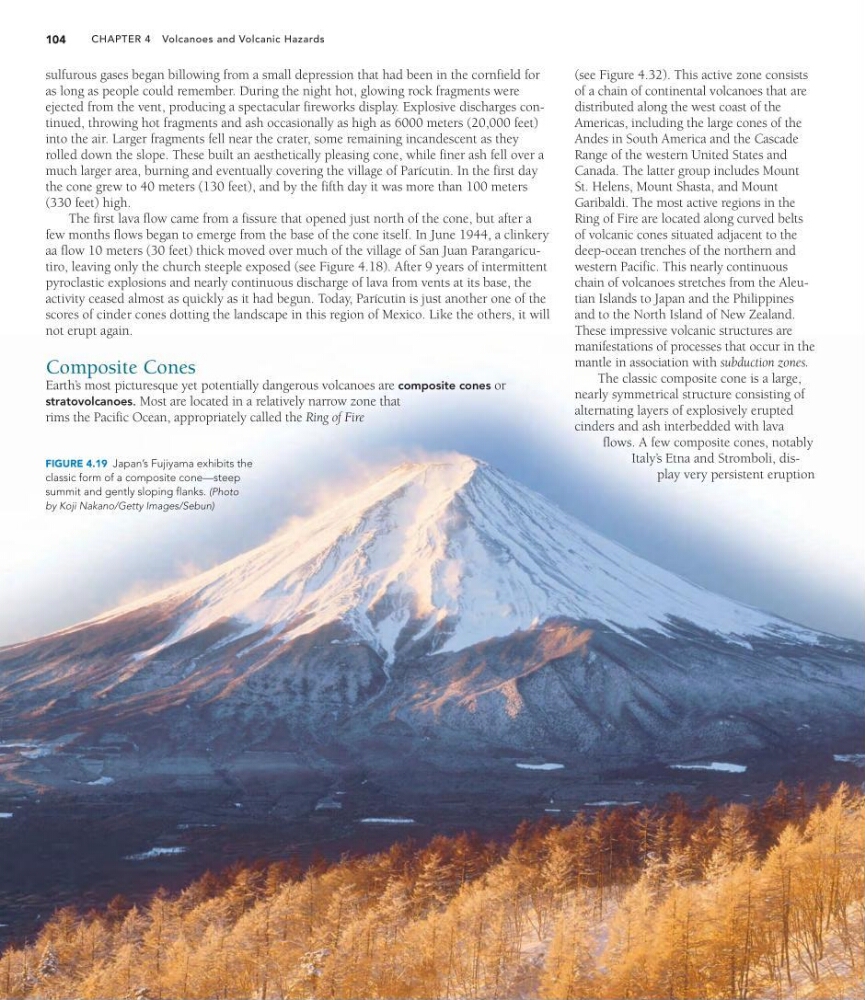
FIGURE 4.19 Japan’s Fujiyama exhibits the
classic form of a composite cone—steep
summit and gently sloping flanks. (Photo
by Koji Nakano/Getty Images/Sebun)
(see Figure 4.32). This active zone consists
of a chain of continental volcanoes that are
distributed along the west coast of the
Americas, including the large cones of the
Andes in South America and the Cascade
Range of the western United States and
Canada. The latter group includes Mount
St. Helens, Mount Shasta, and Mount
Garibaldi. The most active regions in the
Ring of Fire are located along curved belts
of volcanic cones situated adjacent to the
deep-ocean trenches of the northern and
western Pacific. This nearly continuous
chain of volcanoes stretches from the Aleutian Islands to Japan and the Philippines
and to the North Island of New Zealand.
These impressive volcanic structures are
manifestations of processes that occur in the
mantle in association with subduction zones.
The classic composite cone is a large,
nearly symmetrical structure consisting of
alternating layers of explosively erupted
cinders and ash interbedded with lava
flows. A few composite cones, notably
Italy’ s Etna and Stromboli, display very persistent eruption
104
sulfurous gases began billowing from a small depression that had been in the cornfield for
as long as people could remember. During the night hot, glowing rock fragments were
ejected from the vent, producing a spectacular fireworks display. Explosive discharges continued, throwing hot fragments and ash occasionally as high as 6000 meters (20,000 feet)
into the air. Larger fragments fell near the crater, some remaining incandescent as they
rolled down the slope. These built an aesthetically pleasing cone, while finer ash fell over a
much larger area, burning and eventually covering the village of Parícutin. In the first day
the cone grew to 40 meters (130 feet), and by the fifth day it was more than 100 meters
(330 feet) high.
The first lava flow came from a fissure that opened just north of the cone, but after a
few months flows began to emerge from the base of the cone itself. In June 1944, a clinkery
aa flow 10 meters (30 feet) thick moved over much of the village of San Juan Parangaricutiro, leaving only the church steeple exposed (see Figure 4.18). After 9 years of intermittent
pyroclastic explosions and nearly continuous discharge of lava from vents at its base, the
activity ceased almost as quickly as it had begun. Today, Parícutin is just another one of the
scores of cinder cones dotting the landscape in this region of Mexico. Like the others, it will
not erupt again.
Composite Cones
Earth’ s most picturesque yet potentially dangerous volcanoes are composite cones or
stratovolcanoes. Most are located in a relatively narrow zone that
rims the Pacific Ocean, appropriately called the Ring of Fire
FIGURE 4.19 Japan’s Fujiyama exhibits the
classic form of a composite cone—steep
summit and gently sloping flanks. (Photo
by Koji Nakano/Getty Images/Sebun)
(see Figure 4.32). This active zone consists
of a chain of continental volcanoes that are
distributed along the west coast of the
Americas, including the large cones of the
Andes in South America and the Cascade
Range of the western United States and
Canada. The latter group includes Mount
St. Helens, Mount Shasta, and Mount
Garibaldi. The most active regions in the
Ring of Fire are located along curved belts
of volcanic cones situated adjacent to the
deep-ocean trenches of the northern and
western Pacific. This nearly continuous
chain of volcanoes stretches from the Aleutian Islands to Japan and the Philippines
and to the North Island of New Zealand.
These impressive volcanic structures are
manifestations of processes that occur in the
mantle in association with subduction zones.
The classic composite cone is a large,
nearly symmetrical structure consisting of
alternating layers of explosively erupted
cinders and ash interbedded with lava
flows. A few composite cones, notably
Italy’ s Etna and Stromboli, display very persistent eruption