
 French

Permalien :
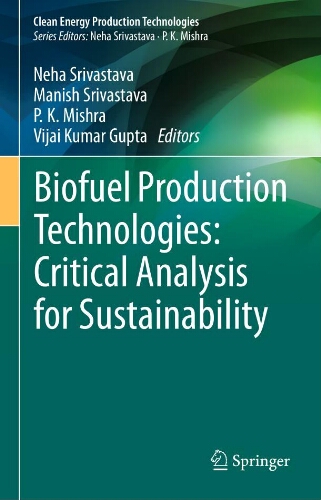
Biofuel production technologies: critical analysis for sustainability
- Date_TXT
- Singapore: Springer,2020
- Auteur
- Srivastava Neha, Srivastava Manish, Mishra P. K.
- Type de document
- Livre
Description :
Production and utilization of sustainable energy toward maintaining a clean environment is a major challenge. At the same time, the continued depletion of fossil fuels and the global dependency on non-renewable fuels is a chief concern. Moreover, the long-term economic and environmental issues associated with the high utilization of fossil fuel, such as global warming, are also important, particularly in the context of the predicted increase in the global population to around 5 billion by 2050.
In recent years, researchers have been investigating alternative, renewable fuels to replace fossil fuels. Of the various options, biofuels are especially attractive due to their low production costs and the fact that they are pollution free. Also known as transportation fuels, their energy is derived from biological resources or through the biological processes. Biofuels such as biohydrogen, biomethane, biogas, ethanol and butanol offer a number of advantages and can be economically produced from cellulosic biomass. As such, they can play a vital role in sustainably meeting future energy demands.
Biofuels have the potential to become a global primary energy source, offering significant reductions in greenhouse gas emissions as well as opportunities to increase economic and social development in rural communities and reduce the problems associated with waste disposal. However, low yields and lack of process technology are some of the aspects that need to be addressed.
This book offers an overview of existing biofuels and the technologies to solve the problems associated with their practical implementation. Evaluating the biofuel options and discussing the opportunities and risks in relation to resources, technologies, practices, markets and policy, it provides insights into the development of economically viable bioenergy industries.