

'
Entry into Inner Space
161
work time spent
decompression time
on bottom
? spent on ascent
1 8
Îu_î
1.
3
O
5
“10
G)
2
.
::
0
8
“&
1
%
î _Q_
200
0
€
“6
% 400
%
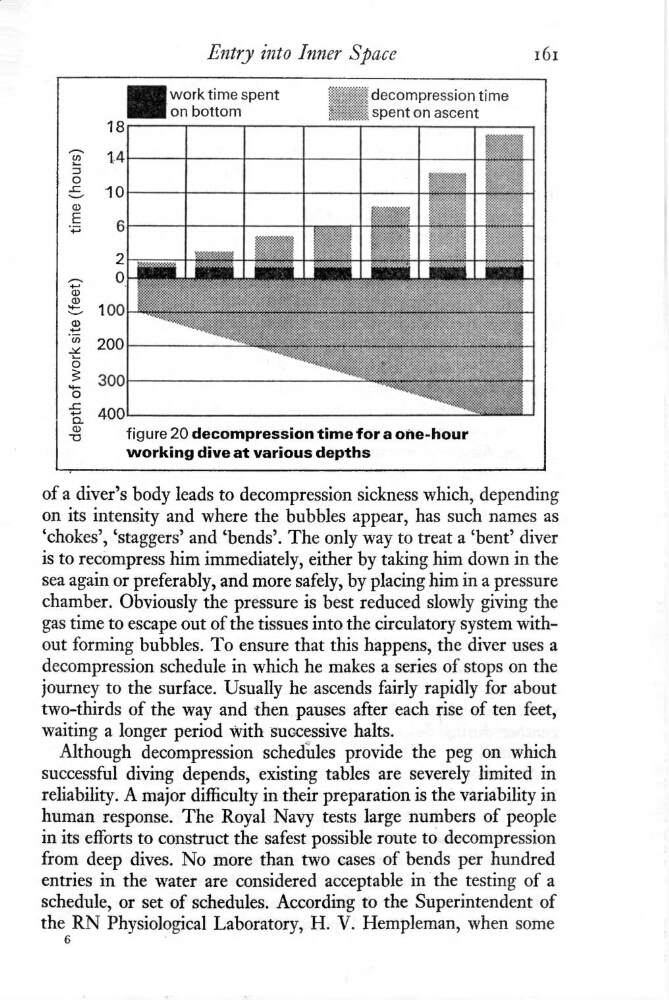
figure 20 decompression time for a che-hour
'
'
_
working diva at various depths
of a diver’s body leads to decompression sickness which, depending
on its intensity and where the bubbles appear, has such names as
‘chokes’, ‘staggers’ and ‘bends’. The only way to treat a ‘bent’ diver
is to recômpress him immediately, either by taking him down in the
sea again or preferably, and more safely, by placing him in a pressure
chamber. Obviously the pressure is best reduced slowly giving the
gas time to escape out of the tissues into the circulatory system with—
out forming bubbles. To ensure that this happens, the diver uses a
decompression schedule in which he makes a series of stops on the
journey to the surface. Usually he ascends fairly rapidly for about
two—thirds of the way and then pauses after each rise
of ten feet,
waiting a longer period With Successive halts.
“Although decompression schedules provide the peg on which
successful diving depends, existing tables are severely limited in
reliability. A major diiculty in their preparation is the variability in
human response. The Royal Navy tests large numbers of people
in its efforts to construct the safest possible route to decompression
from deep dives. No more than two cases of bends per hundred
entries in the water are considered acceptable in the testing of a
schedule, or set of schedules. According to the Superintendent of
the RN Physiological Laboratory, H. V. Hempleman, when some
6
.
Entry into Inner Space
161
work time spent
decompression time
on bottom
? spent on ascent
1 8
Îu_î
1.
3
O
5
“10
G)
2
.
::
0
8
“&
1
%
î _Q_
200
0
€
“6
% 400
%
figure 20 decompression time for a che-hour
'
'
_
working diva at various depths
of a diver’s body leads to decompression sickness which, depending
on its intensity and where the bubbles appear, has such names as
‘chokes’, ‘staggers’ and ‘bends’. The only way to treat a ‘bent’ diver
is to recômpress him immediately, either by taking him down in the
sea again or preferably, and more safely, by placing him in a pressure
chamber. Obviously the pressure is best reduced slowly giving the
gas time to escape out of the tissues into the circulatory system with—
out forming bubbles. To ensure that this happens, the diver uses a
decompression schedule in which he makes a series of stops on the
journey to the surface. Usually he ascends fairly rapidly for about
two—thirds of the way and then pauses after each rise
of ten feet,
waiting a longer period With Successive halts.
“Although decompression schedules provide the peg on which
successful diving depends, existing tables are severely limited in
reliability. A major diiculty in their preparation is the variability in
human response. The Royal Navy tests large numbers of people
in its efforts to construct the safest possible route to decompression
from deep dives. No more than two cases of bends per hundred
entries in the water are considered acceptable in the testing of a
schedule, or set of schedules. According to the Superintendent of
the RN Physiological Laboratory, H. V. Hempleman, when some
6
.