

FROZEN roons
161
The caloric
value of frozen foodstuffs remains practically constant at the temperatures
and duratrons
of storage applied in commercial practice. Only some few substances—
especrally
such susceptible
to oxidation processes—, are diminishing their content. The
behaV1our
of Vitam1n
C is shown for green beams in Figure 13 and for strawberries in
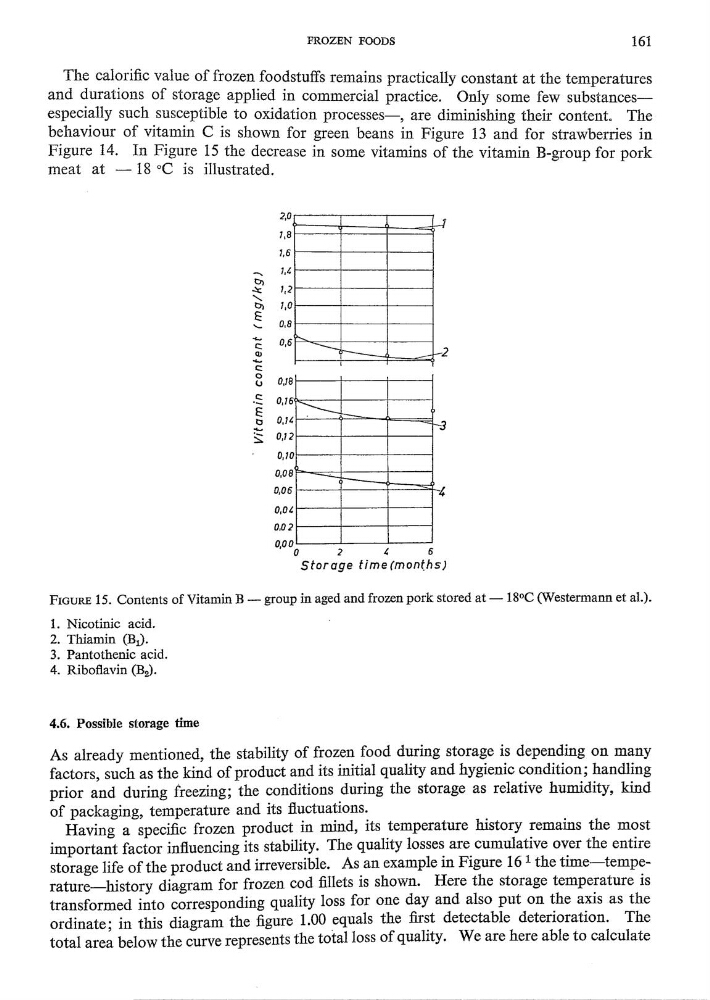
Figure 14. In F1gure 15 the decrease in some Vitamins of the vitamin B-group for pork
meat at —— 18 °C is illustrated.
za
__— .
7.8
___—S‘.—
:,s
----—
3
1.2-;,
…,-5
--È
.°:
—— '.-__ 2
Q
0
U
0.78
€ 0.14
—.—-_
3
,
”“" -—
__:
2
4
6
Storage time (months)
FIGURE 15. Contents of Vitamin B —— group in aged and frozen pork stored at — 18°C (Westermann et al.).
1. Nicotinic acid.
'
2. Thiamin (BI).
3. Pantothenic acid.
4. Riboavin (BZ).
4.6. Possible storage time
As already mentioned, the stability of frozen food during storage is depending on many
factors, such as the kind of product and its initial quality and hygienic condition; handling
prior and during freezing; the conditions during the storage as relative humidity, kind
of packaging, temperature and its uctuations.
Having a specic frozen product in mind, its temperature history remains the most
important factor inuencing its stability. The quality losses are cumulative over the entire
storage life of the product and irreversible. As an example in Figure 16 1 the time—temperature—history diagram for frozen cod llets is shown. Here the storage temperature is
transformed into corresponding quality loss for one day and also put on the
as the
ordinate; in this diagram the gure 1.00 equals
the rst
detectable detenoratron.
The
total area below the curve represents the total loss of quality. We are here able to calculate
161
The caloric
value of frozen foodstuffs remains practically constant at the temperatures
and duratrons
of storage applied in commercial practice. Only some few substances—
especrally
such susceptible
to oxidation processes—, are diminishing their content. The
behaV1our
of Vitam1n
C is shown for green beams in Figure 13 and for strawberries in
Figure 14. In F1gure 15 the decrease in some Vitamins of the vitamin B-group for pork
meat at —— 18 °C is illustrated.
za
__— .
7.8
___—S‘.—
:,s
----—
3
1.2-;,
…,-5
--È
.°:
—— '.-__ 2
Q
0
U
0.78
€ 0.14
—.—-_
3
,
”“" -—
__:
2
4
6
Storage time (months)
FIGURE 15. Contents of Vitamin B —— group in aged and frozen pork stored at — 18°C (Westermann et al.).
1. Nicotinic acid.
'
2. Thiamin (BI).
3. Pantothenic acid.
4. Riboavin (BZ).
4.6. Possible storage time
As already mentioned, the stability of frozen food during storage is depending on many
factors, such as the kind of product and its initial quality and hygienic condition; handling
prior and during freezing; the conditions during the storage as relative humidity, kind
of packaging, temperature and its uctuations.
Having a specic frozen product in mind, its temperature history remains the most
important factor inuencing its stability. The quality losses are cumulative over the entire
storage life of the product and irreversible. As an example in Figure 16 1 the time—temperature—history diagram for frozen cod llets is shown. Here the storage temperature is
transformed into corresponding quality loss for one day and also put on the
as the
ordinate; in this diagram the gure 1.00 equals
the rst
detectable detenoratron.
The
total area below the curve represents the total loss of quality. We are here able to calculate