

Roots, relevance, aims and values
43
such a TPC raises the question of how dense woody
cover was in the past, and how far present - day tree
cover deviates from the ‘ highest ever ’ value as judged
over varying reference time frames.
Using fossil pollen data and landscape modelling
software, Gillson and Duffi n (2007) estimated that, at
two study sites, woody vegetation cover had fl uctuated
between 25 per cent and 55 per cent over a 1,400 year
which they decide whether to alter their management
objectives or TPCs (Biggs & Rogers, 2003 ).
For example, concern for the impact of elephants on
trees and shrubs led to the development of a TPC for
elephant management. In essence, if woody vegetation
cover drops below 20 per cent of its ‘ highest ever
value ’ , managers will control elephant numbers by
culling or translocation, or will adjust the TPC. Using
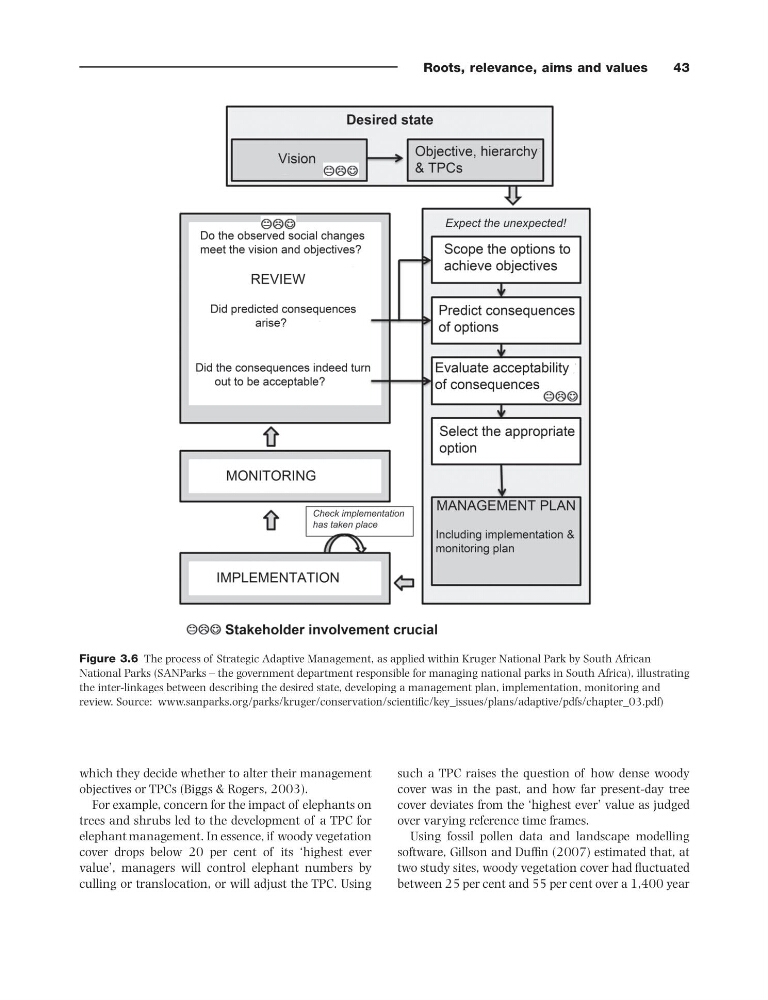
Figure 3.6 The process of Strategic Adaptive Management, as applied within Kruger National Park by South African
National Parks (SANParks – the government department responsible for managing national parks in South Africa), illustrating
the inter - linkages between describing the desired state, developing a management plan, implementation, monitoring and
review. Source: www.sanparks.org/parks/kruger/conservation/scientifi c/key_issues/plans/adaptive/pdfs/chapter_03.pdf )
43
such a TPC raises the question of how dense woody
cover was in the past, and how far present - day tree
cover deviates from the ‘ highest ever ’ value as judged
over varying reference time frames.
Using fossil pollen data and landscape modelling
software, Gillson and Duffi n (2007) estimated that, at
two study sites, woody vegetation cover had fl uctuated
between 25 per cent and 55 per cent over a 1,400 year
which they decide whether to alter their management
objectives or TPCs (Biggs & Rogers, 2003 ).
For example, concern for the impact of elephants on
trees and shrubs led to the development of a TPC for
elephant management. In essence, if woody vegetation
cover drops below 20 per cent of its ‘ highest ever
value ’ , managers will control elephant numbers by
culling or translocation, or will adjust the TPC. Using
Figure 3.6 The process of Strategic Adaptive Management, as applied within Kruger National Park by South African
National Parks (SANParks – the government department responsible for managing national parks in South Africa), illustrating
the inter - linkages between describing the desired state, developing a management plan, implementation, monitoring and
review. Source: www.sanparks.org/parks/kruger/conservation/scientifi c/key_issues/plans/adaptive/pdfs/chapter_03.pdf )