

The distribution of diversity: challenges and applications
141
Box 6.1 Some examples of species - based surrogates that have been used in
systematic conservation planning approaches
Keystone species have a disproportionate effect on the ecosystem relative to their abundance (Mills
et al ., 1993 ; Paine, 1995 ). As such, they affect the types and abundance of many other species in
a community. The identifi cation and management of these species can be important in conservation
planning (Fleishman et al ., 2000 ). The keystone concept, although intuitive, has received criticism
because it is not always clear whether ecological communities have keystone species – and even
if they do, this may be hard to demonstrate quantitatively because of the complexity of community
structure and environmental dynamics of many ecosystems (e.g. Power et al ., 1996 ; Andelman &
Fagan, 2000 ).
Focal species are, in the present context, species that are most endangered by the threatening
processes within a system (Lambeck, 1997 ; Watson et al ., 2001 ). The logic of using a focal species
is that if a conservation plan meets their minimum needs, they should capture the needs of all the
other species in that system in relation to that particular threat. This approach has, however, been
criticized by Lindenmayer et al . (2002) , who have argued: (i) that it may be too diffi cult to identify
species most affected by each threatening process because of a lack of data on all taxa, and
(ii) that the approach is over - reliant on the untested assumption that protecting the most threatened
species will inevitably protect those that that are less threatened.
Umbrella species are those species that are used as surrogates to represent the ‘ health ’ of an
ecosystem or the distribution patterns of other species; or they are species that require such extensive resources for their conservation that many other species will be protected by default. Top
predators are often used as umbrella species. There has been mixed support for the umbrella
species concept in conservation planning. Andelman and Fagan (2000) , in a study of umbrella
species of the southern Californian sage - shrub community, found that selecting areas using umbrella
surrogates performed barely better than a randomly selected set of species. However, Fleishman
et al . (2001) have reported more positive results.
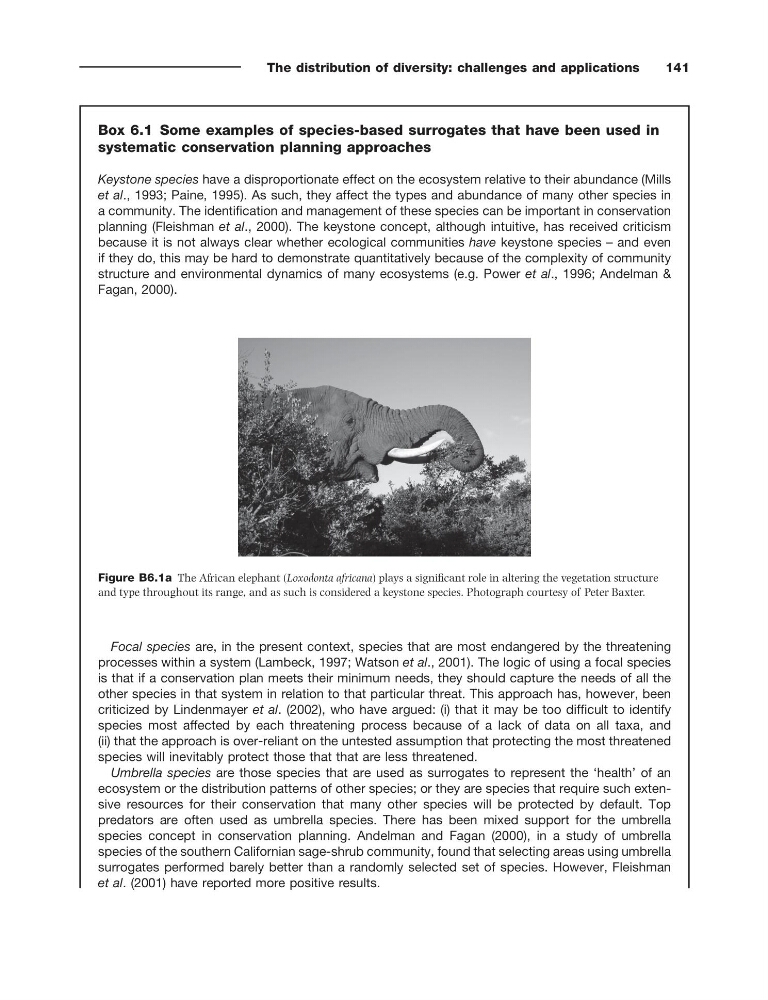
Figure B6.1a The African elephant ( Loxodonta africana ) plays a signifi cant role in altering the vegetation structure
and type throughout its range, and as such is considered a keystone species. Photograph courtesy of Peter Baxter.
141
Box 6.1 Some examples of species - based surrogates that have been used in
systematic conservation planning approaches
Keystone species have a disproportionate effect on the ecosystem relative to their abundance (Mills
et al ., 1993 ; Paine, 1995 ). As such, they affect the types and abundance of many other species in
a community. The identifi cation and management of these species can be important in conservation
planning (Fleishman et al ., 2000 ). The keystone concept, although intuitive, has received criticism
because it is not always clear whether ecological communities have keystone species – and even
if they do, this may be hard to demonstrate quantitatively because of the complexity of community
structure and environmental dynamics of many ecosystems (e.g. Power et al ., 1996 ; Andelman &
Fagan, 2000 ).
Focal species are, in the present context, species that are most endangered by the threatening
processes within a system (Lambeck, 1997 ; Watson et al ., 2001 ). The logic of using a focal species
is that if a conservation plan meets their minimum needs, they should capture the needs of all the
other species in that system in relation to that particular threat. This approach has, however, been
criticized by Lindenmayer et al . (2002) , who have argued: (i) that it may be too diffi cult to identify
species most affected by each threatening process because of a lack of data on all taxa, and
(ii) that the approach is over - reliant on the untested assumption that protecting the most threatened
species will inevitably protect those that that are less threatened.
Umbrella species are those species that are used as surrogates to represent the ‘ health ’ of an
ecosystem or the distribution patterns of other species; or they are species that require such extensive resources for their conservation that many other species will be protected by default. Top
predators are often used as umbrella species. There has been mixed support for the umbrella
species concept in conservation planning. Andelman and Fagan (2000) , in a study of umbrella
species of the southern Californian sage - shrub community, found that selecting areas using umbrella
surrogates performed barely better than a randomly selected set of species. However, Fleishman
et al . (2001) have reported more positive results.
Figure B6.1a The African elephant ( Loxodonta africana ) plays a signifi cant role in altering the vegetation structure
and type throughout its range, and as such is considered a keystone species. Photograph courtesy of Peter Baxter.