

REDUCING ENVIRONMENTS OF THE DEEP-SEA FLOOR
89
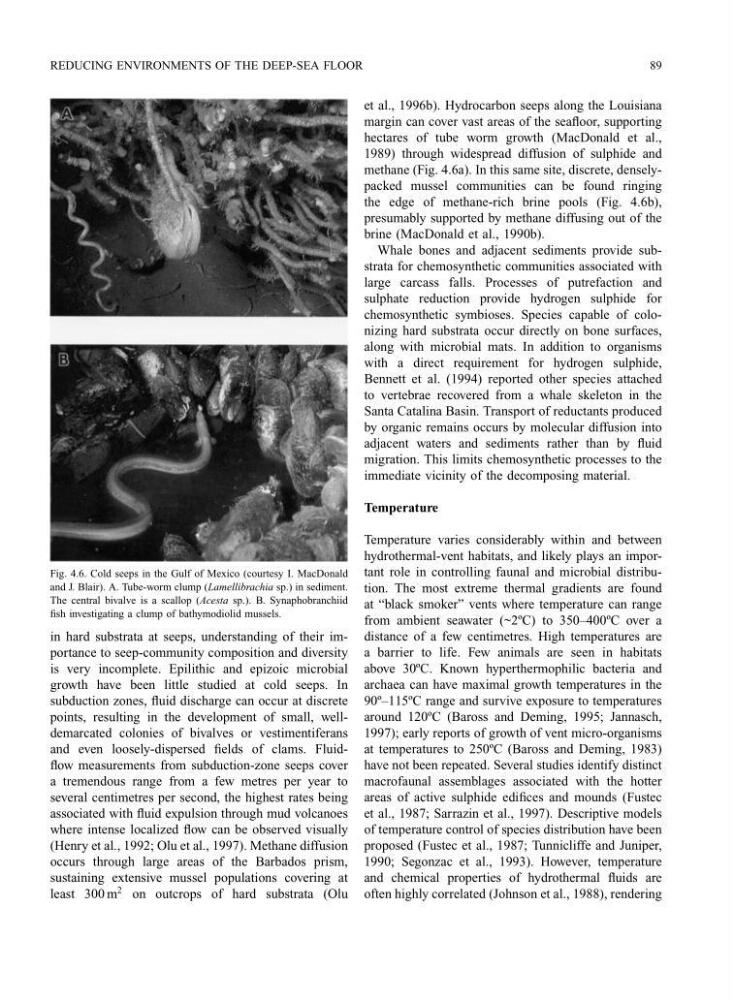
Fig. 4.6. Cold seeps in the Gulf of Mexico (courtesy I. MacDonald
and J. Blair). A. Tube-worm clump (Lamellibrachia sp.) in sediment.
The central bivalve is a scallop (Acesta sp.). B. Synaphobranchiid
fish investigating a clump of bathymodiolid mussels.
in hard substrata at seeps, understanding of their importance to seep-community composition and diversity
is very incomplete. Epilithic and epizoic microbial
growth have been little studied at cold seeps. In
subduction zones, fluid discharge can occur at discrete
points, resulting in the development of small, welldemarcated colonies of bivalves or vestimentiferans
and even loosely-dispersed fields of clams. Fluidflow measurements from subduction-zone seeps cover
a tremendous range from a few metres per year to
several centimetres per second, the highest rates being
associated with fluid expulsion through mud volcanoes
where intense localized flow can be observed visually
(Henry et al., 1992; Olu et al., 1997). Methane diffusion
occurs through large areas of the Barbados prism,
sustaining extensive mussel populations covering at
least 300 m
2 on outcrops of hard substrata (Olu
et al., 1996b). Hydrocarbon seeps along the Louisiana
margin can cover vast areas of the seafloor, supporting
hectares of tube worm growth (MacDonald et al.,
1989) through widespread diffusion of sulphide and
methane (Fig. 4.6a). In this same site, discrete, denselypacked mussel communities can be found ringing
the edge of methane-rich brine pools (Fig. 4.6b),
presumably supported by methane diffusing out of the
brine (MacDonald et al., 1990b).
Whale bones and adjacent sediments provide substrata for chemosynthetic communities associated with
large carcass falls. Processes of putrefaction and
sulphate reduction provide hydrogen sulphide for
chemosynthetic symbioses. Species capable of colonizing hard substrata occur directly on bone surfaces,
along with microbial mats. In addition to organisms
with a direct requirement for hydrogen sulphide,
Bennett et al. (1994) reported other species attached
to vertebrae recovered from a whale skeleton in the
Santa Catalina Basin. Transport of reductants produced
by organic remains occurs by molecular diffusion into
adjacent waters and sediments rather than by fluid
migration. This limits chemosynthetic processes to the
immediate vicinity of the decomposing material.
Temperature
Temperature varies considerably within and between
hydrothermal-vent habitats, and likely plays an important role in controlling faunal and microbial distribution. The most extreme thermal gradients are found
at “black smoker” vents where temperature can range
from ambient seawater (~2ºC) to 350–400ºC over a
distance of a few centimetres. High temperatures are
a barrier to life. Few animals are seen in habitats
above 30ºC. Known hyperthermophilic bacteria and
archaea can have maximal growth temperatures in the
90º–115ºC range and survive exposure to temperatures
around 120ºC (Baross and Deming, 1995; Jannasch,
1997); early reports of growth of vent micro-organisms
at temperatures to 250ºC (Baross and Deming, 1983)
have not been repeated. Several studies identify distinct
macrofaunal assemblages associated with the hotter
areas of active sulphide edifices and mounds (Fustec
et al., 1987; Sarrazin et al., 1997). Descriptive models
of temperature control of species distribution have been
proposed (Fustec et al., 1987; Tunnicliffe and Juniper,
1990; Segonzac et al., 1993). However, temperature
and chemical properties of hydrothermal fluids are
often highly correlated (Johnson et al., 1988), rendering
89
Fig. 4.6. Cold seeps in the Gulf of Mexico (courtesy I. MacDonald
and J. Blair). A. Tube-worm clump (Lamellibrachia sp.) in sediment.
The central bivalve is a scallop (Acesta sp.). B. Synaphobranchiid
fish investigating a clump of bathymodiolid mussels.
in hard substrata at seeps, understanding of their importance to seep-community composition and diversity
is very incomplete. Epilithic and epizoic microbial
growth have been little studied at cold seeps. In
subduction zones, fluid discharge can occur at discrete
points, resulting in the development of small, welldemarcated colonies of bivalves or vestimentiferans
and even loosely-dispersed fields of clams. Fluidflow measurements from subduction-zone seeps cover
a tremendous range from a few metres per year to
several centimetres per second, the highest rates being
associated with fluid expulsion through mud volcanoes
where intense localized flow can be observed visually
(Henry et al., 1992; Olu et al., 1997). Methane diffusion
occurs through large areas of the Barbados prism,
sustaining extensive mussel populations covering at
least 300 m
2 on outcrops of hard substrata (Olu
et al., 1996b). Hydrocarbon seeps along the Louisiana
margin can cover vast areas of the seafloor, supporting
hectares of tube worm growth (MacDonald et al.,
1989) through widespread diffusion of sulphide and
methane (Fig. 4.6a). In this same site, discrete, denselypacked mussel communities can be found ringing
the edge of methane-rich brine pools (Fig. 4.6b),
presumably supported by methane diffusing out of the
brine (MacDonald et al., 1990b).
Whale bones and adjacent sediments provide substrata for chemosynthetic communities associated with
large carcass falls. Processes of putrefaction and
sulphate reduction provide hydrogen sulphide for
chemosynthetic symbioses. Species capable of colonizing hard substrata occur directly on bone surfaces,
along with microbial mats. In addition to organisms
with a direct requirement for hydrogen sulphide,
Bennett et al. (1994) reported other species attached
to vertebrae recovered from a whale skeleton in the
Santa Catalina Basin. Transport of reductants produced
by organic remains occurs by molecular diffusion into
adjacent waters and sediments rather than by fluid
migration. This limits chemosynthetic processes to the
immediate vicinity of the decomposing material.
Temperature
Temperature varies considerably within and between
hydrothermal-vent habitats, and likely plays an important role in controlling faunal and microbial distribution. The most extreme thermal gradients are found
at “black smoker” vents where temperature can range
from ambient seawater (~2ºC) to 350–400ºC over a
distance of a few centimetres. High temperatures are
a barrier to life. Few animals are seen in habitats
above 30ºC. Known hyperthermophilic bacteria and
archaea can have maximal growth temperatures in the
90º–115ºC range and survive exposure to temperatures
around 120ºC (Baross and Deming, 1995; Jannasch,
1997); early reports of growth of vent micro-organisms
at temperatures to 250ºC (Baross and Deming, 1983)
have not been repeated. Several studies identify distinct
macrofaunal assemblages associated with the hotter
areas of active sulphide edifices and mounds (Fustec
et al., 1987; Sarrazin et al., 1997). Descriptive models
of temperature control of species distribution have been
proposed (Fustec et al., 1987; Tunnicliffe and Juniper,
1990; Segonzac et al., 1993). However, temperature
and chemical properties of hydrothermal fluids are
often highly correlated (Johnson et al., 1988), rendering