

660
Climatic Geomorphology
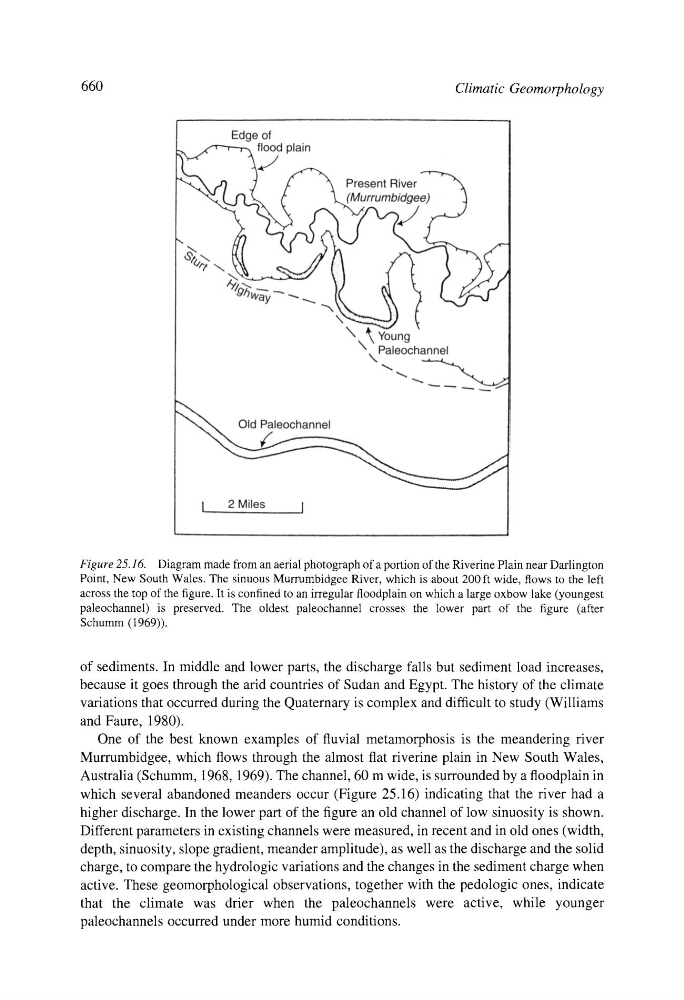
Figure 25.16. Diagram made from an aerial photograph of a portion of the Riverine Plain near Darlington
Point, New South Wales. The sinuous Murrumbidgee River, which is about 200 ft wide, flows to the left
across the top of the figure. It is confined to an irregular floodplain on which a large oxbow lake (youngest
paleochannel) is preserved. The oldest paleochannel crosses the lower part of the figure (after
Schumm (1969)).
of sediments. In middle and lower parts, the discharge falls but sediment load increases,
because it goes through the arid countries of Sudan and Egypt. The history of the climate
variations that occurred during the Quaternary is complex and difficult to study (Williams
and Faure, 1980).
One of the best known examples of fluvial metamorphosis is the meandering river
Murrumbidgee, which flows through the almost flat riverine plain in New South Wales,
Australia (Schumm, 1968, 1969). The channel, 60 m wide, is surrounded by a floodplain in
which several abandoned meanders occur (Figure 25.16) indicating that the river had a
higher discharge. In the lower part of the figure an old channel of low sinuosity is shown.
Different parameters in existing channels were measured, in recent and in old ones (width,
depth, sinuosity, slope gradient, meander amplitude), as well as the discharge and the solid
charge, to compare the hydrologic variations and the changes in the sediment charge when
active. These geomorphological observations, together with the pedologic ones, indicate
that the climate was drier when the paleochannels were active, while younger
paleochannels occurred under more humid conditions.