

Biochemical Systematics and Ecology 96 (2021) 104262
11
on sex individual and season.
3.2.1. Inter-organs variability
An examination of the organ distribution of saponins in E. sepositus
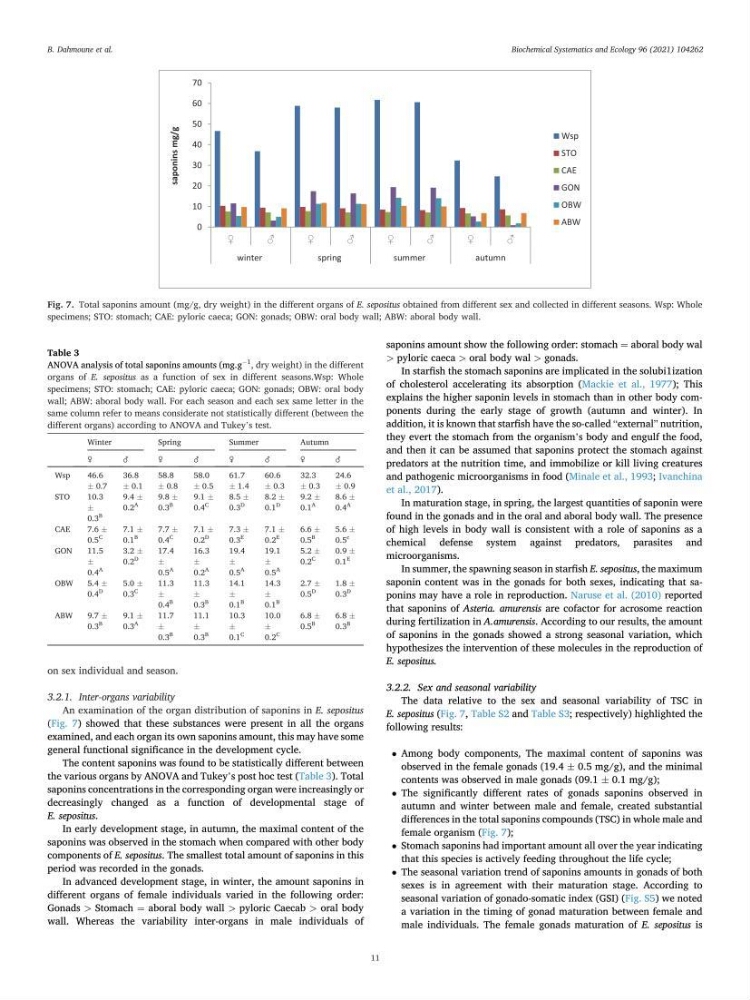
(Fig. 7) showed that these substances were present in all the organs
examined, and each organ its own saponins amount, this may have some
general functional significance in the development cycle.
The content saponins was found to be statistically different between
the various organs by ANOVA and Tukey’s post hoc test (Table 3). Total
saponins concentrations in the corresponding organ were increasingly or
decreasingly changed as a function of developmental stage of
E. sepositus.
In early development stage, in autumn, the maximal content of the
saponins was observed in the stomach when compared with other body
components of E. sepositus. The smallest total amount of saponins in this
period was recorded in the gonads.
In advanced development stage, in winter, the amount saponins in
different organs of female individuals varied in the following order:
Gonads > Stomach = aboral body wall > pyloric Caecab > oral body
wall. Whereas the variability inter-organs in male individuals of
saponins amount show the following order: stomach = aboral body wal
> pyloric caeca > oral body wal > gonads.
In starfish the stomach saponins are implicated in the solubi1ization
of cholesterol accelerating its absorption (Mackie et al., 1977); This
explains the higher saponin levels in stomach than in other body components during the early stage of growth (autumn and winter). In
addition, it is known that starfish have the so-called “external” nutrition,
they evert the stomach from the organism’s body and engulf the food,
and then it can be assumed that saponins protect the stomach against
predators at the nutrition time, and immobilize or kill living creatures
and pathogenic microorganisms in food (Minale et al., 1993; Ivanchina
et al., 2017).
In maturation stage, in spring, the largest quantities of saponin were
found in the gonads and in the oral and aboral body wall. The presence
of high levels in body wall is consistent with a role of saponins as a
chemical defense system against predators, parasites and
microorganisms.
In summer, the spawning season in starfish E. sepositus, the maximum
saponin content was in the gonads for both sexes, indicating that saponins may have a role in reproduction. Naruse et al. (2010) reported
that saponins of Asteria. amurensis are cofactor for acrosome reaction
during fertilization in A.amurensis. According to our results, the amount
of saponins in the gonads showed a strong seasonal variation, which
hypothesizes the intervention of these molecules in the reproduction of
E. sepositus.
3.2.2. Sex and seasonal variability
The data relative to the sex and seasonal variability of TSC in
E. sepositus (Fig. 7, Table S2 and Table S3; respectively) highlighted the
following results:
• Among body components, The maximal content of saponins was
observed in the female gonads (19.4 ± 0.5 mg/g), and the minimal
contents was observed in male gonads (09.1 ± 0.1 mg/g);
• The significantly different rates of gonads saponins observed in
autumn and winter between male and female, created substantial
differences in the total saponins compounds (TSC) in whole male and
female organism (Fig. 7);
• Stomach saponins had important amount all over the year indicating
that this species is actively feeding throughout the life cycle;
• The seasonal variation trend of saponins amounts in gonads of both
sexes is in agreement with their maturation stage. According to
seasonal variation of gonado-somatic index (GSI) (Fig. S5) we noted
a variation in the timing of gonad maturation between female and
male individuals. The female gonads maturation of E. sepositus is
Fig. 7. Total saponins amount (mg/g, dry weight) in the different organs of E. sepositus obtained from different sex and collected in different seasons. Wsp: Whole
specimens; STO: stomach; CAE: pyloric caeca; GON: gonads; OBW: oral body wall; ABW: aboral body wall.
Table 3
ANOVA analysis of total saponins amounts (mg.g
− 1
, dry weight) in the different
organs of E. sepositus as a function of sex in different seasons.Wsp: Whole
specimens; STO: stomach; CAE: pyloric caeca; GON: gonads; OBW: oral body
wall; ABW: aboral body wall. For each season and each sex same letter in the
same column refer to means considerate not statistically different (between the
different organs) according to ANOVA and Tukey’s test.
Winter
Spring
Summer
Autumn
♀
♂
♀
♂
♀
♂
♀
♂
Wsp
46.6
± 0.7
36.8
± 0.1
58.8
± 0.8
58.0
± 0.5
61.7
± 1.4
60.6
± 0.3
32.3
± 0.3
24.6
± 0.9
STO
10.3
±
0.3
B
9.4 ±
0.2
A
9.8 ±
0.3
B
9.1 ±
0.4
C
8.5 ±
0.3
D
8.2 ±
0.1
D
9.2 ±
0.1
A
8.6 ±
0.4
A
CAE
7.6 ±
0.5
C
7.1 ±
0.1
B
7.7 ±
0.4
C
7.1 ±
0.2
D
7.3 ±
0.3
E
7.1 ±
0.2
E
6.6 ±
0.5
B
5.6 ±
0.5
c
GON
11.5
±
0.4
A
3.2 ±
0.2
D
17.4
±
0.5
A
16.3
±
0.2
A
19.4
±
0.5
A
19.1
±
0.5
A
5.2 ±
0.2
C
0.9 ±
0.1
E
OBW
5.4 ±
0.4
D
5.0 ±
0.3
C
11.3
±
0.4
B
11.3
±
0.3
B
14.1
±
0.1
B
14.3
±
0.1
B
2.7 ±
0.5
D
1.8 ±
0.3
D
ABW
9.7 ±
0.3
B
9.1 ±
0.3
A
11.7
±
0.3
B
11.1
±
0.3
B
10.3
±
0.1
C
10.0
±
0.2
C
6.8 ±
0.5
B
6.8 ±
0.3
B
B. Dahmoune et al.
11
on sex individual and season.
3.2.1. Inter-organs variability
An examination of the organ distribution of saponins in E. sepositus
(Fig. 7) showed that these substances were present in all the organs
examined, and each organ its own saponins amount, this may have some
general functional significance in the development cycle.
The content saponins was found to be statistically different between
the various organs by ANOVA and Tukey’s post hoc test (Table 3). Total
saponins concentrations in the corresponding organ were increasingly or
decreasingly changed as a function of developmental stage of
E. sepositus.
In early development stage, in autumn, the maximal content of the
saponins was observed in the stomach when compared with other body
components of E. sepositus. The smallest total amount of saponins in this
period was recorded in the gonads.
In advanced development stage, in winter, the amount saponins in
different organs of female individuals varied in the following order:
Gonads > Stomach = aboral body wall > pyloric Caecab > oral body
wall. Whereas the variability inter-organs in male individuals of
saponins amount show the following order: stomach = aboral body wal
> pyloric caeca > oral body wal > gonads.
In starfish the stomach saponins are implicated in the solubi1ization
of cholesterol accelerating its absorption (Mackie et al., 1977); This
explains the higher saponin levels in stomach than in other body components during the early stage of growth (autumn and winter). In
addition, it is known that starfish have the so-called “external” nutrition,
they evert the stomach from the organism’s body and engulf the food,
and then it can be assumed that saponins protect the stomach against
predators at the nutrition time, and immobilize or kill living creatures
and pathogenic microorganisms in food (Minale et al., 1993; Ivanchina
et al., 2017).
In maturation stage, in spring, the largest quantities of saponin were
found in the gonads and in the oral and aboral body wall. The presence
of high levels in body wall is consistent with a role of saponins as a
chemical defense system against predators, parasites and
microorganisms.
In summer, the spawning season in starfish E. sepositus, the maximum
saponin content was in the gonads for both sexes, indicating that saponins may have a role in reproduction. Naruse et al. (2010) reported
that saponins of Asteria. amurensis are cofactor for acrosome reaction
during fertilization in A.amurensis. According to our results, the amount
of saponins in the gonads showed a strong seasonal variation, which
hypothesizes the intervention of these molecules in the reproduction of
E. sepositus.
3.2.2. Sex and seasonal variability
The data relative to the sex and seasonal variability of TSC in
E. sepositus (Fig. 7, Table S2 and Table S3; respectively) highlighted the
following results:
• Among body components, The maximal content of saponins was
observed in the female gonads (19.4 ± 0.5 mg/g), and the minimal
contents was observed in male gonads (09.1 ± 0.1 mg/g);
• The significantly different rates of gonads saponins observed in
autumn and winter between male and female, created substantial
differences in the total saponins compounds (TSC) in whole male and
female organism (Fig. 7);
• Stomach saponins had important amount all over the year indicating
that this species is actively feeding throughout the life cycle;
• The seasonal variation trend of saponins amounts in gonads of both
sexes is in agreement with their maturation stage. According to
seasonal variation of gonado-somatic index (GSI) (Fig. S5) we noted
a variation in the timing of gonad maturation between female and
male individuals. The female gonads maturation of E. sepositus is
Fig. 7. Total saponins amount (mg/g, dry weight) in the different organs of E. sepositus obtained from different sex and collected in different seasons. Wsp: Whole
specimens; STO: stomach; CAE: pyloric caeca; GON: gonads; OBW: oral body wall; ABW: aboral body wall.
Table 3
ANOVA analysis of total saponins amounts (mg.g
− 1
, dry weight) in the different
organs of E. sepositus as a function of sex in different seasons.Wsp: Whole
specimens; STO: stomach; CAE: pyloric caeca; GON: gonads; OBW: oral body
wall; ABW: aboral body wall. For each season and each sex same letter in the
same column refer to means considerate not statistically different (between the
different organs) according to ANOVA and Tukey’s test.
Winter
Spring
Summer
Autumn
♀
♂
♀
♂
♀
♂
♀
♂
Wsp
46.6
± 0.7
36.8
± 0.1
58.8
± 0.8
58.0
± 0.5
61.7
± 1.4
60.6
± 0.3
32.3
± 0.3
24.6
± 0.9
STO
10.3
±
0.3
B
9.4 ±
0.2
A
9.8 ±
0.3
B
9.1 ±
0.4
C
8.5 ±
0.3
D
8.2 ±
0.1
D
9.2 ±
0.1
A
8.6 ±
0.4
A
CAE
7.6 ±
0.5
C
7.1 ±
0.1
B
7.7 ±
0.4
C
7.1 ±
0.2
D
7.3 ±
0.3
E
7.1 ±
0.2
E
6.6 ±
0.5
B
5.6 ±
0.5
c
GON
11.5
±
0.4
A
3.2 ±
0.2
D
17.4
±
0.5
A
16.3
±
0.2
A
19.4
±
0.5
A
19.1
±
0.5
A
5.2 ±
0.2
C
0.9 ±
0.1
E
OBW
5.4 ±
0.4
D
5.0 ±
0.3
C
11.3
±
0.4
B
11.3
±
0.3
B
14.1
±
0.1
B
14.3
±
0.1
B
2.7 ±
0.5
D
1.8 ±
0.3
D
ABW
9.7 ±
0.3
B
9.1 ±
0.3
A
11.7
±
0.3
B
11.1
±
0.3
B
10.3
±
0.1
C
10.0
±
0.2
C
6.8 ±
0.5
B
6.8 ±
0.3
B
B. Dahmoune et al.