

molecule. Nitrogen molecules contain a
triple bond and, in the gas phase, N 2 does
not easily accept or donate electrons. For
nitrogen, the triple bond is the most stable,
with a bond energy of 225 kcal mol
−1 compared with 100 and 40 kcal mol
−1 for the
double and single bonds, respectively. The significant greater strength of
the triple bond in N 2 is more pronounced in nitrogen compared with other
gases; for example the triple-bond energy is less than 3-fold greater than
the single bond for oxygen. This stability of the triple bond for N 2 can be
seen in an examination of the enthalpies of formation for the different
states formed during the reaction:
N 2 + H 2 → N 2 H 2 ΔH° = +50.9 kcal mol
−1
N 2 H 2 + H 2 → N 2 H 4 ΔH° = −27.2 kcal mol
−1
(3.38)
N 2 H 4 + H 2 → 2NH 3 ΔH° = +50.9 kcal mol
−1
The difficulties overcoming the triple bond and creating abundant amounts
of ammonia at atmospheric conditions and ambient temperature have been
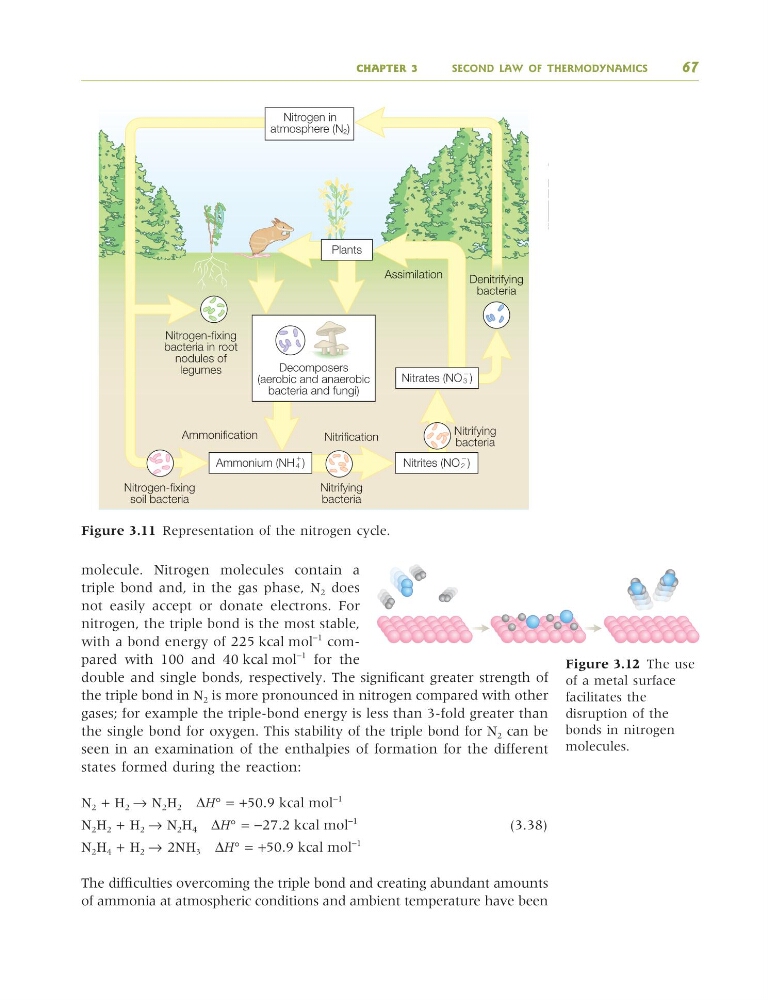
Figure 3.11 Representation of the nitrogen cycle.
CHAPTER 3
SECOND LAW OF THERMODYNAMICS
67
Nitrogen in
atmosphere (N2)
Decomposers
(aerobic and anaerobic
bacteria and fungi)
Plants
Nitrates (NO3
Ϫ )
Nitrites (NO2
Ϫ )
Ammonium (NH 4
ϩ )
Nitrification
Ammonification
Nitrifying
bacteria
Nitrogen-fixing
soil bacteria
Nitrogen-fixing
bacteria in root
nodules of
legumes
Assimilation
Nitrifying
bacteria
Denitrifying
bacteria
Figure 3.12 The use
of a metal surface
facilitates the
disruption of the
bonds in nitrogen
molecules.
9781405124362_4_003.qxd 4/29/08 10:40 Page 67
triple bond and, in the gas phase, N 2 does
not easily accept or donate electrons. For
nitrogen, the triple bond is the most stable,
with a bond energy of 225 kcal mol
−1 compared with 100 and 40 kcal mol
−1 for the
double and single bonds, respectively. The significant greater strength of
the triple bond in N 2 is more pronounced in nitrogen compared with other
gases; for example the triple-bond energy is less than 3-fold greater than
the single bond for oxygen. This stability of the triple bond for N 2 can be
seen in an examination of the enthalpies of formation for the different
states formed during the reaction:
N 2 + H 2 → N 2 H 2 ΔH° = +50.9 kcal mol
−1
N 2 H 2 + H 2 → N 2 H 4 ΔH° = −27.2 kcal mol
−1
(3.38)
N 2 H 4 + H 2 → 2NH 3 ΔH° = +50.9 kcal mol
−1
The difficulties overcoming the triple bond and creating abundant amounts
of ammonia at atmospheric conditions and ambient temperature have been
Figure 3.11 Representation of the nitrogen cycle.
CHAPTER 3
SECOND LAW OF THERMODYNAMICS
67
Nitrogen in
atmosphere (N2)
Decomposers
(aerobic and anaerobic
bacteria and fungi)
Plants
Nitrates (NO3
Ϫ )
Nitrites (NO2
Ϫ )
Ammonium (NH 4
ϩ )
Nitrification
Ammonification
Nitrifying
bacteria
Nitrogen-fixing
soil bacteria
Nitrogen-fixing
bacteria in root
nodules of
legumes
Assimilation
Nitrifying
bacteria
Denitrifying
bacteria
Figure 3.12 The use
of a metal surface
facilitates the
disruption of the
bonds in nitrogen
molecules.
9781405124362_4_003.qxd 4/29/08 10:40 Page 67