

30 ps, because the excitation energy is not
trapped on P700 but can be trapped on one
of the many chlorophylls. Electron transfer
proceeds to F X in 200 ns with subsequent
transfer most likely being sequential to F A and
then F B despite the latter step being energetically unfavorable by 60 mV. This pathway of
electron transfer from P700* to F X results in
a vectorial transfer of an electron along the
symmetry axis. Photosystem I does not need
to have a division of the branches to accommodate functionally distinctive quinones.
This raises the question of whether the electron transfer is asymmetric along the two
branches. The interpretation of many mutagenesis and spectroscopic studies in terms of
the asymmetry of electron transfer remains
an open question.
WATER OXIDATION
The ability of photosynthetic organisms to
generate molecular oxygen from water, as
originally demonstrated by Joseph Priestly
in the 1770s, remains a fascinating area of
research in photosynthesis. The ability of
organisms to oxidize water represented a
significant development in the Earth’s history.
When anoxygenic bacteria, the precursors
to the modern purple bacteria, evolved into
organisms that possessed this new capacity,
the Earth’s atmosphere changed from containing reduced gases to having a significant
amount of oxygen. The presence of oxygen
set the stage for the development of respiration in organisms as well as altering the
oxidation states of minerals on the Earth. How
plants and cyanobacteria generate oxygen
remains an unsolved mystery at a molecular level, which is actively being
investigated in many laboratories. Although water can be oxidized readily
using electrodes, this reaction only occurs at a substantial energy expense,
which makes the process unpractical for the economical delivery of
hydrogen for use as fuel (Chapter 12). Therefore, an understanding of the
biological process would have both intellectual and practical implications.
430
PART 3
UNDERSTANDING BIOLOGICAL SYSTEMS USING PHYSICAL CHEMISTRY
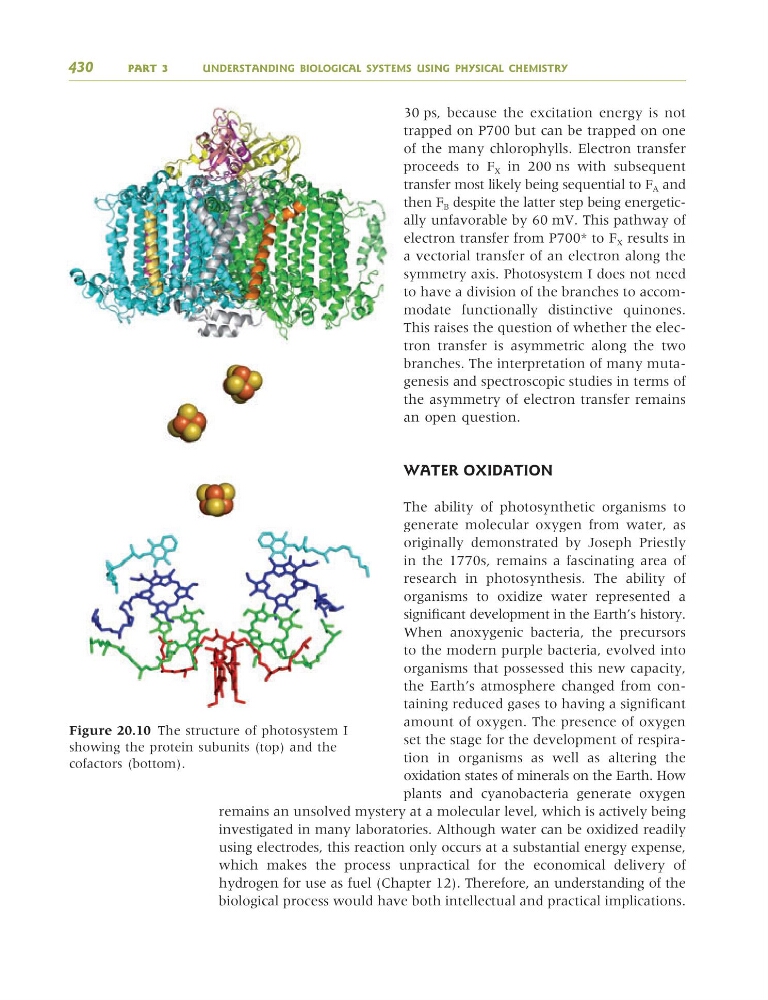
Figure 20.10 The structure of photosystem I
showing the protein subunits (top) and the
cofactors (bottom).
9781405124362_4_020.qxd 4/29/08 14:08 Page 430
trapped on P700 but can be trapped on one
of the many chlorophylls. Electron transfer
proceeds to F X in 200 ns with subsequent
transfer most likely being sequential to F A and
then F B despite the latter step being energetically unfavorable by 60 mV. This pathway of
electron transfer from P700* to F X results in
a vectorial transfer of an electron along the
symmetry axis. Photosystem I does not need
to have a division of the branches to accommodate functionally distinctive quinones.
This raises the question of whether the electron transfer is asymmetric along the two
branches. The interpretation of many mutagenesis and spectroscopic studies in terms of
the asymmetry of electron transfer remains
an open question.
WATER OXIDATION
The ability of photosynthetic organisms to
generate molecular oxygen from water, as
originally demonstrated by Joseph Priestly
in the 1770s, remains a fascinating area of
research in photosynthesis. The ability of
organisms to oxidize water represented a
significant development in the Earth’s history.
When anoxygenic bacteria, the precursors
to the modern purple bacteria, evolved into
organisms that possessed this new capacity,
the Earth’s atmosphere changed from containing reduced gases to having a significant
amount of oxygen. The presence of oxygen
set the stage for the development of respiration in organisms as well as altering the
oxidation states of minerals on the Earth. How
plants and cyanobacteria generate oxygen
remains an unsolved mystery at a molecular level, which is actively being
investigated in many laboratories. Although water can be oxidized readily
using electrodes, this reaction only occurs at a substantial energy expense,
which makes the process unpractical for the economical delivery of
hydrogen for use as fuel (Chapter 12). Therefore, an understanding of the
biological process would have both intellectual and practical implications.
430
PART 3
UNDERSTANDING BIOLOGICAL SYSTEMS USING PHYSICAL CHEMISTRY
Figure 20.10 The structure of photosystem I
showing the protein subunits (top) and the
cofactors (bottom).
9781405124362_4_020.qxd 4/29/08 14:08 Page 430