

A second approach is to use solid-state NMR (McDermott 2004). The
protein is no longer in solution and so does not tumble, and a broad
distribution would be seen due to the anisotropy of the chemical shift.
However, the contribution can be eliminated with spinning of the sample
at the magic angle of 54.74° (Figure 16.12). At this angle, the dipole–
dipole dependence of 1–3 cos
2
θ gives an average value of zero and so there
is no contribution to the spectrum. The application of this technique requires
that the rotation frequency be not less than the width of the spectrum.
This requires the use of kilohertz rotation frequencies for the sample in
the magnet, which are achieved with the use of gas-driven spinners.
Together, the development of these techniques for NMR provides the
opportunity to address a major question in proteomics, namely how to
356
PART 2
QUANTUM MECHANICS AND SPECTROSCOPY
0.2
26
25
27
1.2
1.0
0.8
0.6
0.4
13C
(ppm)
1 H (ppm)
(c)
14
12
10
16
1.0
0.8
0.6
0.4
13C
(ppm)
1
H (ppm)
(b)
(a)
1.2
1.0
0.8
0.6
0.4
1 H (ppm)
(d)
(e)
1.2
1.0
0.8
0.6
0.4
1
H (ppm)
L192 δ1
L148 δ1
L233 δ1
L201 δ1
L192 δ2
L207 δ2
L136 δ2
L148 δ2
L184 δ1
L178 δ1
L47 δ1
L81 δ
L47 δ1
L38 δ1
L81 δ
L48 δ1
L58 δ
L197 δ2
L233 δ2
L192 δ1
L207 δ1
L148 δ1
L106 δ1
L197 δ2
L176 δ1
L148 δ2
L136 δ2
L192 δ2
L184 δ1
L136 δ1
L136 δ2
L112 δ2
L192 δ1
L207 δ1
I157 δ1
I109 δ1
I233 δ1
I141 δ1
I165 δ1
I215 δ1
I212 δ1 I137 δ1
I49 δ1
I59 δ1
I67 δ1
I94 δ1
670-kDa α7β7β7α7 20S proteasome
670-kDa α7β7β7α7 20S proteasome CP
360-kDa α7α7 double ring
360-kDa α7α7 double ring
21-kDa αmonomer
21-kDa αmonomer
670-kDa α7β7β7α7 CP
I64 δ1
I70 δ1
L197 δ2
L106 δ1
L148 δ1
L176 δ1
L207 δ2
L201 δ1
L148 δ2
L47 δ1
L88 δ1
L38 δ1
L48 δ1
L69 δ1
unassigned
L233 δ1
L112 δ2
L192 δ2
L207 δ2
L184 δ1
L201 δ1
L48 δ1
L47 δ1
L69 δ1
L38 δ1
L58 δ
L207 δ1
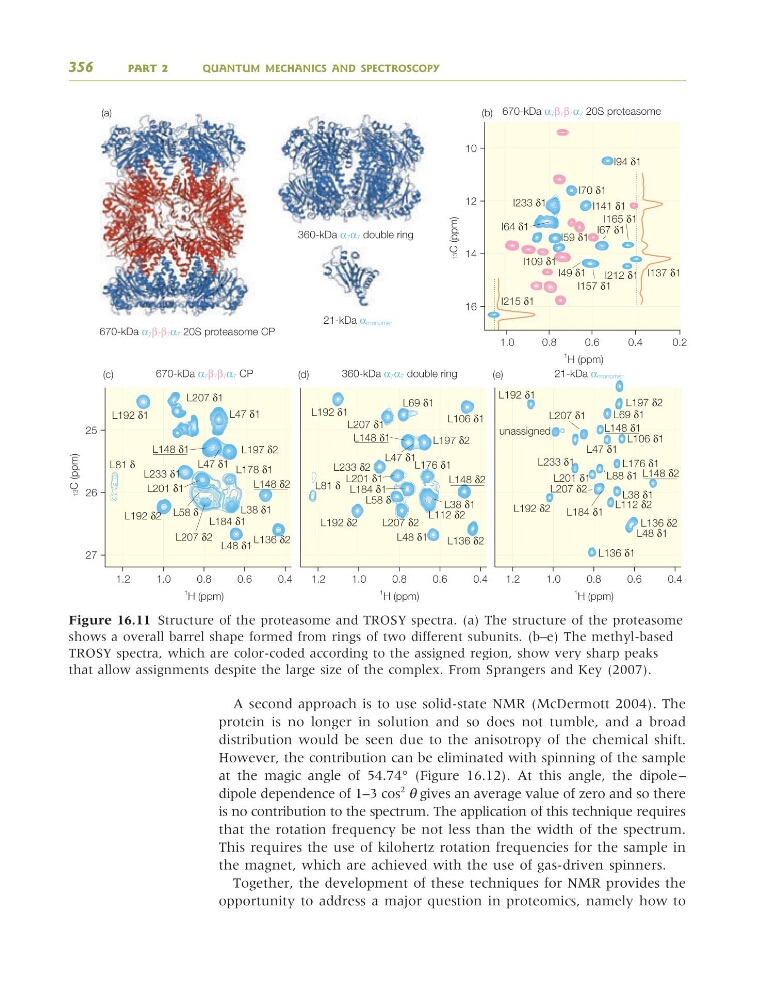
Figure 16.11 Structure of the proteasome and TROSY spectra. (a) The structure of the proteasome
shows a overall barrel shape formed from rings of two different subunits. (b–e) The methyl-based
TROSY spectra, which are color-coded according to the assigned region, show very sharp peaks
that allow assignments despite the large size of the complex. From Sprangers and Key (2007).
9781405124362_4_016.qxd 4/29/08 10:45 Page 356
protein is no longer in solution and so does not tumble, and a broad
distribution would be seen due to the anisotropy of the chemical shift.
However, the contribution can be eliminated with spinning of the sample
at the magic angle of 54.74° (Figure 16.12). At this angle, the dipole–
dipole dependence of 1–3 cos
2
θ gives an average value of zero and so there
is no contribution to the spectrum. The application of this technique requires
that the rotation frequency be not less than the width of the spectrum.
This requires the use of kilohertz rotation frequencies for the sample in
the magnet, which are achieved with the use of gas-driven spinners.
Together, the development of these techniques for NMR provides the
opportunity to address a major question in proteomics, namely how to
356
PART 2
QUANTUM MECHANICS AND SPECTROSCOPY
0.2
26
25
27
1.2
1.0
0.8
0.6
0.4
13C
(ppm)
1 H (ppm)
(c)
14
12
10
16
1.0
0.8
0.6
0.4
13C
(ppm)
1
H (ppm)
(b)
(a)
1.2
1.0
0.8
0.6
0.4
1 H (ppm)
(d)
(e)
1.2
1.0
0.8
0.6
0.4
1
H (ppm)
L192 δ1
L148 δ1
L233 δ1
L201 δ1
L192 δ2
L207 δ2
L136 δ2
L148 δ2
L184 δ1
L178 δ1
L47 δ1
L81 δ
L47 δ1
L38 δ1
L81 δ
L48 δ1
L58 δ
L197 δ2
L233 δ2
L192 δ1
L207 δ1
L148 δ1
L106 δ1
L197 δ2
L176 δ1
L148 δ2
L136 δ2
L192 δ2
L184 δ1
L136 δ1
L136 δ2
L112 δ2
L192 δ1
L207 δ1
I157 δ1
I109 δ1
I233 δ1
I141 δ1
I165 δ1
I215 δ1
I212 δ1 I137 δ1
I49 δ1
I59 δ1
I67 δ1
I94 δ1
670-kDa α7β7β7α7 20S proteasome
670-kDa α7β7β7α7 20S proteasome CP
360-kDa α7α7 double ring
360-kDa α7α7 double ring
21-kDa αmonomer
21-kDa αmonomer
670-kDa α7β7β7α7 CP
I64 δ1
I70 δ1
L197 δ2
L106 δ1
L148 δ1
L176 δ1
L207 δ2
L201 δ1
L148 δ2
L47 δ1
L88 δ1
L38 δ1
L48 δ1
L69 δ1
unassigned
L233 δ1
L112 δ2
L192 δ2
L207 δ2
L184 δ1
L201 δ1
L48 δ1
L47 δ1
L69 δ1
L38 δ1
L58 δ
L207 δ1
Figure 16.11 Structure of the proteasome and TROSY spectra. (a) The structure of the proteasome
shows a overall barrel shape formed from rings of two different subunits. (b–e) The methyl-based
TROSY spectra, which are color-coded according to the assigned region, show very sharp peaks
that allow assignments despite the large size of the complex. From Sprangers and Key (2007).
9781405124362_4_016.qxd 4/29/08 10:45 Page 356