

214
PART 2
QUANTUM MECHANICS AND SPECTROSCOPY
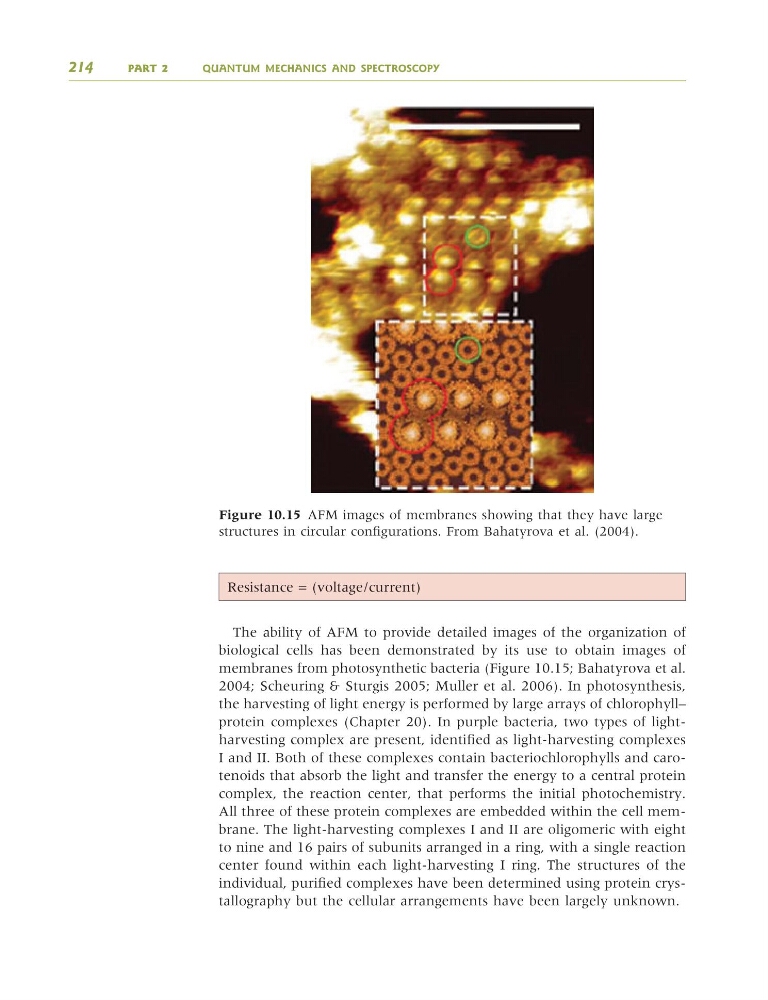
Figure 10.15 AFM images of membranes showing that they have large
structures in circular configurations. From Bahatyrova et al. (2004).
Resistance = (voltage/current)
The ability of AFM to provide detailed images of the organization of
biological cells has been demonstrated by its use to obtain images of
membranes from photosynthetic bacteria (Figure 10.15; Bahatyrova et al.
2004; Scheuring & Sturgis 2005; Muller et al. 2006). In photosynthesis,
the harvesting of light energy is performed by large arrays of chlorophyll–
protein complexes (Chapter 20). In purple bacteria, two types of lightharvesting complex are present, identified as light-harvesting complexes
I and II. Both of these complexes contain bacteriochlorophylls and carotenoids that absorb the light and transfer the energy to a central protein
complex, the reaction center, that performs the initial photochemistry.
All three of these protein complexes are embedded within the cell membrane. The light-harvesting complexes I and II are oligomeric with eight
to nine and 16 pairs of subunits arranged in a ring, with a single reaction
center found within each light-harvesting I ring. The structures of the
individual, purified complexes have been determined using protein crystallography but the cellular arrangements have been largely unknown.
9781405124362_4_010.qxd 4/29/08 13:09 Page 214
PART 2
QUANTUM MECHANICS AND SPECTROSCOPY
Figure 10.15 AFM images of membranes showing that they have large
structures in circular configurations. From Bahatyrova et al. (2004).
Resistance = (voltage/current)
The ability of AFM to provide detailed images of the organization of
biological cells has been demonstrated by its use to obtain images of
membranes from photosynthetic bacteria (Figure 10.15; Bahatyrova et al.
2004; Scheuring & Sturgis 2005; Muller et al. 2006). In photosynthesis,
the harvesting of light energy is performed by large arrays of chlorophyll–
protein complexes (Chapter 20). In purple bacteria, two types of lightharvesting complex are present, identified as light-harvesting complexes
I and II. Both of these complexes contain bacteriochlorophylls and carotenoids that absorb the light and transfer the energy to a central protein
complex, the reaction center, that performs the initial photochemistry.
All three of these protein complexes are embedded within the cell membrane. The light-harvesting complexes I and II are oligomeric with eight
to nine and 16 pairs of subunits arranged in a ring, with a single reaction
center found within each light-harvesting I ring. The structures of the
individual, purified complexes have been determined using protein crystallography but the cellular arrangements have been largely unknown.
9781405124362_4_010.qxd 4/29/08 13:09 Page 214