

RAOULT’S LAW
Vapor pressure is the pressure due to molecule A that would be generated if the gas and the liquid states of this molecule were allowed to reach
equilibrium in a closed system. Consider a system that contains only a
pure state of molecule A. At equilibrium, the chemical potential of the gas
phase, μ
0 (gas), is equal to the chemical potential of the liquid state, μ
0
(liquid). The chemical potential of the gas state, and hence also the liquid
state, can be written in terms of the chemical potential under standard
conditions and the ratio of the given and standard pressures:
(4.21)
If there are two liquids mixed together, the chemical potential of molecule A will depend upon the partial pressure associated with molecule A:
(4.22)
Now consider the difference in the chemical potentials for the pure and
mixed liquid states:
(4.23)
=
+
⎛
⎝
⎜
⎜
⎞
⎠
⎟
⎟
(
)
ln
μ pure
pure
RT
P
P
liquid
A
μ
μ
A
A
liquid
liquid
(
)
(
)
ln
=
+
⎛
⎝
⎜ ⎜
⎞
⎠
pure
RT
P
P
0
⎟ ⎟ ⎟ −
⎛
⎝
⎜
⎜
⎞
⎠
⎟
⎟
ln
RT
P
P
pure
0
μ
μ
μ
A
A
A
liquid
liquid
(
)
(
)
ln
−
=
+
⎛
⎝
pure
RT
P
P
0
0
⎜ ⎜ ⎜
⎞
⎠
⎟ ⎟ −
−
⎛
⎝
⎜
⎜
⎞
⎠
⎟
⎟
ln
μ A
0
0
RT
P
P
pure
μ
μ
μ
A
A
A
A
gas
liqui
( )
ln
(
=
+
⎛
⎝
⎜ ⎜
⎞
⎠
⎟ ⎟ =
0
0
RT
P
P
d d)
μ
μ
μ
pure
pure
p
RT
P
P
( )
ln
gas
A
=
+
⎛
⎝
⎜
⎜
⎞
⎠
⎟
⎟ =
0
0
u ure (liquid)
CHAPTER 4
PHASE DIAGRAMS AND MIXTURES
85
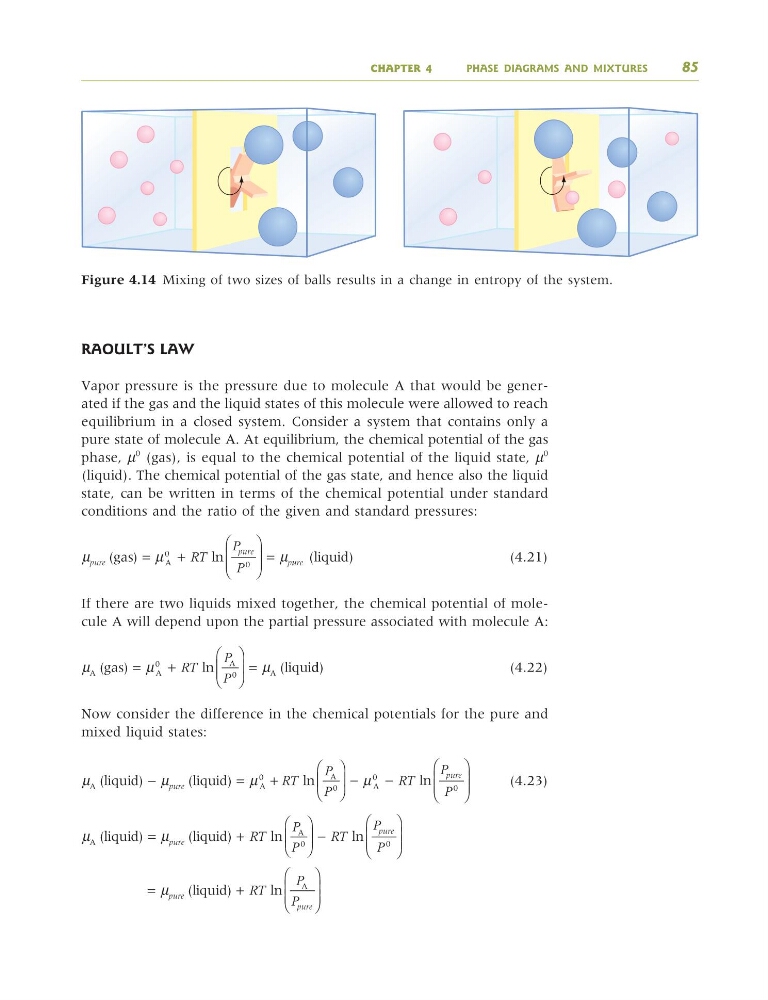
Figure 4.14 Mixing of two sizes of balls results in a change in entropy of the system.
9781405124362_4_004.qxd 4/29/08 9:08 Page 85
Vapor pressure is the pressure due to molecule A that would be generated if the gas and the liquid states of this molecule were allowed to reach
equilibrium in a closed system. Consider a system that contains only a
pure state of molecule A. At equilibrium, the chemical potential of the gas
phase, μ
0 (gas), is equal to the chemical potential of the liquid state, μ
0
(liquid). The chemical potential of the gas state, and hence also the liquid
state, can be written in terms of the chemical potential under standard
conditions and the ratio of the given and standard pressures:
(4.21)
If there are two liquids mixed together, the chemical potential of molecule A will depend upon the partial pressure associated with molecule A:
(4.22)
Now consider the difference in the chemical potentials for the pure and
mixed liquid states:
(4.23)
=
+
⎛
⎝
⎜
⎜
⎞
⎠
⎟
⎟
(
)
ln
μ pure
pure
RT
P
P
liquid
A
μ
μ
A
A
liquid
liquid
(
)
(
)
ln
=
+
⎛
⎝
⎜ ⎜
⎞
⎠
pure
RT
P
P
0
⎟ ⎟ ⎟ −
⎛
⎝
⎜
⎜
⎞
⎠
⎟
⎟
ln
RT
P
P
pure
0
μ
μ
μ
A
A
A
liquid
liquid
(
)
(
)
ln
−
=
+
⎛
⎝
pure
RT
P
P
0
0
⎜ ⎜ ⎜
⎞
⎠
⎟ ⎟ −
−
⎛
⎝
⎜
⎜
⎞
⎠
⎟
⎟
ln
μ A
0
0
RT
P
P
pure
μ
μ
μ
A
A
A
A
gas
liqui
( )
ln
(
=
+
⎛
⎝
⎜ ⎜
⎞
⎠
⎟ ⎟ =
0
0
RT
P
P
d d)
μ
μ
μ
pure
pure
p
RT
P
P
( )
ln
gas
A
=
+
⎛
⎝
⎜
⎜
⎞
⎠
⎟
⎟ =
0
0
u ure (liquid)
CHAPTER 4
PHASE DIAGRAMS AND MIXTURES
85
Figure 4.14 Mixing of two sizes of balls results in a change in entropy of the system.
9781405124362_4_004.qxd 4/29/08 9:08 Page 85