

necessary because mariners and others who are trying to make decisions based on the
data should keep in mind that the data might be wrong (e.g., through data drift or other
mechanical problem), and to thus make their decisions carefully. However, because of
the CREWS suite of expert systems, notice is usually given automatically when data
look suspect, and the maintainer is usually able to attend to a failing or drifting
instrument in a timely fashion.
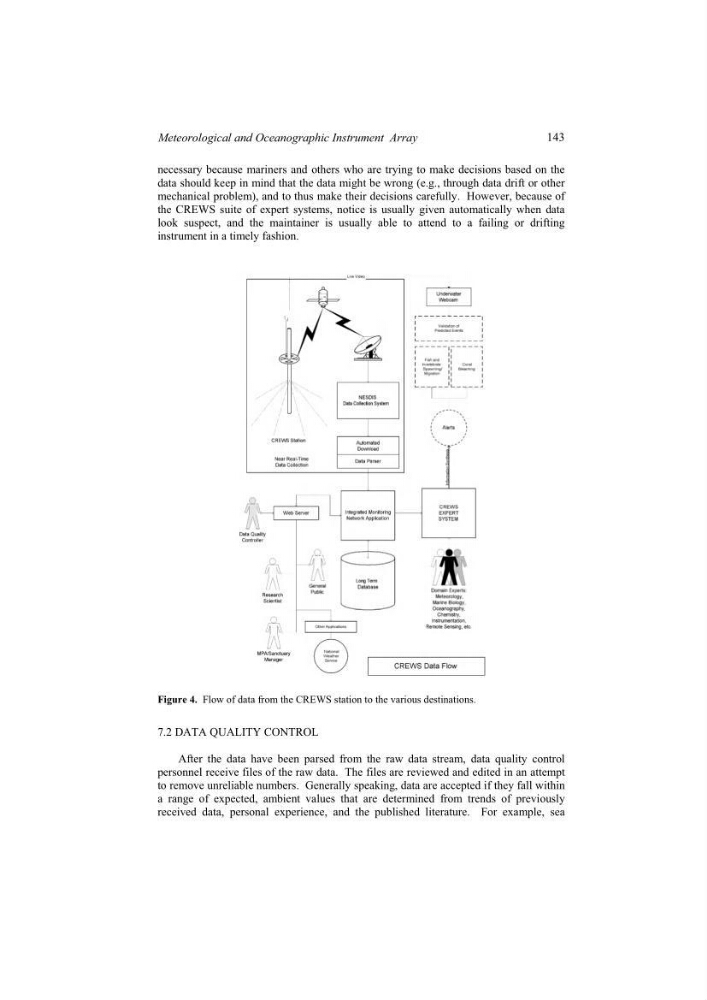
Figure 4. Flow of data from the CREWS station to the various destinations.
7.2 DATA QUALITY CONTROL
After the data have been parsed from the raw data stream, data quality control
personnel receive files of the raw data. The files are reviewed and edited in an attempt
to remove unreliable numbers. Generally speaking, data are accepted if they fall within
a range of expected, ambient values that are determined from trends of previously
received data, personal experience, and the published literature. For example, sea
143
Meteorological and Oceanographic Instrument Array
data should keep in mind that the data might be wrong (e.g., through data drift or other
mechanical problem), and to thus make their decisions carefully. However, because of
the CREWS suite of expert systems, notice is usually given automatically when data
look suspect, and the maintainer is usually able to attend to a failing or drifting
instrument in a timely fashion.
Figure 4. Flow of data from the CREWS station to the various destinations.
7.2 DATA QUALITY CONTROL
After the data have been parsed from the raw data stream, data quality control
personnel receive files of the raw data. The files are reviewed and edited in an attempt
to remove unreliable numbers. Generally speaking, data are accepted if they fall within
a range of expected, ambient values that are determined from trends of previously
received data, personal experience, and the published literature. For example, sea
143
Meteorological and Oceanographic Instrument Array