

272
compared to the manual count total of 458, so the automatic count underestimated
the number of birds in the flock by c.18%. This disparity between the two counts was
primarily a consequence of overlapping birds counting as a single object during the
automatic count process. However, it is also likely that the lower 500 pixel size
threshold for the automatic count excluded some of the birds partially represented on
the edge of the image. These birds would have contributed to the manual count total.
In the case of larger flocks, it would also be possible to look through the pixel
sizes in the Excel results spreadsheet and generate a more accurate estimate of how
many birds were present in the image, as illustrated for the Starling murmuration in
Case Study 2 (Fig. 16).
An Automatic Count of Golden Plovers (Pluvialis apricaria)
in Flight over Farmland Near Castlemartin, Pembrokeshire, UK
The Golden Plover is a sociable species that can form large flocks and favours farmland for winter feeding. The birds are typically well spaced when moving between
feeding sites, or drifting over a favoured feeding area after being disturbed, though
overlapping birds are common in images of birds taking to flight. Figs. 5 and 17
show a large, well-spaced, single-species flock of Golden Plovers set against a plain
sky background: this ticks all of the boxes for an accurate automatic count in
ImageJ. Text Box 6 outlines the process and settings used to generate an automatic
count of the Golden Plovers in Fig. 5.
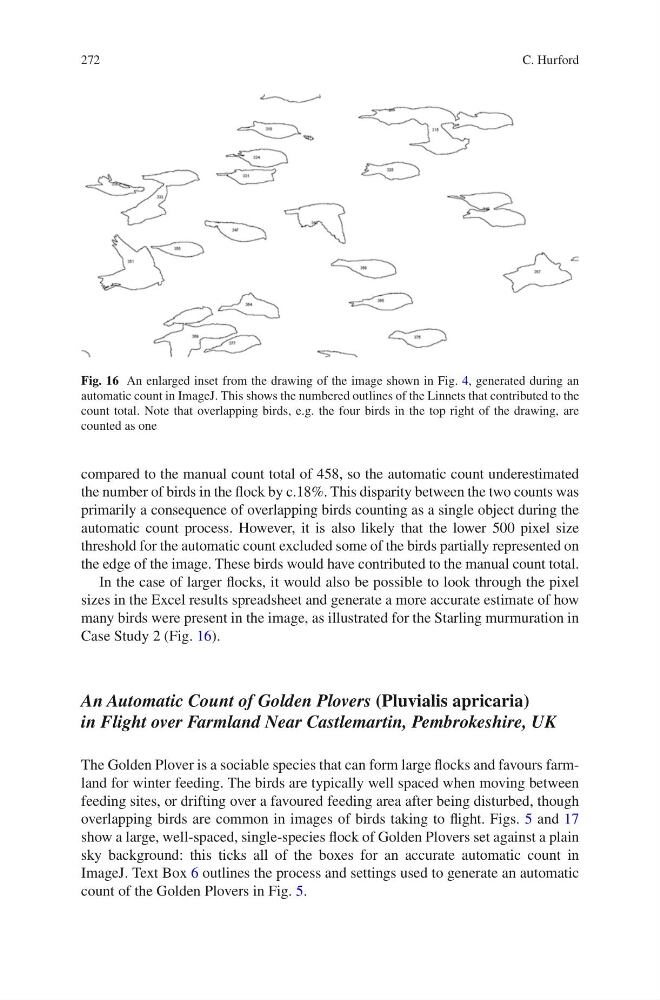
Fig. 16 An enlarged inset from the drawing of the image shown in Fig. 4, generated during an
automatic count in ImageJ. This shows the numbered outlines of the Linnets that contributed to the
count total. Note that overlapping birds, e.g. the four birds in the top right of the drawing, are
counted as one
C. Hurford
compared to the manual count total of 458, so the automatic count underestimated
the number of birds in the flock by c.18%. This disparity between the two counts was
primarily a consequence of overlapping birds counting as a single object during the
automatic count process. However, it is also likely that the lower 500 pixel size
threshold for the automatic count excluded some of the birds partially represented on
the edge of the image. These birds would have contributed to the manual count total.
In the case of larger flocks, it would also be possible to look through the pixel
sizes in the Excel results spreadsheet and generate a more accurate estimate of how
many birds were present in the image, as illustrated for the Starling murmuration in
Case Study 2 (Fig. 16).
An Automatic Count of Golden Plovers (Pluvialis apricaria)
in Flight over Farmland Near Castlemartin, Pembrokeshire, UK
The Golden Plover is a sociable species that can form large flocks and favours farmland for winter feeding. The birds are typically well spaced when moving between
feeding sites, or drifting over a favoured feeding area after being disturbed, though
overlapping birds are common in images of birds taking to flight. Figs. 5 and 17
show a large, well-spaced, single-species flock of Golden Plovers set against a plain
sky background: this ticks all of the boxes for an accurate automatic count in
ImageJ. Text Box 6 outlines the process and settings used to generate an automatic
count of the Golden Plovers in Fig. 5.
Fig. 16 An enlarged inset from the drawing of the image shown in Fig. 4, generated during an
automatic count in ImageJ. This shows the numbered outlines of the Linnets that contributed to the
count total. Note that overlapping birds, e.g. the four birds in the top right of the drawing, are
counted as one
C. Hurford