

6 Safe and Nutritious Aquaculture Produce
197
including desaturation and elongation, acylation into phospholipids and production
of eicosanoids (Lands et al. 1992; Lands 1992). The competitive interaction
between ARA and EPA for incorporation into membrane phospholipids has been
demonstrated in fish (Bell et al. 1989) and in mammals (Lands 2003) and is the
basis for the anti-inflammatory activity of EPA and marine fish oils. The importance of maintaining low levels of tissue n-6 HUFA, especially ARA, is shown in
the data of Lands (2003) where the positive correlation between tissue n-6 HUFA
and CHD mortality is clearly demonstrated (Fig. 6.2).
However, while there has been a great deal of research conducted on the benefits
of fish and fish oils on cardiovascular disease, there is also more recent research
which has investigated many more disease conditions with an inflammatory pathology that may respond to n-3 HUFA supplementation. The fatty acid composition of
inflammatory and immune cells is closely linked to the dietary fatty acid composition and thus provides a link between diet, inflammation and immune function
(Calder 2001; Yaqoob 2004). In conditions with an inflammatory or auto-immune
component, results following supplementation with marine fish oils have generally
been positive. In the case of rheumatoid arthritis improvements observed included
reduced stiffness and joint pain, increased grip strength and reduced reliance on
non-steroidal anti-inflammatory drugs (James and Cleland 1997; Calder and Zurier
2001). Dietary supplementation with n-3 fatty acids has also shown benefits for
dyslipidemia, insulin resistance, glucose homeostasis, diabetes and obesity in
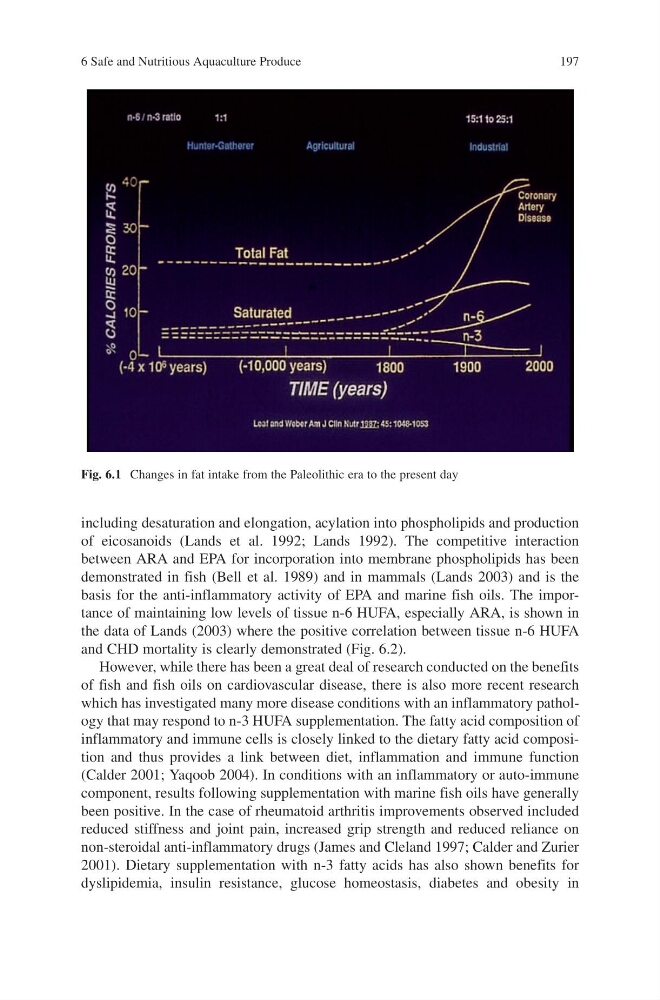
Fig. 6.1 Changes in fat intake from the Paleolithic era to the present day
197
including desaturation and elongation, acylation into phospholipids and production
of eicosanoids (Lands et al. 1992; Lands 1992). The competitive interaction
between ARA and EPA for incorporation into membrane phospholipids has been
demonstrated in fish (Bell et al. 1989) and in mammals (Lands 2003) and is the
basis for the anti-inflammatory activity of EPA and marine fish oils. The importance of maintaining low levels of tissue n-6 HUFA, especially ARA, is shown in
the data of Lands (2003) where the positive correlation between tissue n-6 HUFA
and CHD mortality is clearly demonstrated (Fig. 6.2).
However, while there has been a great deal of research conducted on the benefits
of fish and fish oils on cardiovascular disease, there is also more recent research
which has investigated many more disease conditions with an inflammatory pathology that may respond to n-3 HUFA supplementation. The fatty acid composition of
inflammatory and immune cells is closely linked to the dietary fatty acid composition and thus provides a link between diet, inflammation and immune function
(Calder 2001; Yaqoob 2004). In conditions with an inflammatory or auto-immune
component, results following supplementation with marine fish oils have generally
been positive. In the case of rheumatoid arthritis improvements observed included
reduced stiffness and joint pain, increased grip strength and reduced reliance on
non-steroidal anti-inflammatory drugs (James and Cleland 1997; Calder and Zurier
2001). Dietary supplementation with n-3 fatty acids has also shown benefits for
dyslipidemia, insulin resistance, glucose homeostasis, diabetes and obesity in
Fig. 6.1 Changes in fat intake from the Paleolithic era to the present day