

106
T. Dempster and P. Sanchez-Jerez
When fish farms are located relatively near the coast, the dissolved organic matter can affect intertidal communities. In the Canary Islands, Caulerpa racemosa
and Corallina elongata were observed at fish-farm impacted locations at higher
coverage rates than control locations (Boyra et al. 2004). Caulerpa racemosa is a
weedy species that exhibits fast growth, with high dispersion and a broad tolerance
to physiological conditions (Piazzi et al. 2005). Moderate nutrient increments
might favour the development of C. elongata (Diez et al. 1999), as this calcareous
red algae has been implicated as a pollution tolerant species, being associated with
several types of environmental stress. The high level of organic matter input,
caused by the waste products of fish farming activities, have been known to
encourage the development of filter-feeding and detritivorous animals (Brown
et al. 1990). The replacement of algae by filter-feeding animals can be considered
as an indication of severe ecological disturbance (Diez et al. 1999). Boyra et al.
(2004) found a significant increase of invertebrates such as Anemonia sulcata at
farm-impacted areas. The presence of the filter-feeding A. sulcata, a sea-anemone
that occurs frequently in areas with a high content of organic matter in the water,
supports the suggestion that fish farming activities cause disturbances to intertidal
areas around fish farms.
A variety of chemicals are also used in European marine aquaculture, including disinfectants, antifoulants and veterinary medicines (Costello et al. 2001;
Read and Fernandes 2003). Some of the drug-impregnated food is ingested by
scavengers, and may diffuse into the water column or become incorporated into
sediments. The impacts of anti-microbial compounds can be summarised as
effects on non-target organisms, effects on sediment chemistry and processes, and
the development of resistance (Beveridge et al. 1997). The use of formaldehyde
for the treatment of ectoparasites can have deleterious effects on biota. During
summer, formaldehyde can be used frequently for fish bathing treatments and this
may affect both pelagic and benthic communities.
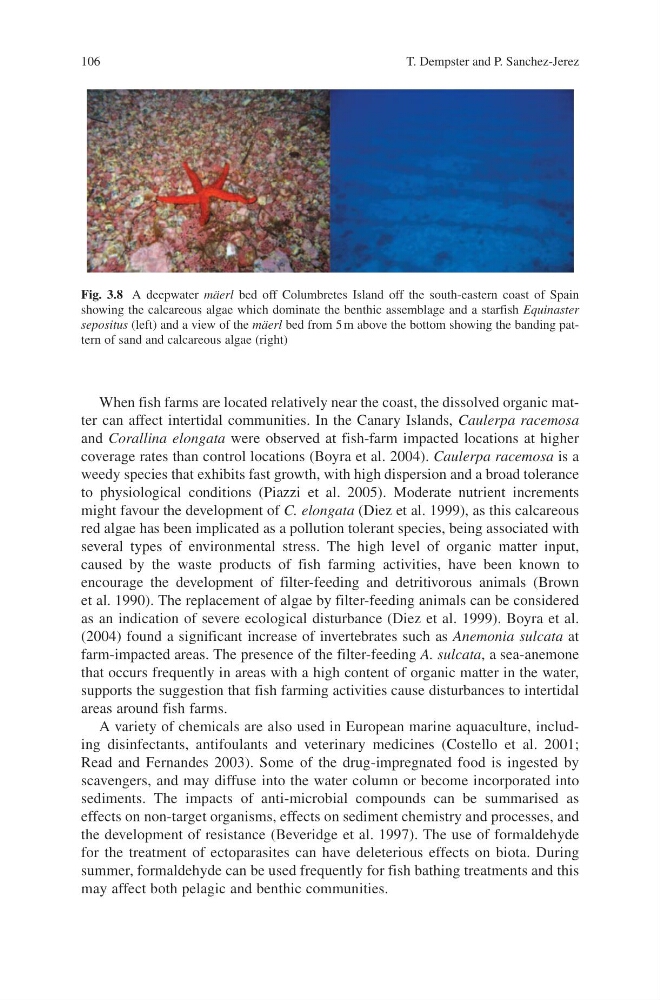
Fig. 3.8 A deepwater mäerl bed off Columbretes Island off the south-eastern coast of Spain
showing the calcareous algae which dominate the benthic assemblage and a starfish Equinaster
sepositus (left) and a view of the mäerl bed from 5 m above the bottom showing the banding pattern of sand and calcareous algae (right)
T. Dempster and P. Sanchez-Jerez
When fish farms are located relatively near the coast, the dissolved organic matter can affect intertidal communities. In the Canary Islands, Caulerpa racemosa
and Corallina elongata were observed at fish-farm impacted locations at higher
coverage rates than control locations (Boyra et al. 2004). Caulerpa racemosa is a
weedy species that exhibits fast growth, with high dispersion and a broad tolerance
to physiological conditions (Piazzi et al. 2005). Moderate nutrient increments
might favour the development of C. elongata (Diez et al. 1999), as this calcareous
red algae has been implicated as a pollution tolerant species, being associated with
several types of environmental stress. The high level of organic matter input,
caused by the waste products of fish farming activities, have been known to
encourage the development of filter-feeding and detritivorous animals (Brown
et al. 1990). The replacement of algae by filter-feeding animals can be considered
as an indication of severe ecological disturbance (Diez et al. 1999). Boyra et al.
(2004) found a significant increase of invertebrates such as Anemonia sulcata at
farm-impacted areas. The presence of the filter-feeding A. sulcata, a sea-anemone
that occurs frequently in areas with a high content of organic matter in the water,
supports the suggestion that fish farming activities cause disturbances to intertidal
areas around fish farms.
A variety of chemicals are also used in European marine aquaculture, including disinfectants, antifoulants and veterinary medicines (Costello et al. 2001;
Read and Fernandes 2003). Some of the drug-impregnated food is ingested by
scavengers, and may diffuse into the water column or become incorporated into
sediments. The impacts of anti-microbial compounds can be summarised as
effects on non-target organisms, effects on sediment chemistry and processes, and
the development of resistance (Beveridge et al. 1997). The use of formaldehyde
for the treatment of ectoparasites can have deleterious effects on biota. During
summer, formaldehyde can be used frequently for fish bathing treatments and this
may affect both pelagic and benthic communities.
Fig. 3.8 A deepwater mäerl bed off Columbretes Island off the south-eastern coast of Spain
showing the calcareous algae which dominate the benthic assemblage and a starfish Equinaster
sepositus (left) and a view of the mäerl bed from 5 m above the bottom showing the banding pattern of sand and calcareous algae (right)