

124
J. Nabhitabhata and S. Segawa
pH of 6.0–8.0 (Nabhitabhata et al. 1991a, 2005). The salinity range to obtain a 50 %
hatching rate of eggs is 22–38 psu (Nabhitabhata et al. 1991b, 1993a, 2001).
The length of the embryonic period depends on both biotic and abiotic factors,
but particularly on temperature. The average embryonic period is 14 days (9–25)
for the cuttlefish S� pharaonis (Anil et al. 2005; Nabhitabhata 1978b, Nabhitabhata
and Nilaphat 1999) and 20 days (17–23) for the squid, S� lessoniana (Nabhitabhata
1978a, 1995, 1996; Nabhitabhata and Kbinrum 1981) each at about 28°C. The embryonic period can be shortened at a higher temperature and extended at a lower
one. The hatching period, from the hatching of the first egg to the hatching of the
last eggs of the same cluster from the same spawning, is 3–10 days. Most of the
hatching, i.e. more than 50 %, occurs at night on the second and third day from
the first hatching. The hatching rate is more than 90 % (Nabhitabhata and Nilaphat
1999) under the above-mentioned management conditions.
Other important physical factors are turbidity or suspended solids and light. Turbidity should be maintained as low as possible (Nabhitabhata 1995) through filtration and/or prior sedimentation, particularly in open systems. Cephalopods have
a high metabolic rate and their gills have a low efficiency for removing sediment.
High levels of suspended solids or high turbidity are critical, since it can easily
reduce or block oxygen exchange. Any unnatural or artificial lighting as well as unnatural daily light–dark periods should be avoided. The growth of algae and fungi
on the surface of the egg capsule is due to excess light and this reduces the hatching
rate by blocking the oxygen supply. The attachment of algae also initiates fungal
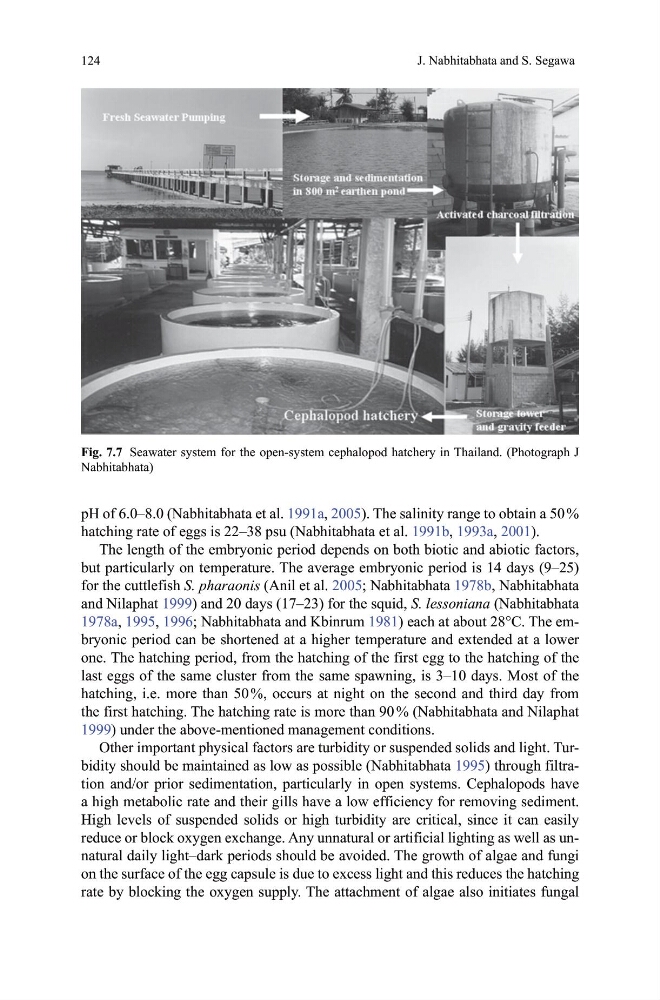
Fig. 7.7 Seawater system for the open-system cephalopod hatchery in Thailand. (Photograph J
Nabhitabhata)
J. Nabhitabhata and S. Segawa
pH of 6.0–8.0 (Nabhitabhata et al. 1991a, 2005). The salinity range to obtain a 50 %
hatching rate of eggs is 22–38 psu (Nabhitabhata et al. 1991b, 1993a, 2001).
The length of the embryonic period depends on both biotic and abiotic factors,
but particularly on temperature. The average embryonic period is 14 days (9–25)
for the cuttlefish S� pharaonis (Anil et al. 2005; Nabhitabhata 1978b, Nabhitabhata
and Nilaphat 1999) and 20 days (17–23) for the squid, S� lessoniana (Nabhitabhata
1978a, 1995, 1996; Nabhitabhata and Kbinrum 1981) each at about 28°C. The embryonic period can be shortened at a higher temperature and extended at a lower
one. The hatching period, from the hatching of the first egg to the hatching of the
last eggs of the same cluster from the same spawning, is 3–10 days. Most of the
hatching, i.e. more than 50 %, occurs at night on the second and third day from
the first hatching. The hatching rate is more than 90 % (Nabhitabhata and Nilaphat
1999) under the above-mentioned management conditions.
Other important physical factors are turbidity or suspended solids and light. Turbidity should be maintained as low as possible (Nabhitabhata 1995) through filtration and/or prior sedimentation, particularly in open systems. Cephalopods have
a high metabolic rate and their gills have a low efficiency for removing sediment.
High levels of suspended solids or high turbidity are critical, since it can easily
reduce or block oxygen exchange. Any unnatural or artificial lighting as well as unnatural daily light–dark periods should be avoided. The growth of algae and fungi
on the surface of the egg capsule is due to excess light and this reduces the hatching
rate by blocking the oxygen supply. The attachment of algae also initiates fungal
Fig. 7.7 Seawater system for the open-system cephalopod hatchery in Thailand. (Photograph J
Nabhitabhata)