

The biology in biological treatment plants
Experiences with infection at treatment plants show that it is the direct contact
which is dangerous as bacteria, viruses, and parasites in particular, can penetrate
sores in the skin or be assimilated in the body if we actually drink the wastewater
or inhale aerosols /37/. In earlier days it was popular for mayors to drink the
treated wastewater at the inauguration of a treatment plant. They don't do that any
longer. Even treated wastewater contains large amounts of pathogenic micro-organisms.
Diseases caused by airborne infection from treatment plants are rare.
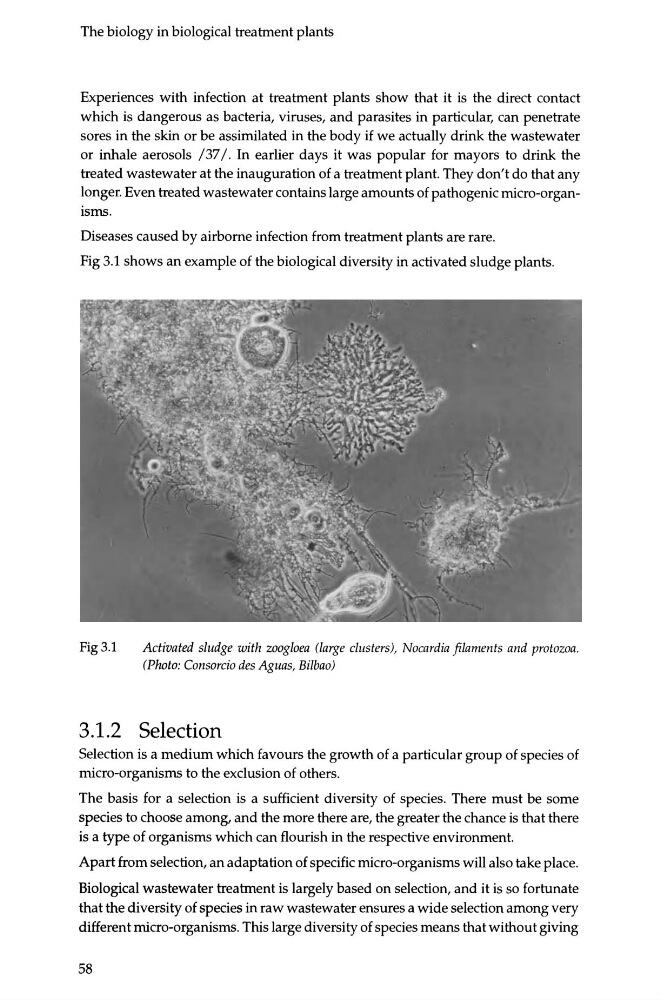
Fig 3.1 shows an example of the biological diversity in activated sludge plants.
Fig 3.1
Activated sludge with zoogloea (large clusters), Nocardia filaments and protozoa.
(Photo: Consorcio des Aguas, Bilbao)
3.1.2 Selection
Selection is a medium which favours the growth of a particular group of species of
micro-organisms to the exclusion of others.
The basis for a selection is a sufficient diversity of species. There must be some
species to choose among, and the more there are, the greater the chance is that there
is a type of organisms which can flourish in the respective environment.
Apart from selection, an adaptation of specific micro-organisms will also take place.
Biological wastewater treatment is largely based on selection, and it is so fortunate
that the diversity of species in raw wastewater ensures a wide selection among very
different micro-organisms. This large diversity of species means that without giving
58
Experiences with infection at treatment plants show that it is the direct contact
which is dangerous as bacteria, viruses, and parasites in particular, can penetrate
sores in the skin or be assimilated in the body if we actually drink the wastewater
or inhale aerosols /37/. In earlier days it was popular for mayors to drink the
treated wastewater at the inauguration of a treatment plant. They don't do that any
longer. Even treated wastewater contains large amounts of pathogenic micro-organisms.
Diseases caused by airborne infection from treatment plants are rare.
Fig 3.1 shows an example of the biological diversity in activated sludge plants.
Fig 3.1
Activated sludge with zoogloea (large clusters), Nocardia filaments and protozoa.
(Photo: Consorcio des Aguas, Bilbao)
3.1.2 Selection
Selection is a medium which favours the growth of a particular group of species of
micro-organisms to the exclusion of others.
The basis for a selection is a sufficient diversity of species. There must be some
species to choose among, and the more there are, the greater the chance is that there
is a type of organisms which can flourish in the respective environment.
Apart from selection, an adaptation of specific micro-organisms will also take place.
Biological wastewater treatment is largely based on selection, and it is so fortunate
that the diversity of species in raw wastewater ensures a wide selection among very
different micro-organisms. This large diversity of species means that without giving
58