

80
(Paxton et al. 2011). Subsequent research, however, indicated that tamarisk does not
transpire nearly as much water as originally estimated and songbirds and other wildlife can successfully use tamarisk as habitat (Shafroth et al. 2005). This subsequent
research calls into question the costs and environmental side effects of efforts to
locally eradicate tamarisk.
Commercial extinction of species results from overharvest. Beaver are the prime
example, as discussed above, but overharvest of invertebrates and fish can also
significantly alter river corridors. North American examples include native unionid
mussels and buffalo fish (Ictiobus spp.) in the Upper Mississippi River drainage.
Unionid mussels occur worldwide, but are particularly abundant and diverse in
North America. These bottom-dwelling invertebrates process organic matter and
mix streambed sediments in fine-grained channel substrates. Where large concentrations of mussels create mussel beds, their shells provide a firm substrate for other
organisms such as insect eggs and larvae and fish eggs (Beckett et al. 1996; Morales
et al. 2006). Mussels were commercially harvested from the late nineteenth century
to the early twentieth century from the Upper Mississippi River basin for freshwater
pearls and to cut disks from their shells for buttons (Blodgett et al. 1998). Harvest
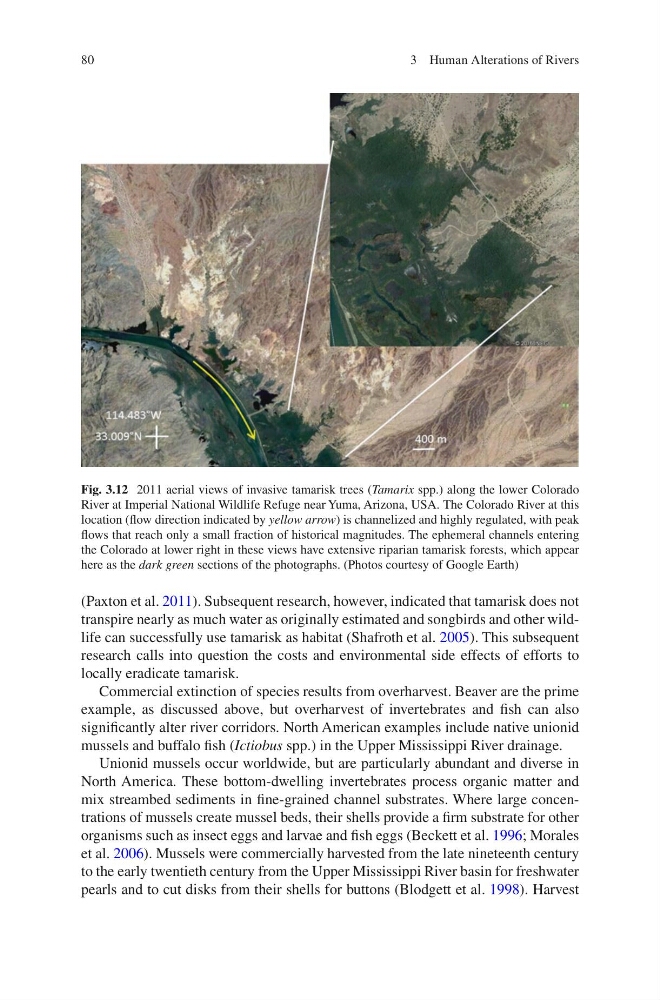
Fig. 3.12 2011 aerial views of invasive tamarisk trees (Tamarix spp.) along the lower Colorado
River at Imperial National Wildlife Refuge near Yuma, Arizona, USA. The Colorado River at this
location (flow direction indicated by yellow arrow) is channelized and highly regulated, with peak
flows that reach only a small fraction of historical magnitudes. The ephemeral channels entering
the Colorado at lower right in these views have extensive riparian tamarisk forests, which appear
here as the dark green sections of the photographs. (Photos courtesy of Google Earth)
3 Human Alterations of Rivers
(Paxton et al. 2011). Subsequent research, however, indicated that tamarisk does not
transpire nearly as much water as originally estimated and songbirds and other wildlife can successfully use tamarisk as habitat (Shafroth et al. 2005). This subsequent
research calls into question the costs and environmental side effects of efforts to
locally eradicate tamarisk.
Commercial extinction of species results from overharvest. Beaver are the prime
example, as discussed above, but overharvest of invertebrates and fish can also
significantly alter river corridors. North American examples include native unionid
mussels and buffalo fish (Ictiobus spp.) in the Upper Mississippi River drainage.
Unionid mussels occur worldwide, but are particularly abundant and diverse in
North America. These bottom-dwelling invertebrates process organic matter and
mix streambed sediments in fine-grained channel substrates. Where large concentrations of mussels create mussel beds, their shells provide a firm substrate for other
organisms such as insect eggs and larvae and fish eggs (Beckett et al. 1996; Morales
et al. 2006). Mussels were commercially harvested from the late nineteenth century
to the early twentieth century from the Upper Mississippi River basin for freshwater
pearls and to cut disks from their shells for buttons (Blodgett et al. 1998). Harvest
Fig. 3.12 2011 aerial views of invasive tamarisk trees (Tamarix spp.) along the lower Colorado
River at Imperial National Wildlife Refuge near Yuma, Arizona, USA. The Colorado River at this
location (flow direction indicated by yellow arrow) is channelized and highly regulated, with peak
flows that reach only a small fraction of historical magnitudes. The ephemeral channels entering
the Colorado at lower right in these views have extensive riparian tamarisk forests, which appear
here as the dark green sections of the photographs. (Photos courtesy of Google Earth)
3 Human Alterations of Rivers