

70
large wood from major rivers between 1867 and 1912 (Harmon et al. 1986; Wohl
2014). Physical and ecological effects of the lack of large wood persist (Collins
et al. 2002), but contemporary societies may not be aware that large wood quantities
of wood were once present and were removed.
The net effect of channel engineering is to concentrate flow in a channel that
more efficiently conveys water downstream. This equates to reductions in channel
complexity, habitat abundance and diversity, retention, lateral and vertical connectivity, and channel stability, all of which lead to reduced biomass and biodiversity of
aquatic and riparian organisms (Ward 1998; Habersack and Piégay 2008). Channel
engineering has been so widespread and intensive that the multibillion dollar river
restoration industry now present in Europe and North America is largely designed
to mitigate the many negative effects of channelization, as discussed in Chap. 4.
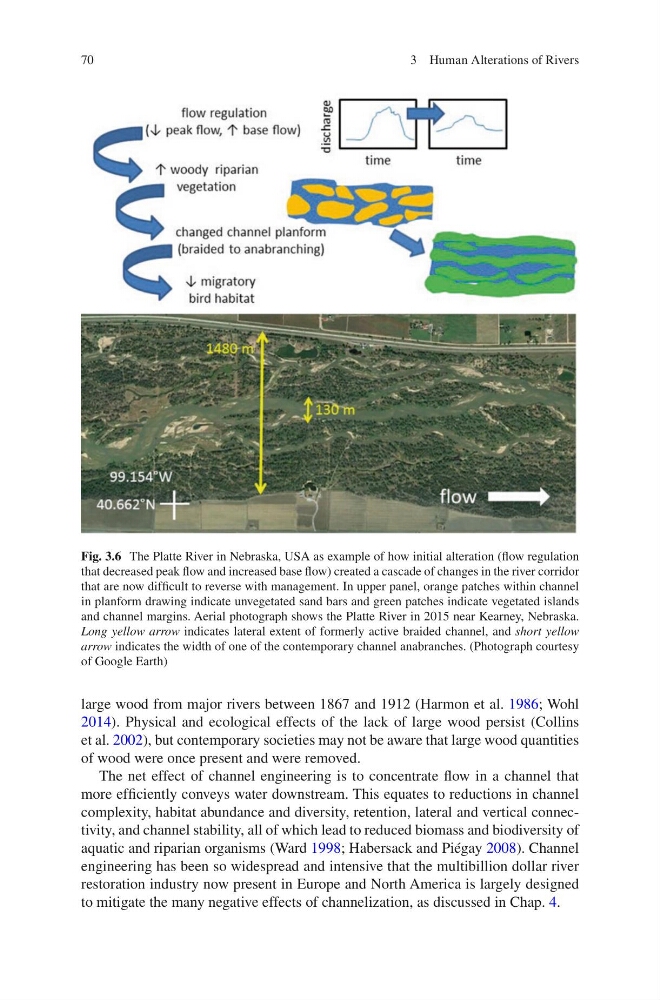
Fig. 3.6 The Platte River in Nebraska, USA as example of how initial alteration (flow regulation
that decreased peak flow and increased base flow) created a cascade of changes in the river corridor
that are now difficult to reverse with management. In upper panel, orange patches within channel
in planform drawing indicate unvegetated sand bars and green patches indicate vegetated islands
and channel margins. Aerial photograph shows the Platte River in 2015 near Kearney, Nebraska.
Long yellow arrow indicates lateral extent of formerly active braided channel, and short yellow
arrow indicates the width of one of the contemporary channel anabranches. (Photograph courtesy
of Google Earth)
3 Human Alterations of Rivers
large wood from major rivers between 1867 and 1912 (Harmon et al. 1986; Wohl
2014). Physical and ecological effects of the lack of large wood persist (Collins
et al. 2002), but contemporary societies may not be aware that large wood quantities
of wood were once present and were removed.
The net effect of channel engineering is to concentrate flow in a channel that
more efficiently conveys water downstream. This equates to reductions in channel
complexity, habitat abundance and diversity, retention, lateral and vertical connectivity, and channel stability, all of which lead to reduced biomass and biodiversity of
aquatic and riparian organisms (Ward 1998; Habersack and Piégay 2008). Channel
engineering has been so widespread and intensive that the multibillion dollar river
restoration industry now present in Europe and North America is largely designed
to mitigate the many negative effects of channelization, as discussed in Chap. 4.
Fig. 3.6 The Platte River in Nebraska, USA as example of how initial alteration (flow regulation
that decreased peak flow and increased base flow) created a cascade of changes in the river corridor
that are now difficult to reverse with management. In upper panel, orange patches within channel
in planform drawing indicate unvegetated sand bars and green patches indicate vegetated islands
and channel margins. Aerial photograph shows the Platte River in 2015 near Kearney, Nebraska.
Long yellow arrow indicates lateral extent of formerly active braided channel, and short yellow
arrow indicates the width of one of the contemporary channel anabranches. (Photograph courtesy
of Google Earth)
3 Human Alterations of Rivers