

67
corridors as a result of increased impervious area, and an increase in the speed
with which precipitation inputs reach the river corridor as a result of enhanced
overland flow and concentration in storm drains (DeWalle et al. 2000; Ogden et al.
2011). Increased impervious area commonly also results in decreased sediment
yields. Reduction in woody vegetation or active removal of large wood results in
reduced large wood yields. Household and industrial uses of nitrogen and phosphorus substantially increase nutrient yields to river corridors, as well as yields of
an extremely broad array of synthetic chemicals, heavy metals, pathogens, and
other toxic materials (Pitt et al. 1995; Mallin et al. 2008). The net effects of urbanization on the river ecosystem partly depend on what proportion of the drainage
basin is urbanized.
Urbanization can also directly affect a river ecosystem if the river corridor
passes through the urban area. In this case, alterations such as channel engineering,
stream burial, storm drains, and storm sewers can enhance longitudinal connectivity of water, but limit or sever longitudinal connectivity for aquatic organisms
(Blakely et al. 2006).
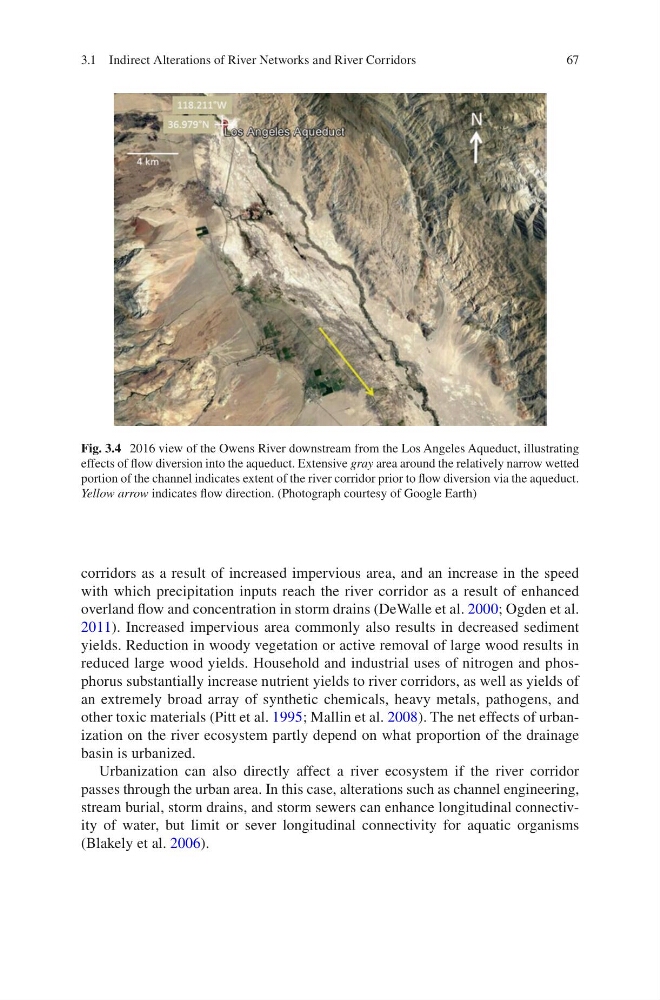
Fig. 3.4 2016 view of the Owens River downstream from the Los Angeles Aqueduct, illustrating
effects of flow diversion into the aqueduct. Extensive gray area around the relatively narrow wetted
portion of the channel indicates extent of the river corridor prior to flow diversion via the aqueduct.
Yellow arrow indicates flow direction. (Photograph courtesy of Google Earth)
3.1 Indirect Alterations of River Networks and River Corridors
corridors as a result of increased impervious area, and an increase in the speed
with which precipitation inputs reach the river corridor as a result of enhanced
overland flow and concentration in storm drains (DeWalle et al. 2000; Ogden et al.
2011). Increased impervious area commonly also results in decreased sediment
yields. Reduction in woody vegetation or active removal of large wood results in
reduced large wood yields. Household and industrial uses of nitrogen and phosphorus substantially increase nutrient yields to river corridors, as well as yields of
an extremely broad array of synthetic chemicals, heavy metals, pathogens, and
other toxic materials (Pitt et al. 1995; Mallin et al. 2008). The net effects of urbanization on the river ecosystem partly depend on what proportion of the drainage
basin is urbanized.
Urbanization can also directly affect a river ecosystem if the river corridor
passes through the urban area. In this case, alterations such as channel engineering,
stream burial, storm drains, and storm sewers can enhance longitudinal connectivity of water, but limit or sever longitudinal connectivity for aquatic organisms
(Blakely et al. 2006).
Fig. 3.4 2016 view of the Owens River downstream from the Los Angeles Aqueduct, illustrating
effects of flow diversion into the aqueduct. Extensive gray area around the relatively narrow wetted
portion of the channel indicates extent of the river corridor prior to flow diversion via the aqueduct.
Yellow arrow indicates flow direction. (Photograph courtesy of Google Earth)
3.1 Indirect Alterations of River Networks and River Corridors