

65
3.1.2 Changes in Upland Topography
Changes in upland topography can occur under any form of land use, such as agricultural terracing for crops, but the most substantial changes are likely to occur in
connection with mining and construction of transportation corridors. Mining
includes underground removal of material, open-pit mines, and mountaintop
removal. The primary physical effect on river networks of underground mining is an
increase in sediment yield from tailings piles (Macklin et al. 2003). Chemical effects
include leaching of toxic contaminants into the river corridor (Stoughton and
Marcus 2000; Hren et al. 2001). Open-pit mines can significantly alter hillslope
surface and subsurface flow paths and thus alter water yields, but the most consistent effects are increased sediment yields from erosion of tailings and waste rock,
and chemical contamination (Dudko and Adriano 1995; Schreck 1998). Mountaintop
removal, as practiced in the United States in association with coal mining, completely obliterates large portions of hillslopes and fills adjacent valleys with waste
rock. Consequently, this form of mining substantially alters water, sediment, nutrient, and large wood yields to river corridors (Palmer et al. 2010).
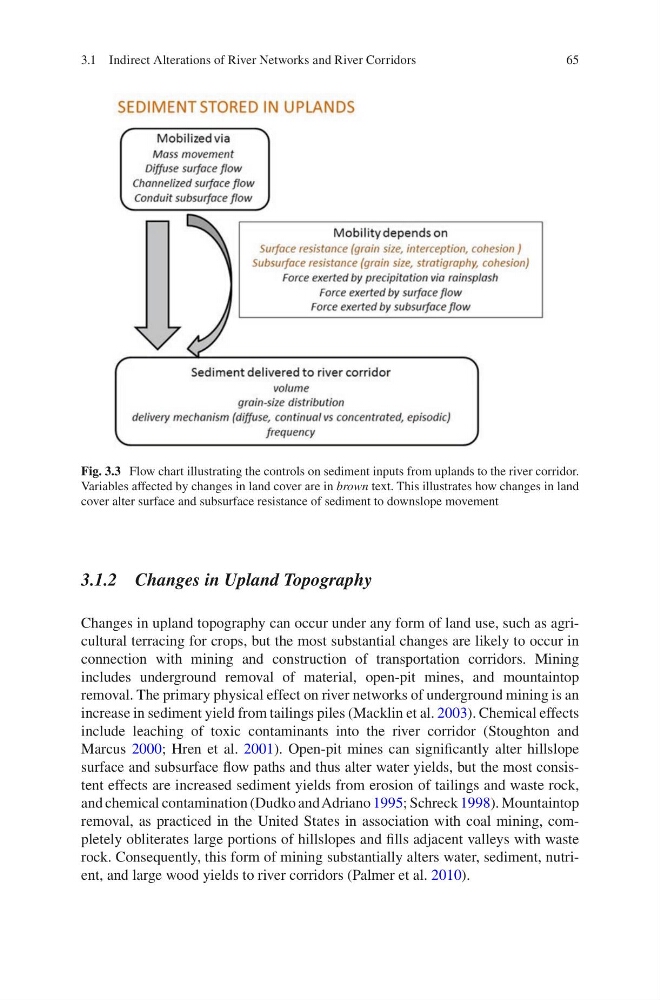
Fig. 3.3 Flow chart illustrating the controls on sediment inputs from uplands to the river corridor.
Variables affected by changes in land cover are in brown text. This illustrates how changes in land
cover alter surface and subsurface resistance of sediment to downslope movement
3.1 Indirect Alterations of River Networks and River Corridors
3.1.2 Changes in Upland Topography
Changes in upland topography can occur under any form of land use, such as agricultural terracing for crops, but the most substantial changes are likely to occur in
connection with mining and construction of transportation corridors. Mining
includes underground removal of material, open-pit mines, and mountaintop
removal. The primary physical effect on river networks of underground mining is an
increase in sediment yield from tailings piles (Macklin et al. 2003). Chemical effects
include leaching of toxic contaminants into the river corridor (Stoughton and
Marcus 2000; Hren et al. 2001). Open-pit mines can significantly alter hillslope
surface and subsurface flow paths and thus alter water yields, but the most consistent effects are increased sediment yields from erosion of tailings and waste rock,
and chemical contamination (Dudko and Adriano 1995; Schreck 1998). Mountaintop
removal, as practiced in the United States in association with coal mining, completely obliterates large portions of hillslopes and fills adjacent valleys with waste
rock. Consequently, this form of mining substantially alters water, sediment, nutrient, and large wood yields to river corridors (Palmer et al. 2010).
Fig. 3.3 Flow chart illustrating the controls on sediment inputs from uplands to the river corridor.
Variables affected by changes in land cover are in brown text. This illustrates how changes in land
cover alter surface and subsurface resistance of sediment to downslope movement
3.1 Indirect Alterations of River Networks and River Corridors