

113
of the natural flow regime paper of Poff et al. (1997). Geomorphologists increasingly emphasize the equal importance of sediment dynamics in maintaining physically complex and connected river ecosystems (Pitlick and Wilcock 2001; Schmidt
and Wilcock 2008; Wohl et al. 2015a), not least because altered flow regimes typically correspond to altered sediment dynamics as a result of changes in sediment
supply and transport capacity. Sediment dynamics in the context of environmental
flows is now increasingly the target of river research and management (Rubin et al.
1998; Wiele et al. 2007; Klösch et al. 2011).
Geomorphologists are now also starting to emphasize the importance of large
wood dynamics in forested regions (Kail et al. 2007) because large wood inputs
interact with water and sediment inputs to strongly influence river process and form
(Gurnell et al. 2005). Large wood also provides an important nutrient source in
channels and floodplains (Pettit and Naiman 2006). The emphasis on large wood is
a much more recent development in river geomorphology, partly because of the
relatively recent appreciation for the enormous historical reductions in wood recruitment to river corridors and wood loads within river corridors (Collins et al. 2002).
Having become accustomed to wood-poor river corridors, river scientists have been
slow to recognize the vital role played by wood in forested river ecosystems.
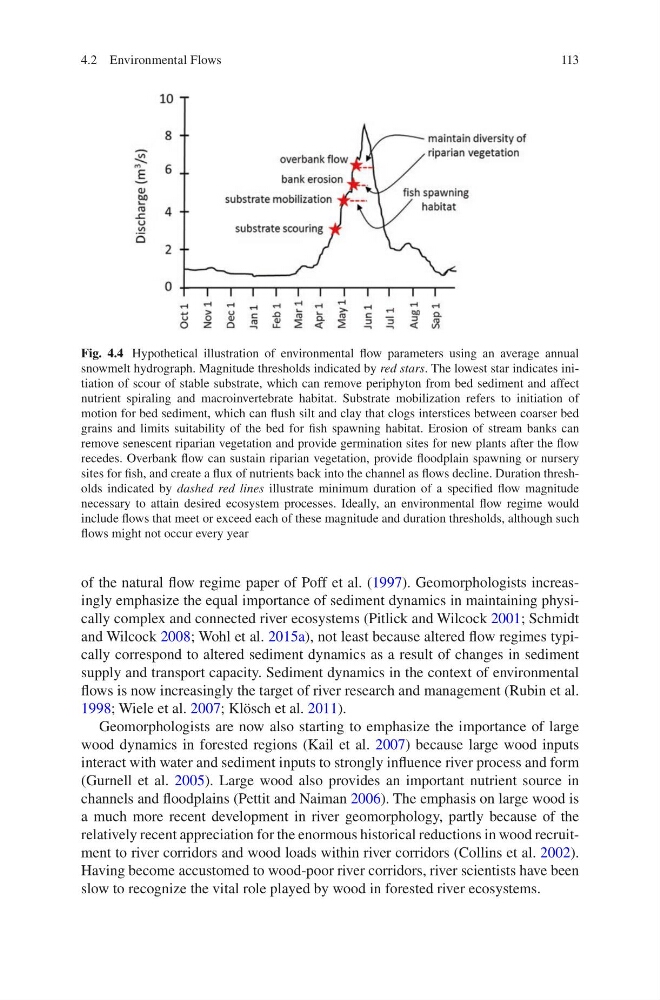
Fig. 4.4 Hypothetical illustration of environmental flow parameters using an average annual
snowmelt hydrograph. Magnitude thresholds indicated by red stars. The lowest star indicates initiation of scour of stable substrate, which can remove periphyton from bed sediment and affect
nutrient spiraling and macroinvertebrate habitat. Substrate mobilization refers to initiation of
motion for bed sediment, which can flush silt and clay that clogs interstices between coarser bed
grains and limits suitability of the bed for fish spawning habitat. Erosion of stream banks can
remove senescent riparian vegetation and provide germination sites for new plants after the flow
recedes. Overbank flow can sustain riparian vegetation, provide floodplain spawning or nursery
sites for fish, and create a flux of nutrients back into the channel as flows decline. Duration thresholds indicated by dashed red lines illustrate minimum duration of a specified flow magnitude
necessary to attain desired ecosystem processes. Ideally, an environmental flow regime would
include flows that meet or exceed each of these magnitude and duration thresholds, although such
flows might not occur every year
4.2 Environmental Flows
of the natural flow regime paper of Poff et al. (1997). Geomorphologists increasingly emphasize the equal importance of sediment dynamics in maintaining physically complex and connected river ecosystems (Pitlick and Wilcock 2001; Schmidt
and Wilcock 2008; Wohl et al. 2015a), not least because altered flow regimes typically correspond to altered sediment dynamics as a result of changes in sediment
supply and transport capacity. Sediment dynamics in the context of environmental
flows is now increasingly the target of river research and management (Rubin et al.
1998; Wiele et al. 2007; Klösch et al. 2011).
Geomorphologists are now also starting to emphasize the importance of large
wood dynamics in forested regions (Kail et al. 2007) because large wood inputs
interact with water and sediment inputs to strongly influence river process and form
(Gurnell et al. 2005). Large wood also provides an important nutrient source in
channels and floodplains (Pettit and Naiman 2006). The emphasis on large wood is
a much more recent development in river geomorphology, partly because of the
relatively recent appreciation for the enormous historical reductions in wood recruitment to river corridors and wood loads within river corridors (Collins et al. 2002).
Having become accustomed to wood-poor river corridors, river scientists have been
slow to recognize the vital role played by wood in forested river ecosystems.
Fig. 4.4 Hypothetical illustration of environmental flow parameters using an average annual
snowmelt hydrograph. Magnitude thresholds indicated by red stars. The lowest star indicates initiation of scour of stable substrate, which can remove periphyton from bed sediment and affect
nutrient spiraling and macroinvertebrate habitat. Substrate mobilization refers to initiation of
motion for bed sediment, which can flush silt and clay that clogs interstices between coarser bed
grains and limits suitability of the bed for fish spawning habitat. Erosion of stream banks can
remove senescent riparian vegetation and provide germination sites for new plants after the flow
recedes. Overbank flow can sustain riparian vegetation, provide floodplain spawning or nursery
sites for fish, and create a flux of nutrients back into the channel as flows decline. Duration thresholds indicated by dashed red lines illustrate minimum duration of a specified flow magnitude
necessary to attain desired ecosystem processes. Ideally, an environmental flow regime would
include flows that meet or exceed each of these magnitude and duration thresholds, although such
flows might not occur every year
4.2 Environmental Flows