

107
2005; Brooks et al. 2006; Lester and Boulton 2008), but restoration is becoming
more common in other regions (e.g., Yaning et al. 2006 for China; Nakamura et al.
2006 for Japan).
Although there is substantial overlap, different restoration approaches are
emphasized in small to medium-sized rivers versus medium-sized to large rivers.
Small, steep rivers can be targets for restoration in mountainous regions with a history of bank stabilization and grade-control structures (Fig. 4.2). Restoration in
these channels may focus on replacing grade-control or check dams with artificial
steps designed using natural materials and morphological characteristics of natural
step-pool sequences (Chin et al. 2009; Comiti et al. 2009).
Small rivers in urban environments, mining regions, or agricultural regions are
also targets for restoration. Infrastructure and private property severely constrain
restoration options in most urban areas. However, enhancement of vegetated infiltration zones, acquisition of at least limited floodplain areas, and replanting of riparian vegetation can create urban amenities, improve water quality, and reduce flood
hazards (Palmer et al. 2014).
Areas impacted by mining can have completely altered topography, large sediment fluxes, reduced capacity for vegetative colonization, and chemical contamination, all of which can limit restoration of biogeochemical and ecological functions
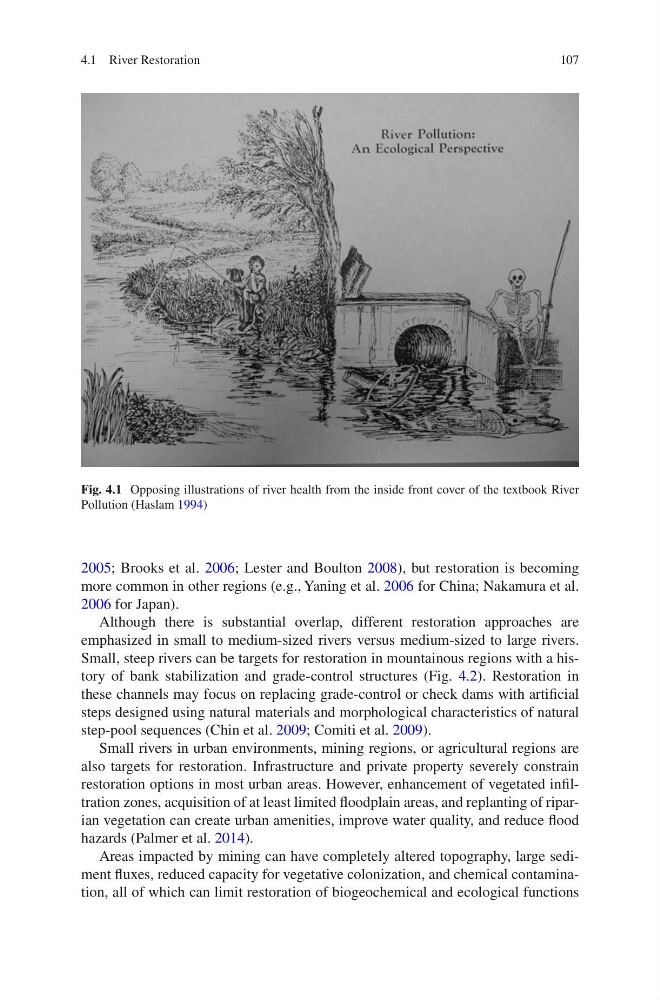
Fig. 4.1 Opposing illustrations of river health from the inside front cover of the textbook River
Pollution (Haslam 1994)
4.1 River Restoration
2005; Brooks et al. 2006; Lester and Boulton 2008), but restoration is becoming
more common in other regions (e.g., Yaning et al. 2006 for China; Nakamura et al.
2006 for Japan).
Although there is substantial overlap, different restoration approaches are
emphasized in small to medium-sized rivers versus medium-sized to large rivers.
Small, steep rivers can be targets for restoration in mountainous regions with a history of bank stabilization and grade-control structures (Fig. 4.2). Restoration in
these channels may focus on replacing grade-control or check dams with artificial
steps designed using natural materials and morphological characteristics of natural
step-pool sequences (Chin et al. 2009; Comiti et al. 2009).
Small rivers in urban environments, mining regions, or agricultural regions are
also targets for restoration. Infrastructure and private property severely constrain
restoration options in most urban areas. However, enhancement of vegetated infiltration zones, acquisition of at least limited floodplain areas, and replanting of riparian vegetation can create urban amenities, improve water quality, and reduce flood
hazards (Palmer et al. 2014).
Areas impacted by mining can have completely altered topography, large sediment fluxes, reduced capacity for vegetative colonization, and chemical contamination, all of which can limit restoration of biogeochemical and ecological functions
Fig. 4.1 Opposing illustrations of river health from the inside front cover of the textbook River
Pollution (Haslam 1994)
4.1 River Restoration