

Greywater Recycling: Field Experience
Ori.kiDe
Cooldn,
• Ill ....
Fresh Water: app. J 50 1/ Person / day
Cl .. nloc
Lou"dry
25 - 40 lit ...
Grey Water
Satb, bower
8odyC ...
30·60 Urm
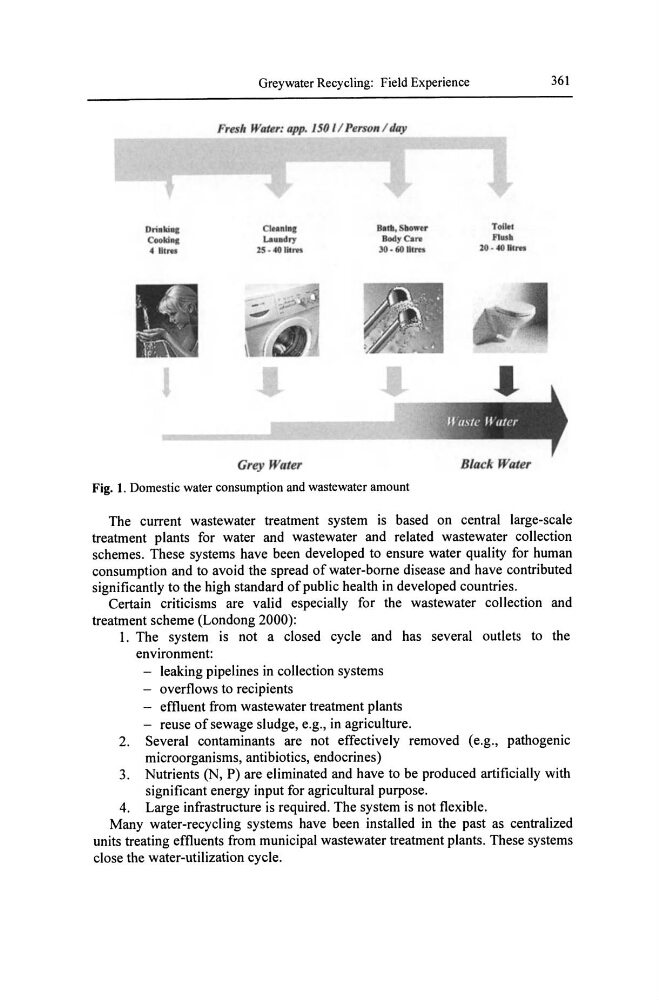
Fig. 1. Domestic water consumption and wastewater amount
TolI.r
.' .. b
20 - 40 Ulns
Block Water
361
The current wastewater treatment system is based on central large-scale
treatment plants for water and wastewater and related wastewater collection
schemes. These systems have been developed to ensure water quality for human
consumption and to avoid the spread of water-borne disease and have contributed
significantly to the high standard of public health in developed countries.
Certain criticisms are valid especially for the wastewater collection and
treatment scheme (Lon dong 2000):
1. The system is not a closed cycle and has several outlets to the
environment:
leaking pipelines in collection systems
overflows to recipients
effluent from wastewater treatment plants
reuse of sewage sludge, e.g., in agriculture.
2. Several contaminants are not effectively removed (e.g., pathogenic
microorganisms, antibiotics, endocrines)
3. Nutrients (N, P) are eliminated and have to be produced artificially with
significant energy input for agricultural purpose.
4. Large infrastructure is required. The system is not flexible.
Many water-recycling systems have been installed in the past as centralized
units treating effluents from municipal wastewater treatment plants. These systems
close the water-utilization cycle.
Ori.kiDe
Cooldn,
• Ill ....
Fresh Water: app. J 50 1/ Person / day
Cl .. nloc
Lou"dry
25 - 40 lit ...
Grey Water
Satb, bower
8odyC ...
30·60 Urm
Fig. 1. Domestic water consumption and wastewater amount
TolI.r
.' .. b
20 - 40 Ulns
Block Water
361
The current wastewater treatment system is based on central large-scale
treatment plants for water and wastewater and related wastewater collection
schemes. These systems have been developed to ensure water quality for human
consumption and to avoid the spread of water-borne disease and have contributed
significantly to the high standard of public health in developed countries.
Certain criticisms are valid especially for the wastewater collection and
treatment scheme (Lon dong 2000):
1. The system is not a closed cycle and has several outlets to the
environment:
leaking pipelines in collection systems
overflows to recipients
effluent from wastewater treatment plants
reuse of sewage sludge, e.g., in agriculture.
2. Several contaminants are not effectively removed (e.g., pathogenic
microorganisms, antibiotics, endocrines)
3. Nutrients (N, P) are eliminated and have to be produced artificially with
significant energy input for agricultural purpose.
4. Large infrastructure is required. The system is not flexible.
Many water-recycling systems have been installed in the past as centralized
units treating effluents from municipal wastewater treatment plants. These systems
close the water-utilization cycle.