

415
approach, dive patterns, time of beginning and end of the sightings, photoidentification
and bioacoustical recordings.
15.2.2.1 Behavioral Observations
Behavioral observations followed a combined Focal Group and Ad libitum methods
(see Mann et al. 2000) registering a sequence of a certain behavior during the
observation time of each group, broadly employed in the cetacean studies. Behavior
and group structure nomenclature and definitions followed extensive previous
works worldwide (Clapham 1996; Clapham and Mead 1999; Clapham 2000) and
locally (Engel 1996; Lunardi et al. 2010).
15.2.2.2 Bioacoustics
Acoustic recordings were made by deploying a hydrophone from a small boat positioned less than 50 m from the singing whale (Fig. 15.9). During this period diverse
recording equipment was utilized, according to the increase of technology available
in Brazil. Therefore, sound data collected from 2005 to 2008 were made using an
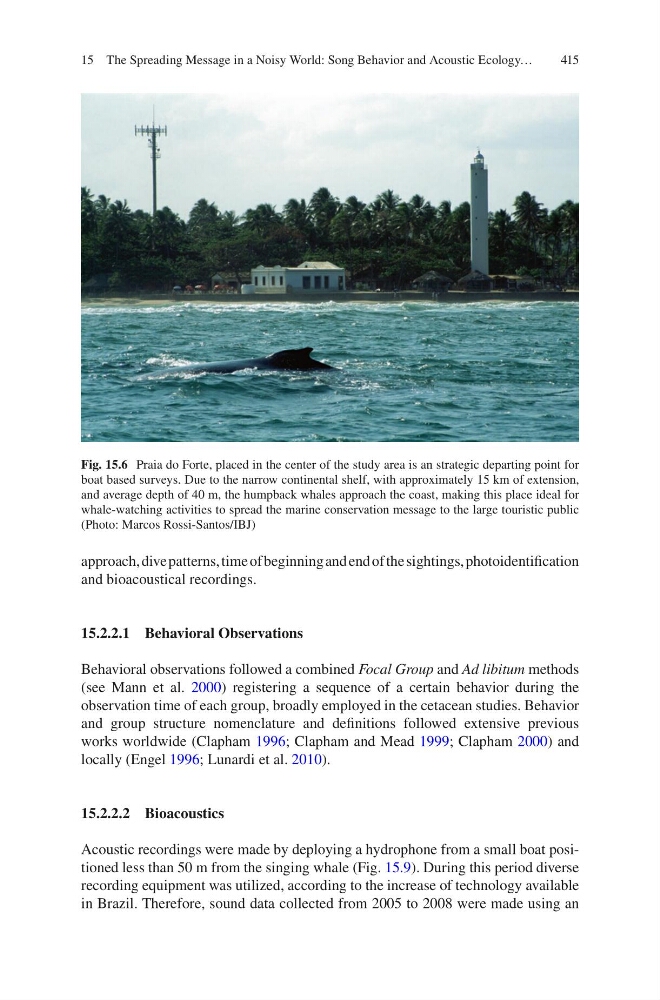
Fig. 15.6 Praia do Forte, placed in the center of the study area is an strategic departing point for
boat based surveys. Due to the narrow continental shelf, with approximately 15 km of extension,
and average depth of 40 m, the humpback whales approach the coast, making this place ideal for
whale-watching activities to spread the marine conservation message to the large touristic public
(Photo: Marcos Rossi-Santos/IBJ)
15 The Spreading Message in a Noisy World: Song Behavior and Acoustic Ecology…
approach, dive patterns, time of beginning and end of the sightings, photoidentification
and bioacoustical recordings.
15.2.2.1 Behavioral Observations
Behavioral observations followed a combined Focal Group and Ad libitum methods
(see Mann et al. 2000) registering a sequence of a certain behavior during the
observation time of each group, broadly employed in the cetacean studies. Behavior
and group structure nomenclature and definitions followed extensive previous
works worldwide (Clapham 1996; Clapham and Mead 1999; Clapham 2000) and
locally (Engel 1996; Lunardi et al. 2010).
15.2.2.2 Bioacoustics
Acoustic recordings were made by deploying a hydrophone from a small boat positioned less than 50 m from the singing whale (Fig. 15.9). During this period diverse
recording equipment was utilized, according to the increase of technology available
in Brazil. Therefore, sound data collected from 2005 to 2008 were made using an
Fig. 15.6 Praia do Forte, placed in the center of the study area is an strategic departing point for
boat based surveys. Due to the narrow continental shelf, with approximately 15 km of extension,
and average depth of 40 m, the humpback whales approach the coast, making this place ideal for
whale-watching activities to spread the marine conservation message to the large touristic public
(Photo: Marcos Rossi-Santos/IBJ)
15 The Spreading Message in a Noisy World: Song Behavior and Acoustic Ecology…