

82
n
Ttthrl'*U
PACIFIC I
lubordc l'aIlom
MontlT ......... ' ...... .
PACIFIC
ATLAHTIC
PNDlAHI
P.A. Hulley
=~======= SA.F
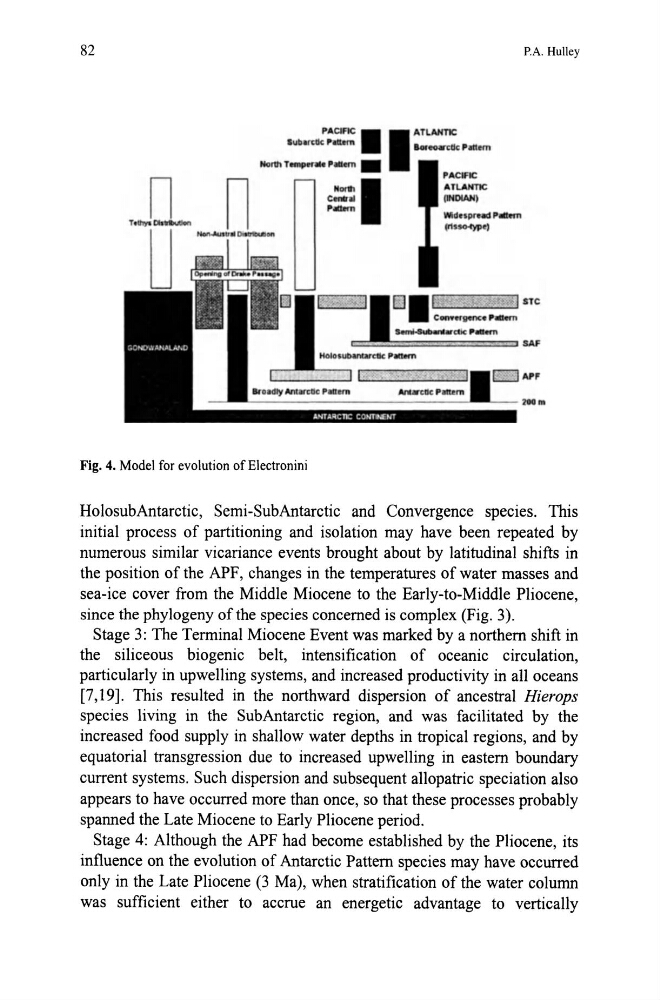
Fig. 4. Model for evolution of Electronini
HolosubAntarctic, Semi-SubAntarctic and Convergence species. This
initial process of partitioning and isolation may have been repeated by
numerous similar vicariance events brought about by latitudinal shifts in
the position of the APF, changes in the temperatures of water masses and
sea-ice cover from the Middle Miocene to the Early-to-Midd1e Pliocene,
since the phylogeny ofthe species concerned is complex (Fig. 3).
Stage 3: The Terminal Miocene Event was marked by a northern shift in
the siliceous biogenic belt, intensification of oceanic circulation,
particularly in upwelling systems, and increased productivity in all oceans
[7,19]. This resulted in the northward dispersion of ancestral Hierops
species living in the SubAntarctic region, and was facilitated by the
increased food supply in shallow water depths in tropical regions, and by
equatorial transgression due to increased upwelling in eastern boundary
current systems. Such dispersion and subsequent allopatric speciation also
appears to have occurred more than once, so that these processes probably
spanned the Late Miocene to Early Pliocene period.
Stage 4: Although the APF had become established by the Pliocene, its
influence on the evolution of Antarctic Pattern species may have occurred
only in the Late Pliocene (3 Ma), when stratification of the water column
was sufficient either to accrue an energetic advantage to vertically
n
Ttthrl'*U
PACIFIC I
lubordc l'aIlom
MontlT ......... ' ...... .
PACIFIC
ATLAHTIC
PNDlAHI
P.A. Hulley
=~======= SA.F
Fig. 4. Model for evolution of Electronini
HolosubAntarctic, Semi-SubAntarctic and Convergence species. This
initial process of partitioning and isolation may have been repeated by
numerous similar vicariance events brought about by latitudinal shifts in
the position of the APF, changes in the temperatures of water masses and
sea-ice cover from the Middle Miocene to the Early-to-Midd1e Pliocene,
since the phylogeny ofthe species concerned is complex (Fig. 3).
Stage 3: The Terminal Miocene Event was marked by a northern shift in
the siliceous biogenic belt, intensification of oceanic circulation,
particularly in upwelling systems, and increased productivity in all oceans
[7,19]. This resulted in the northward dispersion of ancestral Hierops
species living in the SubAntarctic region, and was facilitated by the
increased food supply in shallow water depths in tropical regions, and by
equatorial transgression due to increased upwelling in eastern boundary
current systems. Such dispersion and subsequent allopatric speciation also
appears to have occurred more than once, so that these processes probably
spanned the Late Miocene to Early Pliocene period.
Stage 4: Although the APF had become established by the Pliocene, its
influence on the evolution of Antarctic Pattern species may have occurred
only in the Late Pliocene (3 Ma), when stratification of the water column
was sufficient either to accrue an energetic advantage to vertically